


What's Happening?
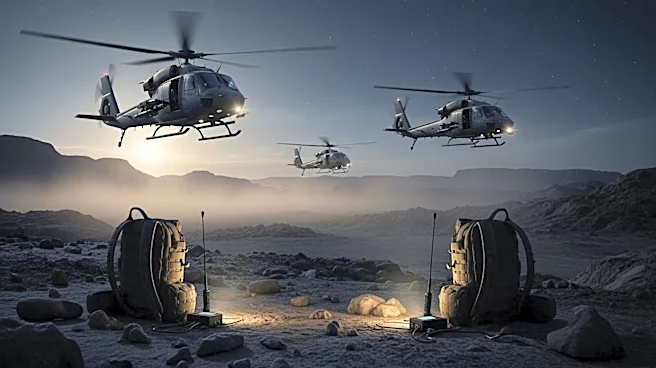
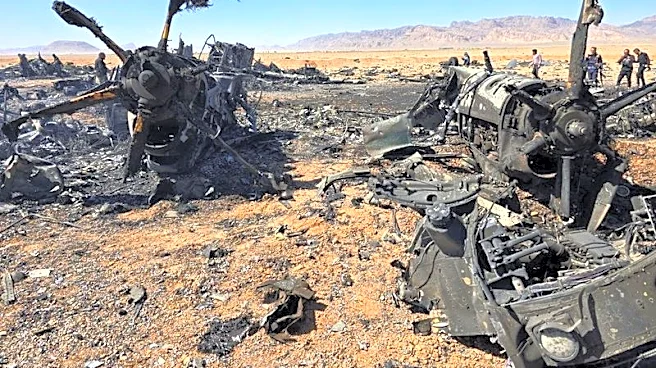
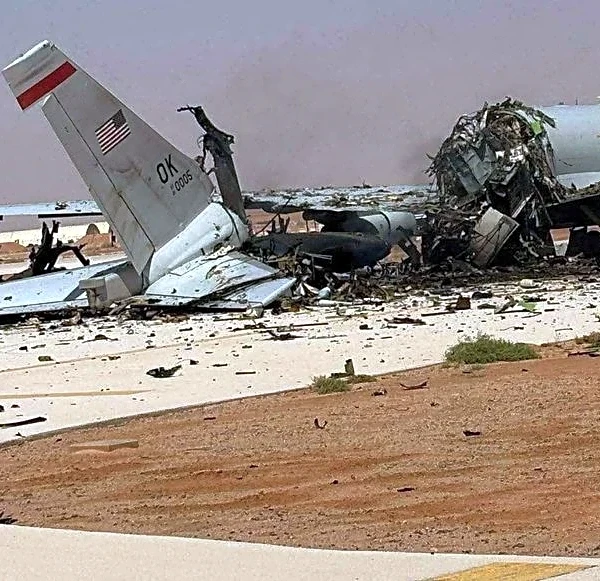
US Ambassador to Israel Mike Huckabee expressed gratitude to Prime Minister Benjamin Netanyahu for Israel's assistance in a rescue operation involving two US Air Force crewmembers. The pilots' plane was shot down in Iran, prompting a 48-hour mission described
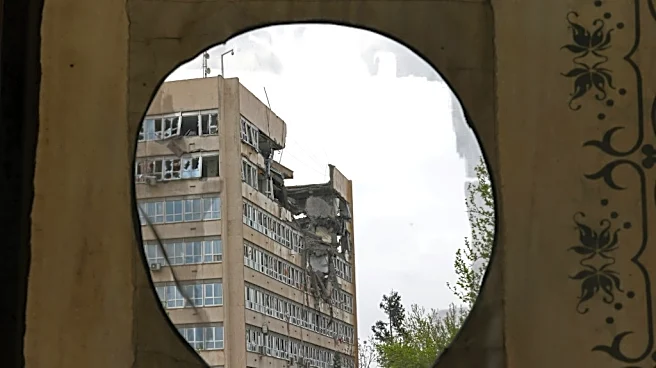
by a senior US official as 'the boldest and most courageous rescue operation in history.' The operation involved significant cooperation between the US Special Forces and Israeli intelligence, including the IDF and Mossad. Israeli forces launched strategic strikes against Iranian targets to divert attention from the crash site, facilitating the safe extraction of the pilots before they could be captured by Iranian forces.
Why It's Important?
The successful rescue operation underscores the strategic military partnership between the United States and Israel, highlighting the importance of international cooperation in high-stakes military operations. This collaboration not only ensured the safety of American personnel but also demonstrated the effectiveness of joint tactical efforts in hostile environments. The operation may strengthen diplomatic ties between the two nations, reinforcing their mutual commitment to security and defense. Additionally, it showcases the capabilities of both countries' military forces in executing complex missions under pressure.
What's Next?
The operation's success may lead to further military collaborations between the US and Israel, potentially involving joint training exercises or intelligence sharing initiatives. Political leaders from both countries might discuss expanding their strategic partnership to address other regional security challenges. The incident could also prompt discussions within the US military about enhancing rescue protocols and strategies for personnel in hostile territories.
Beyond the Headlines
The operation raises ethical and legal questions regarding military interventions in foreign territories, particularly in regions with heightened geopolitical tensions. It may also influence public perception of military operations and international alliances, potentially affecting policy decisions related to defense and foreign relations. The event could lead to increased scrutiny of military tactics and the role of intelligence agencies in international conflicts.