






What's Happening?
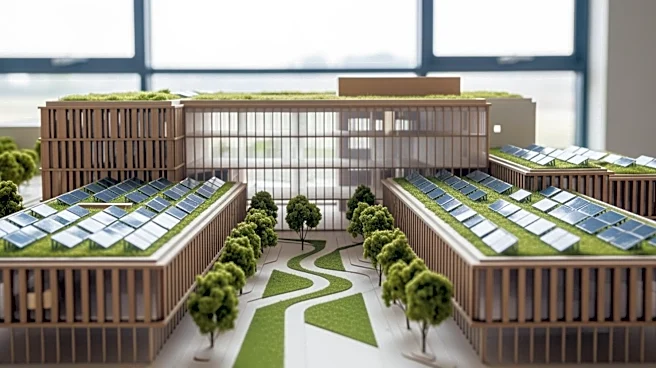
Colleges and universities are increasingly prioritizing sustainability in their campus projects, focusing on long-term carbon-reduction goals. This trend is part of a broader commitment to environmental responsibility, with institutions choosing sustainable
design and materials for construction. The use of mass timber, known for its carbon-saving potential, is becoming more common in academic buildings. This shift is driven by the need to prepare students for a rapidly changing labor market and to address environmental and economic sustainability. The trend also includes early engagement with code authorities and trade partners to achieve performance-based outcomes like energy savings and adaptable layouts.
Why It's Important?
The emphasis on sustainability in higher education projects reflects a growing recognition of the role educational institutions play in combating climate change. By investing in sustainable infrastructure, these institutions not only reduce their carbon footprint but also set an example for students and the community. This approach can lead to significant operational cost savings and enhance the institution's reputation as a leader in sustainability. Moreover, it aligns with the increasing demand from students and stakeholders for environmentally responsible practices, potentially influencing future policies and practices in other sectors.