




What's Happening?
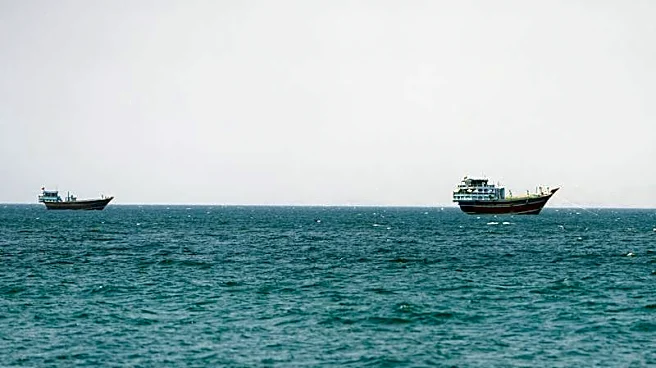
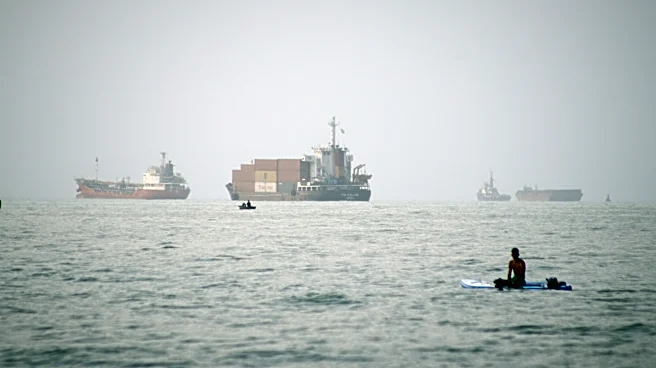
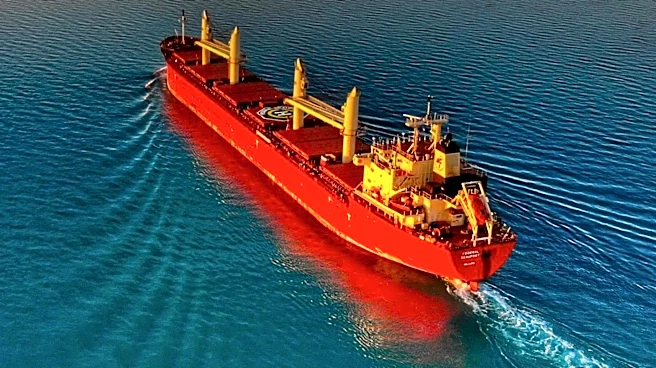
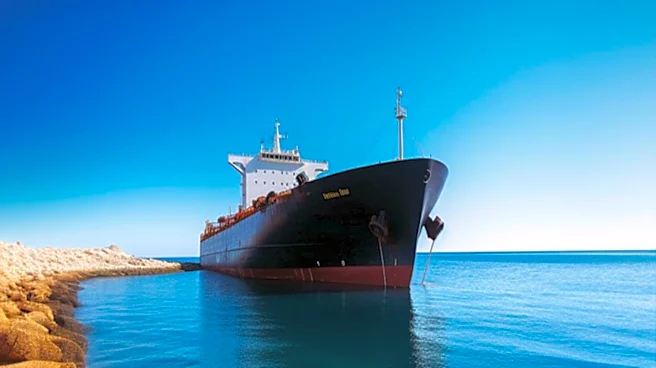
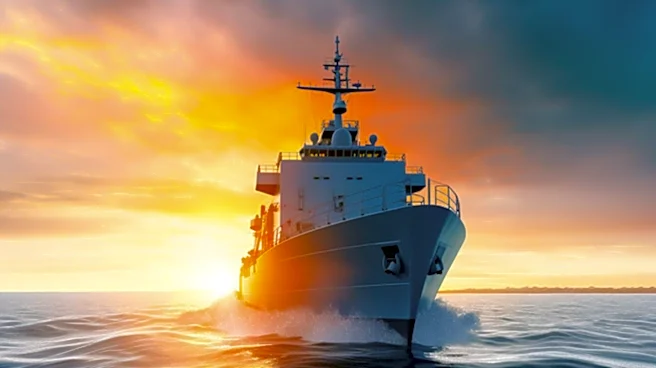
The U.S. military is actively escorting oil and gas shipments through the Strait of Hormuz to ensure the continued flow of energy resources from the Gulf region. This action comes as the region faces ongoing security challenges and geopolitical tensions.
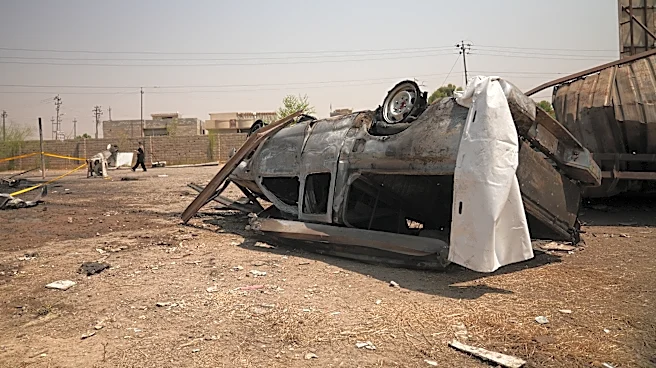
Energy Secretary Chris Wright reported that approximately 6.5 million barrels of oil per day are being transported through the strait with U.S. support. Despite increased shipping traffic, the security situation remains volatile, with recent U.S. strikes on Iran following attacks on American forces. The U.S. aims to stabilize global oil supplies and mitigate the impact of regional conflicts on energy markets.
Why It's Important?
The Strait of Hormuz is a critical chokepoint for global oil supplies, and any disruption in this region can have significant implications for international energy markets. The U.S. military's involvement underscores the strategic importance of maintaining open shipping lanes and ensuring the security of energy exports. This situation highlights the interconnectedness of global energy markets and the potential for geopolitical tensions to impact oil prices and supply chains. The U.S. actions aim to reassure markets and prevent further disruptions, which could lead to increased energy costs and economic instability.
What's Next?
The U.S. will likely continue its military presence in the region to safeguard energy exports and deter potential threats. Ongoing diplomatic efforts may seek to de-escalate tensions and establish more stable conditions for oil transportation. The situation remains fluid, with potential for further developments depending on the actions of regional actors and international responses. The outcome of these efforts will be closely monitored by global energy markets and could influence future U.S. foreign policy and military strategy in the Middle East.