
What's Happening?
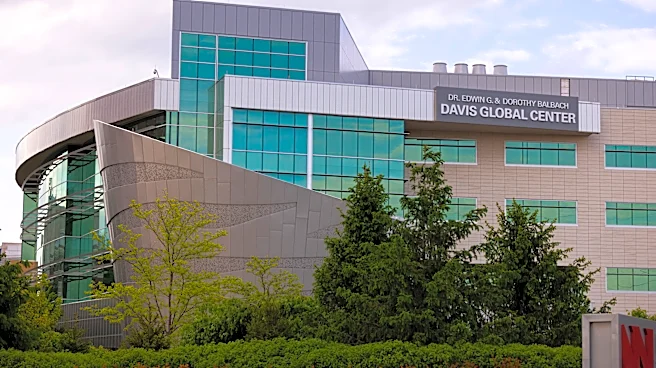
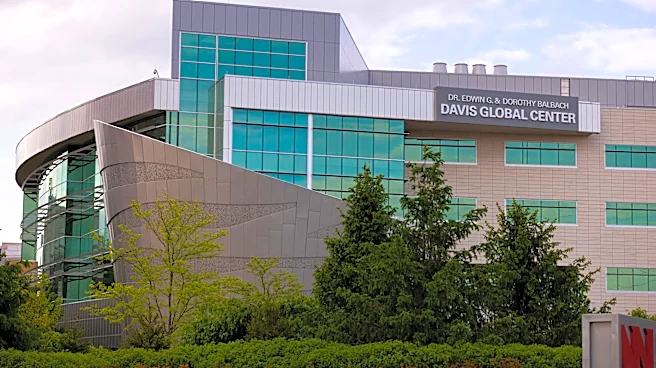
Sixteen American passengers from the Dutch cruise ship MV Hondius are currently quarantined at the University of Nebraska Medical Center (UNMC) in Omaha due to potential exposure to hantavirus. This precautionary
measure follows an outbreak on the ship that resulted in 11 reported cases and three deaths. The UNMC, known for its preparedness in handling high-consequence infectious diseases, is utilizing its National Quarantine Unit to monitor these individuals. The facility, which has a history of managing infectious disease cases such as Ebola and COVID-19, is working with the Centers for Disease Control and Prevention to determine the appropriate duration of quarantine for each passenger. The quarantine could last up to six weeks, depending on individual risk assessments.
Why It's Important?
The quarantine of cruise passengers in Omaha underscores the critical role of specialized medical facilities in managing infectious disease outbreaks. The UNMC's preparedness and infrastructure, developed over decades, highlight the importance of having dedicated units ready to respond to such health emergencies. This situation also emphasizes the need for ongoing vigilance and collaboration between health institutions and public health agencies to prevent the spread of infectious diseases. The handling of this hantavirus exposure could serve as a model for future responses to similar outbreaks, ensuring that both patients and the broader public are protected.
What's Next?
The next steps involve continuous monitoring of the quarantined individuals and collaboration with public health partners to assess the risk and determine the release timeline. The UNMC will conduct thorough evaluations to ensure that any potential spread of the virus is contained. This incident may prompt further research into the hantavirus, particularly the Andes strain involved, to better understand its transmission and develop more effective containment strategies. Additionally, the experience gained from this quarantine could inform future protocols and preparedness plans for handling infectious disease outbreaks.
Beyond the Headlines
The situation at UNMC highlights the broader implications of infectious disease management, including the ethical considerations of quarantine and the balance between individual rights and public health safety. The use of advanced biocontainment facilities and telemedicine reflects the evolving landscape of medical care in response to global health threats. This event also raises awareness about the potential for rare diseases to emerge in unexpected contexts, reinforcing the need for global health surveillance and rapid response capabilities.