


What's Happening?
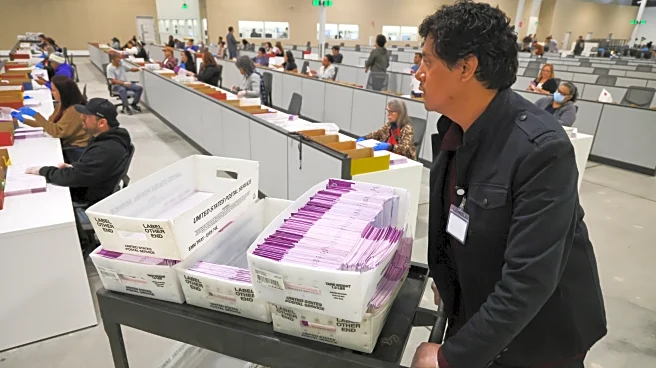
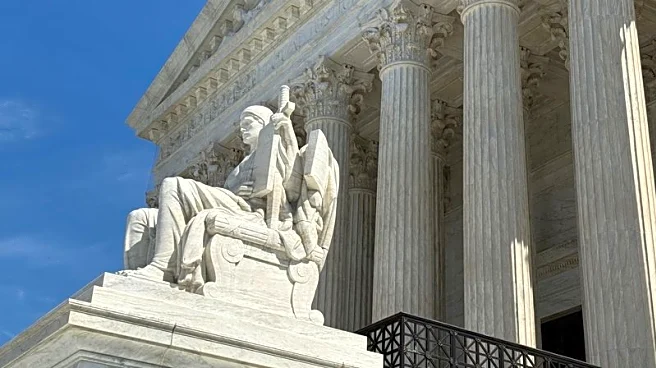
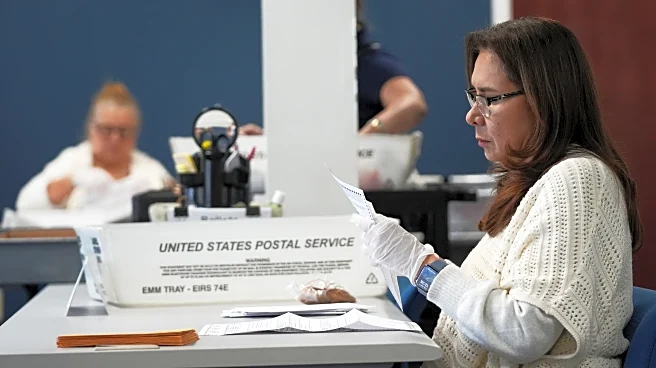
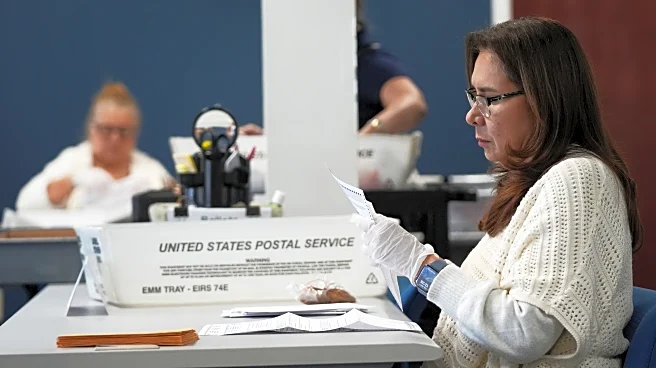
The U.S. Supreme Court is currently deliberating a case that could significantly alter mail voting practices in Illinois and over two dozen other states. The case, initiated by the Republican National Committee, challenges a Mississippi law that permits
ballots cast by Election Day to be counted up to five days afterward. Illinois law is even more lenient, allowing ballots postmarked by Election Day to be counted for two weeks. The core issue revolves around interpretations of the U.S. Constitution, which grants states the authority to manage federal elections but also allows Congress to override these rules. The case has gained attention as President Trump and Republican allies advocate for the SAVE America Act, which aims to impose stricter voting regulations. During the oral arguments, justices expressed differing views on whether Congress has the authority to regulate post-Election Day ballot counting, with some justices questioning the potential for fraud and others emphasizing the historical context of election laws.
Why It's Important?
This case holds significant implications for the future of mail voting in the United States. A decision by the Supreme Court could redefine the balance of power between state and federal authorities in managing elections. If the court rules in favor of the Republican National Committee, it could lead to stricter regulations on mail voting, potentially affecting voter turnout and election outcomes. The case also highlights ongoing debates about election integrity and the role of mail voting, which has become increasingly popular due to the COVID-19 pandemic. The outcome could influence future legislative efforts, such as the SAVE America Act, which seeks to impose additional voting restrictions. This decision could set a precedent for how states handle mail-in ballots and impact the accessibility of voting for millions of Americans.
What's Next?
A ruling in this case is expected by June, which would provide states with time to adjust their voting procedures before the November general election. Depending on the outcome, states may need to revise their election laws to comply with the new federal standards. The decision could also prompt further legislative action at both the state and federal levels, as lawmakers respond to the court's ruling. Political leaders, election officials, and advocacy groups will likely engage in discussions about the implications of the decision and its impact on future elections. The case underscores the ongoing national conversation about voting rights and election security, with potential ramifications for upcoming elections and the broader democratic process.