






What's Happening?
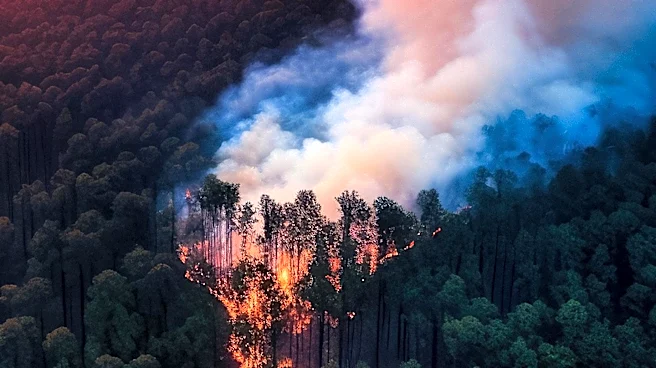
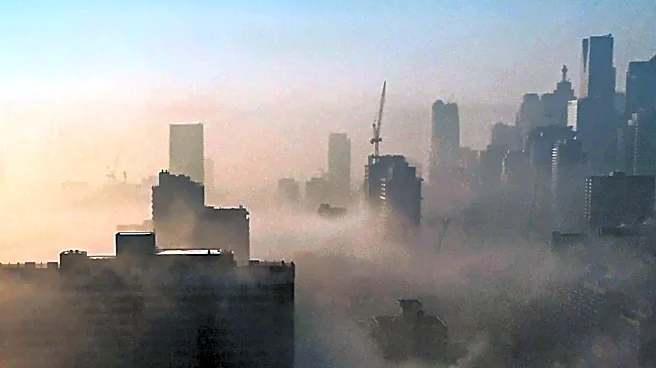
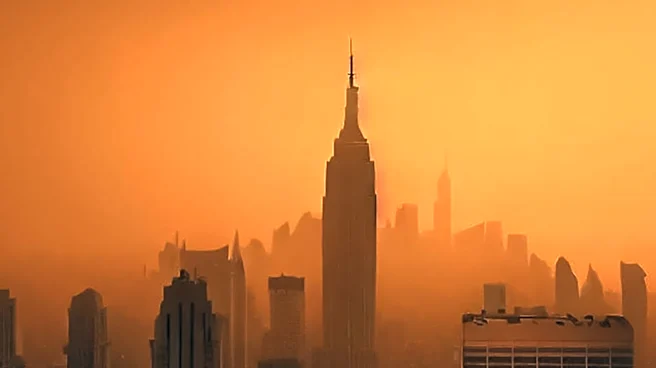
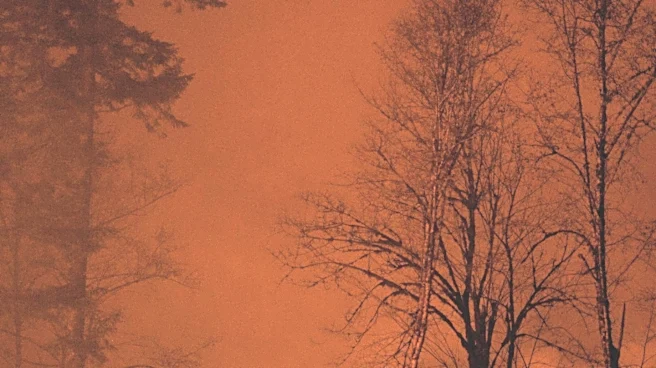
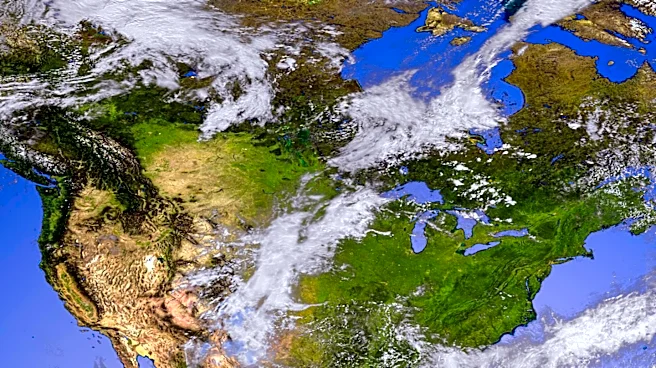
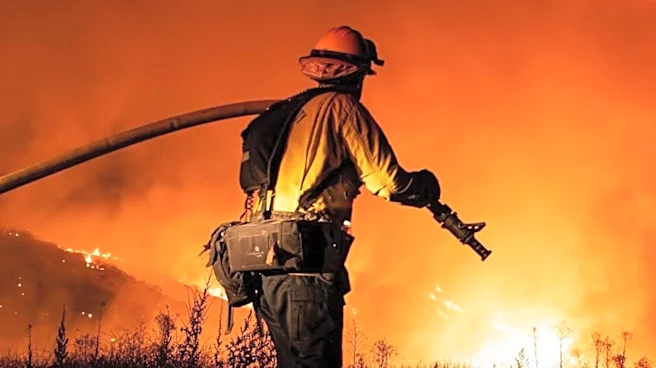
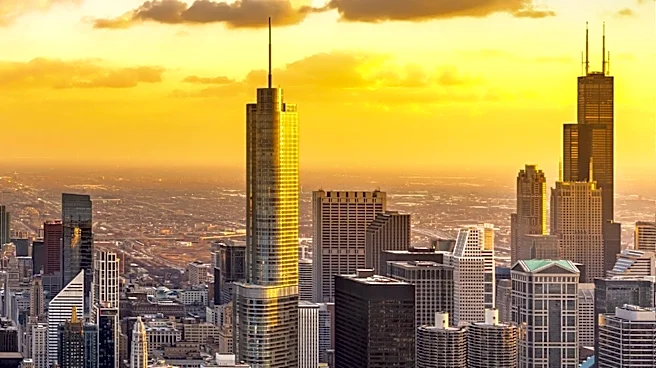
Canada is experiencing an unprecedented number of active wildfires, surpassing the levels seen in the past two years. The fires, primarily in northern Canada, have led to significant smoke dispersion across North America, affecting air quality in major
U.S. cities like New York, Washington, Detroit, and Chicago. The increase in wildfire activity is attributed to rising global temperatures, which have resulted in drier forests and more intense fires. The Canadian government is taking measures to protect communities, including closing forest areas and investing in firefighting resources.
Why It's Important?
The widespread smoke from Canadian wildfires poses serious health risks to millions of people in North America, highlighting the broader implications of climate change. Poor air quality can lead to respiratory issues and other health problems, prompting public health warnings and advisories. The situation underscores the need for coordinated efforts to address climate change and improve emergency response strategies. It also raises questions about resource allocation and the effectiveness of current firefighting and forest management practices.
What's Next?
In response to the ongoing crisis, there are calls for the establishment of a federal agency in Canada dedicated to wildfire management. The Canadian government is considering recommendations for a national response organization and increased funding for firefighting capabilities. As the wildfire season continues, further measures may be implemented to mitigate the impact on affected communities. International cooperation and policy adjustments may also be necessary to address the cross-border effects of such environmental challenges.