

What's Happening?
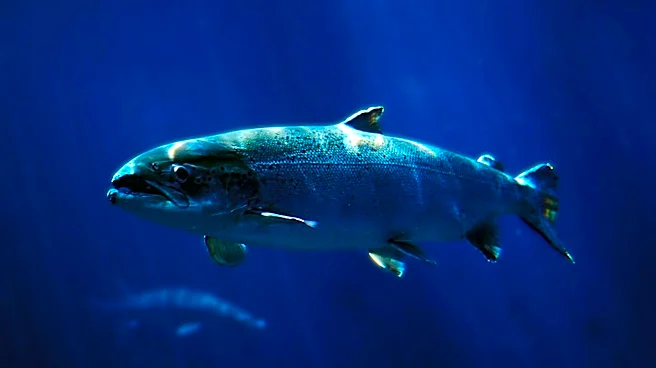
Researchers from Nofima and the Instituto de Acuicultura Torre de la Sal (IATS-CSIC) have identified that Atlantic salmon gills show biological changes in response to climate stress, such as marine heatwaves, reduced oxygen levels, and jellyfish blooms,
even before any visible signs of damage appear. A simulated heatwave, involving a temperature increase from 12 to 17 °C over five days and maintained for ten days, was conducted. During this period, some salmon groups were also exposed to low oxygen or minced moon jellyfish. The study found that higher temperatures significantly altered the bacterial flora on the gills, increasing bacterial diversity and the presence of genera like Streptococcus and Staphylococcus. Furthermore, over 600 genes in the salmon's gills changed their expression, with temperature having the most pronounced effect. Genes related to mucus production became more active, while key components of the innate immune system became less active. This research highlights that gills, crucial for oxygen uptake and pathogen defense, are rapidly affected by changing water conditions.
Why It's Important?
This research is important for the U.S. aquaculture industry, particularly for salmon farming, as it provides critical insights into the early biological responses of fish to climate stressors. Marine heatwaves and other environmental changes are becoming more frequent, posing significant threats to farmed fish health and productivity. Understanding these pre-symptomatic changes allows for the development of proactive strategies to mitigate the impacts of climate change on salmon populations. The findings suggest that current monitoring methods, which often rely on visible signs of disease, may be insufficient to detect early-stage stress. By identifying changes in gill bacteria and gene expression, the industry can potentially implement earlier interventions, such as adjusting farming practices or developing more resilient fish strains, to prevent widespread health issues and economic losses. This knowledge can help safeguard the sustainability and profitability of salmon aquaculture in the face of a changing climate.
What's Next?
The findings provide a foundation for developing new diagnostic tools and management strategies within the aquaculture industry. Future research may focus on translating these biological markers into practical, early detection systems for climate stress in farmed salmon. This could involve developing rapid tests for specific bacterial changes or gene expression patterns in gill samples. Additionally, the insights gained could inform selective breeding programs aimed at enhancing salmon resilience to higher temperatures, lower oxygen levels, and other environmental challenges. Collaboration between research institutions and the aquaculture industry will be crucial to implement these findings effectively. The researchers, including Senior Scientist Elisabeth Ytteborg at Nofima, emphasize the need for continued long-term collaboration to address the broader implications of climate change on both farmed and wild marine stocks, ensuring the development of knowledge necessary to meet these challenges.
Beyond the Headlines
The study's implications extend beyond immediate aquaculture practices, touching upon broader ecological and ethical considerations. The observation that salmon gills prioritize an acute stress response over growth and tissue maintenance under climate stress suggests a fundamental shift in the fish's physiological allocation. This 'microdamage' not visible to the naked eye indicates a chronic state of vulnerability, making fish more susceptible to other stressors. This raises ethical questions about the welfare of farmed fish in increasingly challenging environmental conditions and the need for industry practices to adapt to these subtle, yet significant, biological shifts. Furthermore, the research underscores the interconnectedness of marine ecosystems and the far-reaching consequences of climate change, affecting not only farmed species but also wild populations. The collaboration between Norwegian and Spanish institutes highlights the global nature of these challenges and the importance of international scientific cooperation in developing solutions for marine conservation and sustainable food production.