





What's Happening?
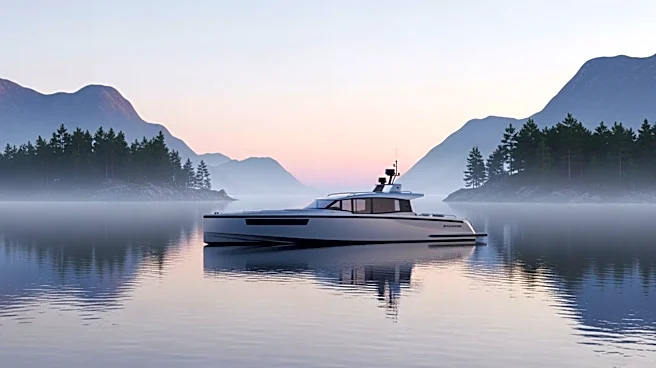
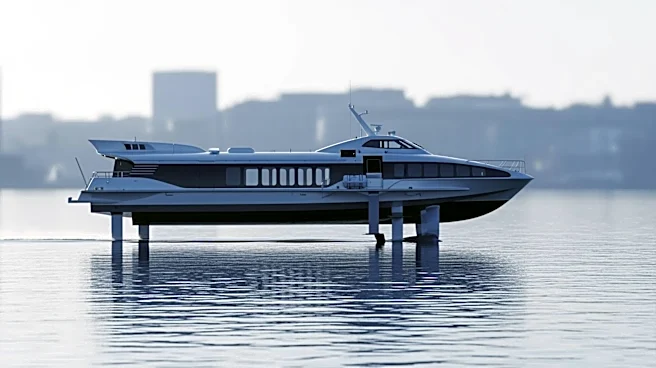
Cityboat, a joint venture between express boat operator Rødne and local tourism firm Viking Adventure, has placed an order for a zero-emission passenger vessel from Hyke. The 15-meter Hyke F-15 Shuttle is set to support tourism and local transport around
Haugesund’s island network in western Norway. Scheduled for delivery in late 2026, the vessel will be constructed by Herde Kompositt in Hardanger, utilizing primarily Norwegian-sourced systems and components. The electric vessel is designed to offer a new class of tourism experience, free from noise, vibrations, and emissions. It features charging flexibility, allowing it to use standard electric vehicle fast chargers and conventional AC connections. The vessel's efficiency enables a full day of operations without recharging, making it a commercially viable solution for niche services.
Why It's Important?
The introduction of the Hyke F-15 Shuttle represents a significant step towards sustainable tourism and transport in Norway. By reducing emissions and operating costs, the vessel aligns with global efforts to combat climate change and promote eco-friendly travel. This development could set a precedent for other regions looking to adopt similar technologies, potentially leading to broader deployment of electric vessels in tourism and short-route passenger markets. The project highlights the growing demand for low-impact tourism experiences, which could drive further innovation and investment in the maritime sector.
What's Next?
As Cityboat prepares for the vessel's delivery, the company is likely to explore additional routes and services that leverage the vessel's capabilities. The success of early operations in Haugesund could lead to the expansion of Hyke ferries in other cities, further promoting sustainable maritime transport. Stakeholders in the tourism and maritime industries may closely monitor this project as a model for integrating zero-emission solutions into their operations. The broader trend towards electrification in the maritime sector could accelerate as battery technology and vessel design continue to advance.