





What's Happening?
The European Union has announced a series of emergency measures to address rising energy prices and potential supply shortages linked to the ongoing conflict with Iran. The measures include establishing a centralized body to monitor fuel imports and stockpiles,
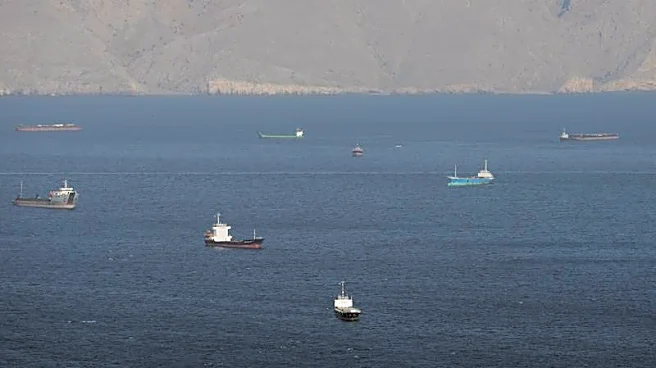
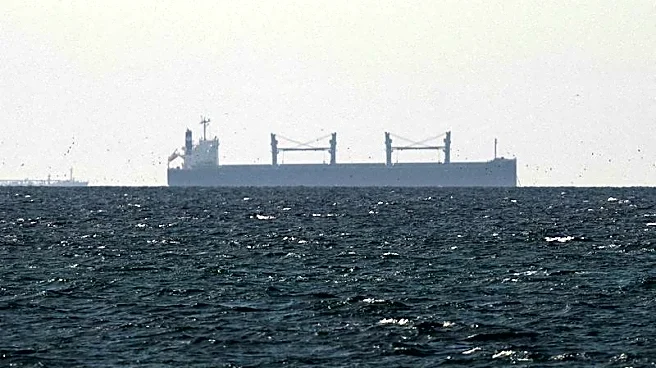
coordinating energy reserves among member states, and refilling gas storage facilities. These steps aim to stabilize energy supplies and reduce reliance on external sources. The EU also plans to accelerate domestic energy production and provide financial support to shield households and industries from rising costs. The measures come as Europe faces disruptions in global supply routes, particularly the Strait of Hormuz, a key artery for oil shipments.
Why It's Important?
The EU's emergency measures are crucial in mitigating the impact of rising energy prices on European economies and consumers. By coordinating energy reserves and increasing domestic production, the EU aims to enhance energy security and reduce vulnerability to external shocks. The measures also reflect the EU's commitment to addressing the economic challenges posed by geopolitical conflicts. However, some industry groups have criticized the response as insufficient, calling for more comprehensive plans, such as windfall taxes on oil companies, to fund relief efforts and reduce consumption.
What's Next?
As the EU implements these measures, member states will likely focus on ensuring effective coordination and monitoring of energy supplies. The EU may also explore additional strategies to enhance energy security and support affected industries. The ongoing conflict with Iran and potential disruptions in the Strait of Hormuz will continue to be closely monitored, as they pose significant risks to global energy markets. The EU's response may also influence other regions facing similar challenges, prompting a reevaluation of energy policies and strategies.