
What's Happening?
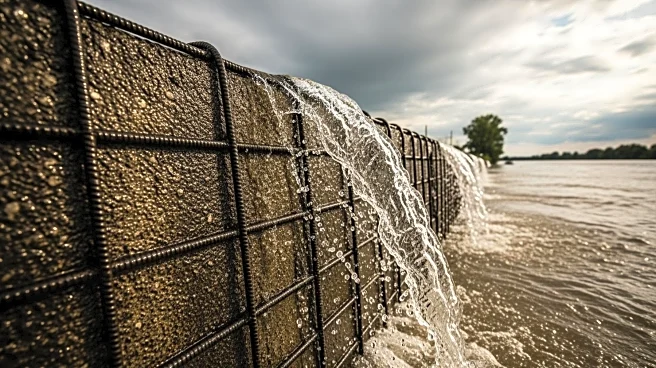
Portugal is experiencing a series of unprecedented storms that have resulted in at least 16 fatalities and significant infrastructure damage. The storms have led to the evacuation of over 3,000 people
from the Coimbra area and have caused widespread power outages affecting 33,000 residents. The country's interior minister, Maria Lúcia Amaral, resigned due to criticism over her handling of the crisis. Experts have criticized Portugal's lack of preparedness for such extreme weather events, urging the government to adapt to the current and future climate conditions. The storms have caused an estimated €775 million in damages, highlighting the urgent need for improved climate adaptation strategies.
Why It's Important?
The situation in Portugal underscores the growing impact of climate change on national security and public safety. The severe weather events have not only caused loss of life and property but have also exposed the vulnerabilities in the country's emergency response systems. This has broader implications for other nations facing similar climate challenges, emphasizing the need for comprehensive adaptation strategies to mitigate the effects of climate change. The economic impact of the storms, with damages running into hundreds of millions of euros, also highlights the financial burden that climate-related disasters can impose on national economies.
What's Next?
Portugal is likely to face increased pressure to develop and implement effective climate adaptation measures. The government may need to invest in infrastructure improvements and emergency response systems to better handle future extreme weather events. Additionally, there may be calls for international cooperation and support to address the broader challenges posed by climate change. The resignation of the interior minister could lead to political shifts and policy changes aimed at improving the country's resilience to climate-related disasters.