







What's Happening?
Multilateral Development Banks (MDBs) and International Financial Institutions (IFIs) have released a joint statement committing to strengthen global fertilizer supply chains. This initiative is a direct response to repeated shocks that have exposed structural
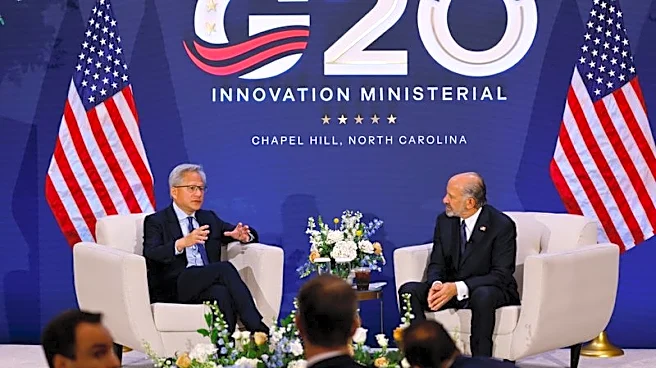
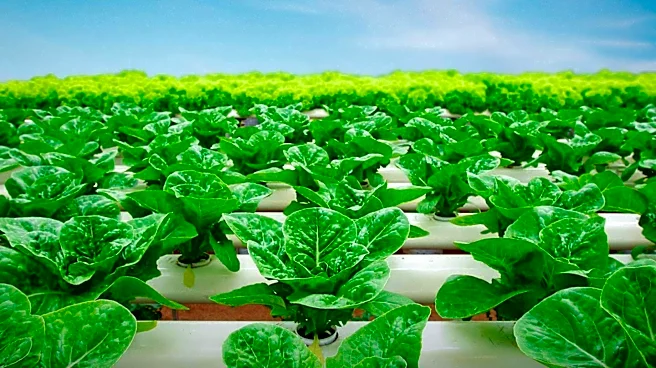
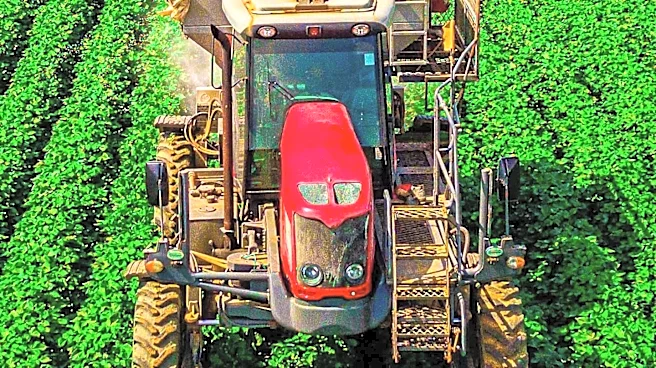
vulnerabilities, disproportionately affecting smallholder farmers and low-income households. The statement builds upon the 2022 IFI Action Plan to Address Food Insecurity and aligns with recent G20 discussions and the proposed G7+ Action Plan on Fertilizer Shocks and Food Systems Resilience. The MDBs and IFIs aim to support countries in enhancing fertilizer supply chain resilience through increased financing for production, processing, storage, and transportation infrastructure. They also plan to improve market monitoring, ensure timely access to fertilizers, and promote efficient fertilizer use through soil diagnostics, precision nutrient management, and digital agriculture. The ultimate goal is to strengthen food systems by investing in resilient value chains and innovative technologies.
Why It's Important?
This joint commitment by leading financial institutions is critically important for global food security, with significant implications for the U.S. and its agricultural sector. Disruptions in fertilizer supply chains can lead to increased food prices, reduced agricultural output, and heightened food insecurity, impacting both domestic consumers and international aid efforts. By strengthening these supply chains, the initiative aims to stabilize a key input for agricultural production, which can help mitigate inflationary pressures on food costs and ensure a more consistent supply of agricultural products. For U.S. farmers, a more resilient global fertilizer market could mean greater predictability in input costs and availability, reducing operational risks. Furthermore, the promotion of efficient fertilizer use and sustainable agricultural practices aligns with broader U.S. environmental and climate goals, fostering long-term food system stability and reducing environmental impact.
What's Next?
The MDBs and IFIs plan to develop a coordinated MDB Roadmap on Strengthening Fertilizer Supply Chains, working with G20 members, development partners, and the private sector. This roadmap will outline specific financing, analytical work, policy dialogue, and technical assistance initiatives. Key actions will include increasing financing for fertilizer infrastructure, improving market monitoring, and promoting efficient use through advanced agricultural techniques. There will also be a continued focus on supporting food security for vulnerable households and improving access to finance and markets for smallholder farmers. Deepened collaboration among governments, international organizations, research institutions, civil society, and the private sector is expected, involving data sharing, knowledge exchange, and coordinated operational support to achieve these goals.
Beyond the Headlines
This joint statement signifies a recognition that food security is not merely an agricultural issue but a complex challenge intertwined with global finance, trade, and geopolitical stability. The emphasis on strengthening fertilizer supply chains highlights the interconnectedness of global economies and the ripple effects of disruptions in one sector on others. Beyond immediate economic benefits, this initiative could foster greater international cooperation and shared responsibility in addressing systemic vulnerabilities. It also underscores the growing importance of sustainable agricultural practices, as efficient fertilizer use and nature-based solutions are integral to long-term resilience. The involvement of financial institutions in this area suggests a broader trend where economic stability is increasingly linked to ecological and social well-being, pushing for more holistic and integrated approaches to global challenges.