


What's Happening?
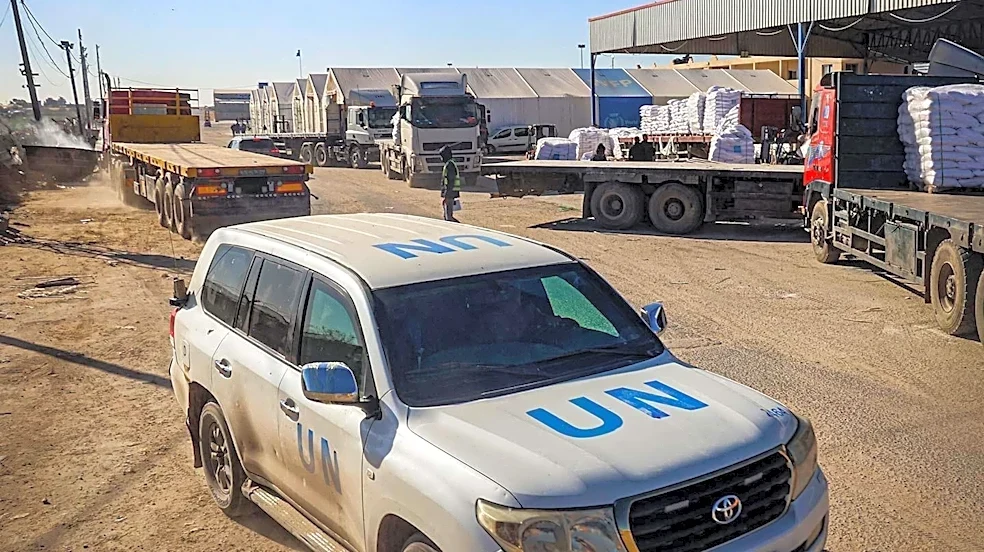
The United Nations Development Programme (UNDP) operates in more than 170 countries and territories globally, supporting governments and communities with various development programs. Unlike specialized agencies such as the WHO or FAO, the UNDP does not
have a formal membership system. Instead, it functions as a UN program, with its activities overseen by an Executive Board composed of representatives from UN Member States. The UNDP's work is structured into five major regional bureaus: Africa, Arab States, Asia and the Pacific, Europe and Central Asia, and Latin America and the Caribbean. This regional organization allows the UNDP to tailor its development support to the specific political, economic, environmental, and social contexts of each area. Its programs are diverse, covering areas such as poverty reduction, governance, rule of law, institutional strengthening, climate action, disaster resilience, crisis recovery, gender equality, digital transformation, and sustainable development.
Why It's Important?
The UNDP's extensive global presence and flexible operational model are crucial for addressing a wide array of development challenges worldwide. By working in over 170 countries and territories without a formal membership structure, the UNDP can adapt quickly to evolving needs and priorities, providing targeted support where it is most required. This approach allows for a more inclusive and responsive development agenda, reaching communities that might otherwise be overlooked by more rigid organizational frameworks. The UNDP's focus on diverse areas, from poverty reduction to climate action, highlights its comprehensive strategy for fostering sustainable development. Its collaboration with national governments, local communities, civil society, and international organizations underscores the importance of multi-stakeholder partnerships in achieving global development goals, making it a vital component of the international development community.
What's Next?
The UNDP will continue to implement its diverse range of development programs across its five regional bureaus, adapting its strategies to local development priorities. This ongoing work will involve collaborating with national governments, local communities, civil society, and other international organizations to achieve sustainable development goals. The Executive Board, comprising representatives of UN Member States, will continue to provide intergovernmental support and supervision for UNDP activities, ensuring alignment with broader UN objectives. The UNDP's commitment to areas like climate action, digital transformation, and gender equality suggests a continued focus on contemporary global challenges, indicating that its future efforts will likely involve innovative solutions and partnerships to address these complex issues in the more than 170 countries and territories it serves.
Beyond the Headlines
The UNDP's unique operational model, which eschews a traditional membership list in favor of a program-based approach, has profound implications for the effectiveness and reach of international development efforts. This structure allows for greater agility and responsiveness, enabling the UNDP to engage with a broader spectrum of entities, including non-sovereign territories, which might not fit into conventional international organizational frameworks. The emphasis on adapting development support to local contexts highlights a critical shift from one-size-fits-all solutions to more tailored, community-driven approaches. This model also underscores the evolving nature of international cooperation, where flexibility and inclusivity are becoming paramount in addressing complex global challenges. The UNDP's role as a lead agency on international development, without the constraints of a formal membership, positions it as a key facilitator for collaborative and impactful development initiatives worldwide.