








What's Happening?
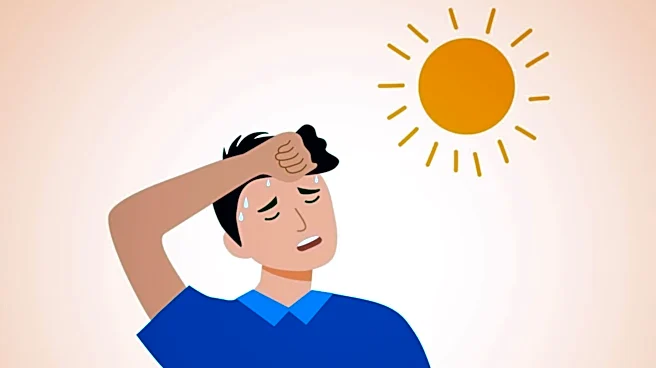
Chills and sweating are common physiological responses often linked to the body's temperature regulation system. While frequently associated with fever and infections like influenza, COVID-19, or pneumonia, these symptoms can also occur without an elevated
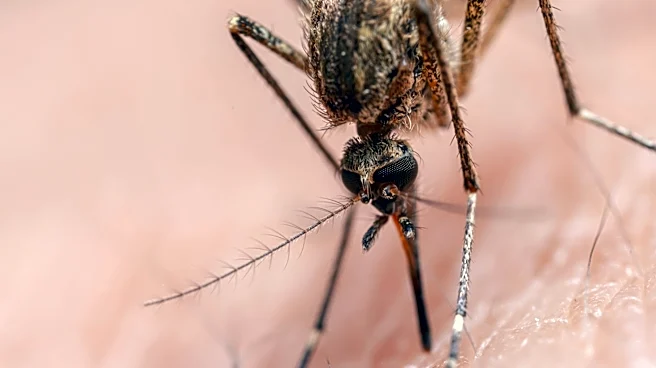
body temperature. Various factors can trigger alternating chills and sweating, including low blood sugar (hypoglycemia), hormonal changes such as perimenopause and menopause, and certain medications or their withdrawal. The autonomic nervous system plays a crucial role, as its activation can lead to sweating, rapid heartbeat, and cold or clammy skin, often seen in stress responses or conditions like autonomic dysfunction. Tick-borne illnesses, specifically babesiosis, are also noted as significant causes, presenting with fever, chills, and sweats, particularly in endemic regions. The timing and sequence of these symptoms—whether chills precede sweating, or if they occur simultaneously—provide important clues for diagnosis. For instance, sweating followed by feeling cold can simply be due to evaporation, while sudden cold sweats with other severe symptoms may indicate a medical emergency.
Why It's Important?
Understanding the diverse causes of chills and sweating is crucial for accurate diagnosis and appropriate medical intervention, preventing potential misdiagnoses or delayed treatment. For individuals, recognizing when these symptoms warrant medical attention can be life-saving, especially when accompanied by severe indicators like chest pain, confusion, or high fever. From a public health perspective, awareness of symptoms related to conditions like tick-borne diseases can prompt timely testing and treatment, curbing their spread and reducing severe outcomes. For healthcare providers, a comprehensive understanding of the differential diagnoses—ranging from common infections to less obvious causes like medication side effects or autonomic disorders—enhances diagnostic precision. This knowledge also helps in distinguishing between benign, self-resolving episodes and those requiring urgent care, thereby optimizing healthcare resource allocation and improving patient outcomes. The interplay of various bodily systems in temperature regulation highlights the complexity of human physiology and the need for a holistic approach to symptom evaluation.
What's Next?
Individuals experiencing recurrent, unexplained, or progressively worsening chills and sweating should seek medical evaluation. The initial assessment typically involves a detailed history and physical examination, focusing on symptom timing, associated complaints, medication use, and recent exposures. Clinicians may order various tests, including complete blood counts, metabolic studies, blood glucose checks, thyroid testing, or specific investigations for infections, depending on the suspected cause. For those with potential tick exposure, targeted testing for Lyme disease or babesiosis may be recommended. Patients should monitor their temperature during episodes and note any accompanying symptoms to provide comprehensive information to their healthcare provider. It is crucial to avoid self-diagnosis and self-treatment, especially when symptoms are severe or persistent. Ongoing research into the mechanisms of temperature dysregulation and the impact of various medical conditions will continue to refine diagnostic approaches and treatment strategies for these common yet complex symptoms.
Beyond the Headlines
The phenomenon of chills and sweating extends beyond simple temperature regulation, touching upon the intricate balance of the human body's internal systems. The fact that these symptoms can manifest without a fever underscores the complexity of the autonomic nervous system and its role in maintaining homeostasis. This highlights a broader challenge in medicine: symptoms are often non-specific, requiring clinicians to act as detectives, piecing together a patient's history, physical findings, and laboratory results to arrive at an accurate diagnosis. The discussion also implicitly raises awareness about less common but significant conditions like babesiosis, emphasizing the importance of considering geographical factors and exposure risks in diagnosis. Furthermore, the impact of medications and hormonal changes on thermoregulation points to the need for personalized medicine, where individual physiological responses to treatments and life stages are carefully considered. This holistic view encourages both patients and healthcare providers to look beyond the obvious, fostering a deeper understanding of the body's signals and promoting more precise and effective healthcare.