
What's Happening?
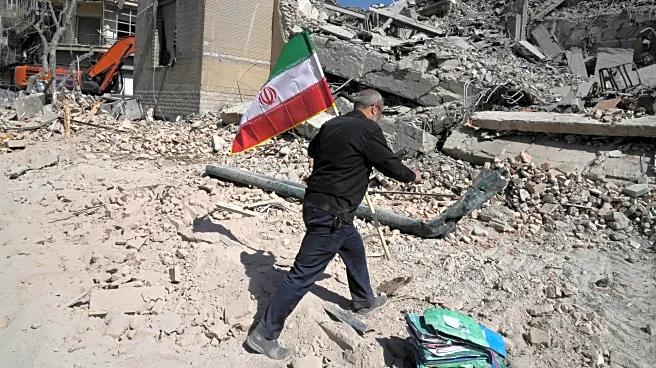
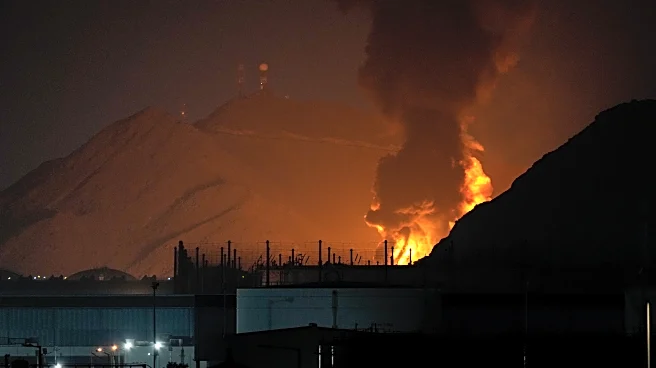
Two Bauhaus buildings in Tel Aviv, part of the Unesco World Heritage site known as The White City, were damaged by Iranian missiles. The attack occurred on February 28, resulting in the partial destruction of the Bauhaus Center, which houses galleries
and a permanent collection, and a nearby apartment block. The strike led to the death of one woman and injured 20 others. The White City, recognized for its architectural significance and modernist design, was inscribed as a Unesco World Heritage site in 2003. The Bauhaus Center, in a statement, emphasized the cultural and historical importance of these buildings, describing them as symbols of survival and modernity. The attack also damaged the glass façade of the Habima, Israel’s National Theatre. Unesco and other United Nations bodies have condemned the violence, highlighting the cultural loss and the impact on heritage sites.
Why It's Important?
The damage to these heritage sites underscores the broader impact of military conflicts on cultural heritage and history. The White City of Tel Aviv is a significant example of modernist architecture, and its damage represents a loss not only to Israel but to global cultural heritage. The conflict has forced cultural institutions to close and move their collections to bomb shelters, disrupting cultural life and preservation efforts. This situation highlights the vulnerability of cultural sites in conflict zones and raises concerns about the protection of heritage during wartime. The international community, including Unesco, has expressed concern over the destruction of cultural heritage, which can have lasting impacts on cultural identity and historical continuity.
What's Next?
Cultural institutions in Israel are likely to continue safeguarding their collections as the conflict persists. The Bauhaus Center and other affected sites may seek international support for restoration efforts once the situation stabilizes. The ongoing conflict may prompt further discussions on the protection of cultural heritage in war zones, potentially leading to increased international cooperation and policy development. The broader geopolitical tensions in the region may also influence future diplomatic and cultural preservation efforts.
Beyond the Headlines
The destruction of cultural heritage sites in Tel Aviv highlights the ethical and cultural dimensions of war, where the loss extends beyond physical damage to include the erasure of cultural memory and identity. This event may serve as a catalyst for renewed efforts to protect cultural heritage globally, emphasizing the need for international legal frameworks and cooperation. The situation also raises questions about the responsibilities of nations and international bodies in preserving cultural heritage during conflicts.