





What's Happening?
Iran is considering imposing a transit fee on ships passing through the Strait of Hormuz, a critical shipping lane for global oil supply. This development comes amid ongoing tensions between Iran and the United States, with recent U.S. strikes on Iran being
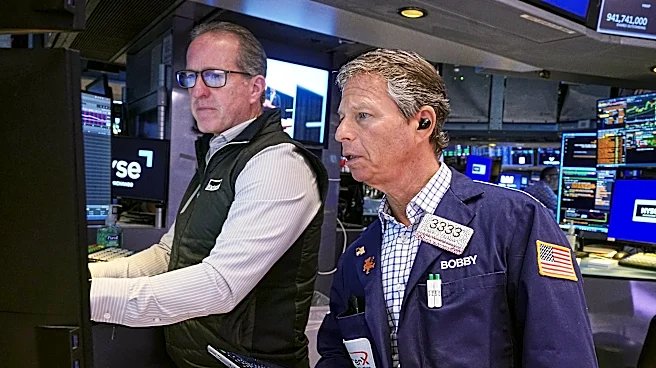
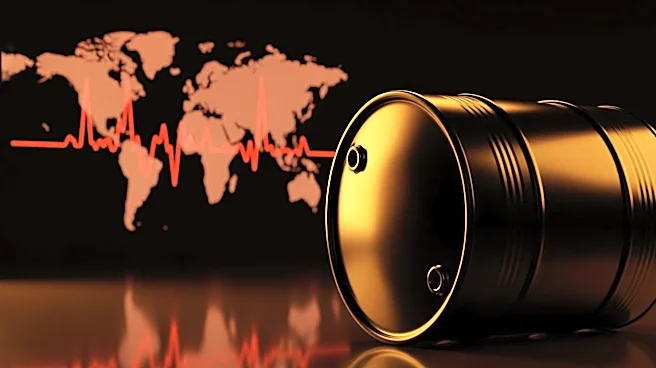
labeled as 'defensive'. The potential fee, described as an 'environmental fee', could be part of a peace agreement between the two nations. The Strait of Hormuz is a vital passageway, with about one-fifth of the world's seaborne oil supply passing through it. The possibility of such a fee has caused volatility in global oil markets, with Brent crude prices rising by 2.5% to $98.47 per barrel. Iranian officials have stated that while there is no current toll, the costs associated with navigation and ecosystem preservation in the region are significant.
Why It's Important?
The imposition of a transit fee on the Strait of Hormuz could have significant implications for global oil markets and trade. As a major conduit for oil, any additional costs could lead to increased oil prices worldwide, affecting economies dependent on oil imports. The fee could either be absorbed by producers or passed on to consumers, potentially leading to higher energy costs. This development also raises questions about the freedom of maritime navigation and sets a precedent for future trade regulations. The uncertainty surrounding the negotiations between Iran and the U.S. adds to the volatility in oil markets, impacting investor confidence and market stability.
What's Next?
If Iran proceeds with the transit fee, it could lead to further diplomatic negotiations and potential pushback from global stakeholders who rely on the Strait for oil transport. The U.S. and other nations may seek to negotiate terms that ensure the free flow of oil without additional costs. The situation could also influence future geopolitical strategies and alliances in the region. Monitoring the developments in the negotiations between Iran and the U.S. will be crucial for understanding the potential long-term impacts on global oil markets and international trade.