
What's Happening?
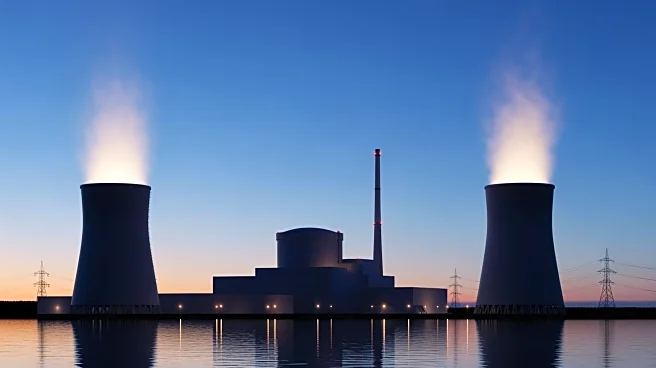
The global nuclear energy sector is set to experience significant developments by 2026, driven by major projects in Japan and China. According to a report by Wood Mackenzie, Japan plans to restart the
Kashiwazaki-Kariwa nuclear power plant, the world's largest, which has been offline since 2012. The plant, with an 8-gigawatt capacity, received regulatory approval in November 2025 to restart two of its units, adding 2.7 gigawatts to the global nuclear capacity. Concurrently, China is preparing to launch its first land-based small modular reactor (SMR), the ACP100 (Linglong One), in the first half of 2026. This marks a significant milestone as it will be the first commercial SMR to operate globally. China is also expanding its nuclear capabilities with several large reactors under construction, including those in Lianjiang and Zhaoyuan. Additionally, India and Vietnam are making strides in their nuclear energy goals, with India focusing on large-scale projects like Jaitapur and Mahi Banswara, and Vietnam exploring options for conventional reactors and SMRs.
Why It's Important?
These developments in the nuclear energy sector are crucial as they represent a shift towards more sustainable and reliable energy sources. The restart of Japan's Kashiwazaki-Kariwa plant and the introduction of China's SMR technology could significantly enhance global nuclear capacity, contributing to energy security and reducing reliance on fossil fuels. This is particularly important in the context of global efforts to combat climate change and reduce carbon emissions. The advancements in nuclear technology also highlight the growing interest in SMRs, which offer a more flexible and potentially safer alternative to traditional large reactors. For countries like India and Vietnam, progressing in nuclear energy can help meet their increasing energy demands and support economic growth. These projects could also stimulate technological innovation and create opportunities for international collaboration in the nuclear sector.
What's Next?
As these projects progress, the focus will likely shift to ensuring regulatory compliance and safety standards, particularly for the restart of Japan's Kashiwazaki-Kariwa plant. The successful launch of China's SMR could pave the way for further adoption of this technology globally, potentially influencing energy policies and investment decisions in other countries. India and Vietnam will need to address challenges related to construction timelines and financing to advance their nuclear projects. The international community will be watching these developments closely, as they could set precedents for future nuclear energy initiatives. Additionally, there may be increased discussions around the role of nuclear energy in achieving global climate goals and the potential for new partnerships and collaborations in the sector.