


What's Happening?
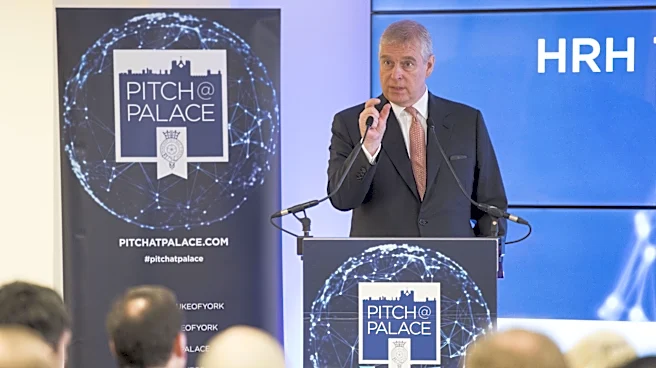
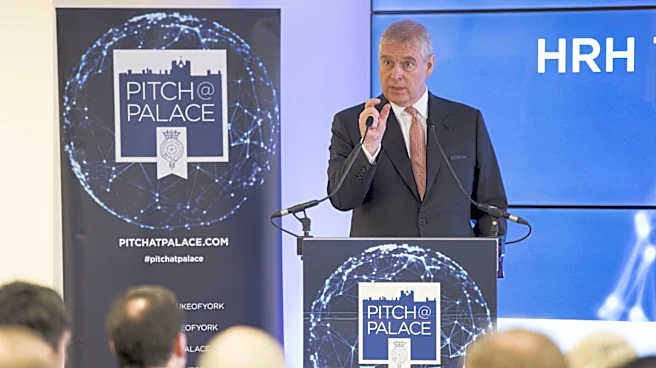
Veteran royal photographer Mark Harrison has disclosed a previously unheard explanation from Prince Andrew regarding his alleged inability to sweat, offered during a break in his 2019 BBC Newsnight interview. During the televised interview with Emily
Maitlis, Prince Andrew claimed an 'overdose of adrenaline' from the Falklands War caused his non-sweating condition, contradicting Virginia Giuffre's account of him sweating profusely. However, Harrison, who was present during the interview, revealed on the Fred and Harry Borden podcast that Prince Andrew provided a more detailed, off-camera account. According to Harrison, Prince Andrew linked his condition to his Royal Navy helicopter pilot training, where he was taught to override natural instincts when facing incoming missiles. He described how this training, which involved going against the instinct to turn away from a missile, brought on his 'absence of sweating condition.' Despite Maitlis questioning if he had ever shared this story publicly, Prince Andrew chose not to repeat it on camera, sticking to his adrenaline-related explanation. Harrison also noted Prince Andrew's upbeat demeanor after the interview, seemingly unaware of the impending public relations crisis.
Why It's Important?
This new revelation offers further insight into Prince Andrew's defense strategies and his perception of the allegations against him during a critical period. His attempt to provide a detailed, albeit unusual, explanation for his non-sweating condition underscores the pressure he faced to discredit Giuffre's claims. The fact that he chose not to share this more elaborate story on camera suggests a calculated decision, possibly indicating a belief that the simpler 'adrenaline overdose' explanation would be more publicly palatable or less open to scrutiny. The photographer's account highlights the behind-the-scenes dynamics of high-stakes interviews and how individuals attempt to control their narrative. It also reinforces the public's ongoing fascination with the details surrounding Prince Andrew's association with Jeffrey Epstein and the subsequent fallout, which led to his withdrawal from public royal duties. The story contributes to the broader understanding of how public figures manage crises and the often-unseen efforts to shape public perception.
What's Next?
While Prince Andrew has largely withdrawn from public life, revelations like Harrison's continue to fuel public discussion and scrutiny of his past actions and statements. There are no immediate foreseeable consequences for Prince Andrew directly from this specific revelation, as it pertains to a past event. However, such details can influence public opinion and historical narratives surrounding his involvement with Jeffrey Epstein. The ongoing investigations by Thames Valley Police and Police Scotland regarding alleged misconduct and sex offenses mean that any new information, even from past interviews, could potentially be considered in broader contexts. The public and media will likely continue to analyze these details as part of the larger narrative of royal accountability and the impact of past associations. Future documentaries or journalistic endeavors might incorporate these newly revealed details, further shaping the public's understanding of the events leading to Prince Andrew's current status.
Beyond the Headlines
This story delves into the psychological aspects of crisis management and self-preservation by public figures. Prince Andrew's detailed, yet ultimately unshared, explanation for his non-sweating condition reveals a potential attempt to construct a narrative that aligns with his perceived innocence, even if it involved an elaborate and unusual physiological claim. It highlights the lengths to which individuals might go to defend themselves against damaging allegations, showcasing a disconnect between his self-perception and the public's reception of his statements. The incident also underscores the power of media and the role of behind-the-scenes accounts in shaping public understanding of significant events. The contrast between his confident demeanor post-interview and the subsequent public backlash serves as a case study in misjudging public sentiment and the impact of transparency in an era of intense media scrutiny. It also touches upon the ethical considerations of what information is presented to the public versus what is withheld during high-profile interviews.