


What's Happening?
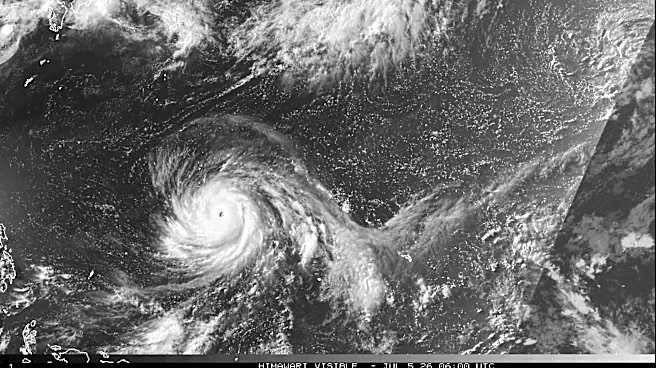
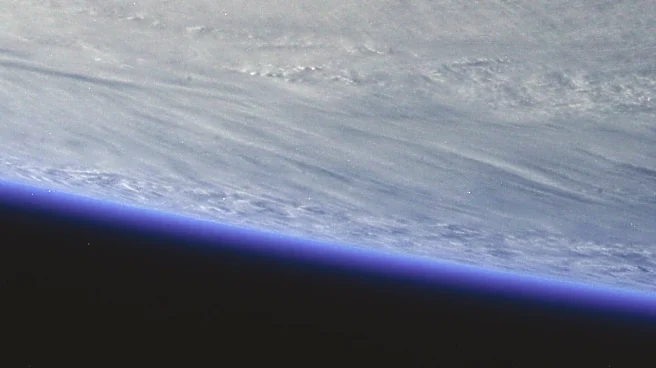
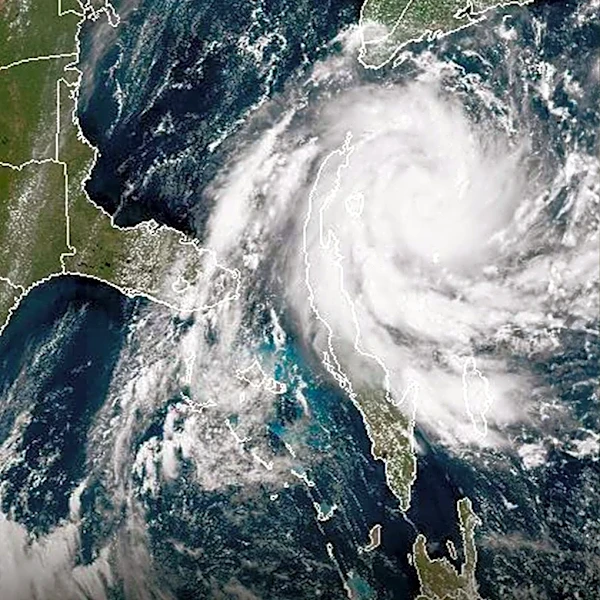
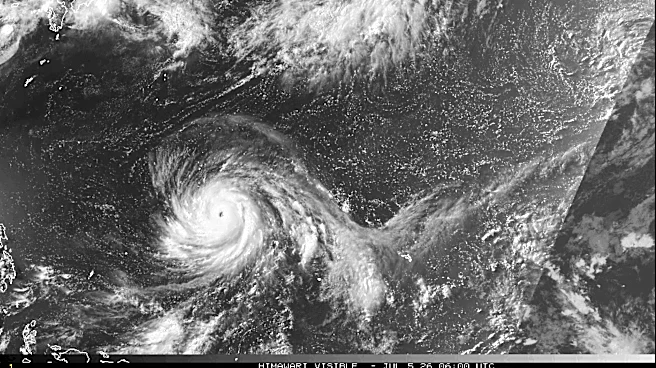
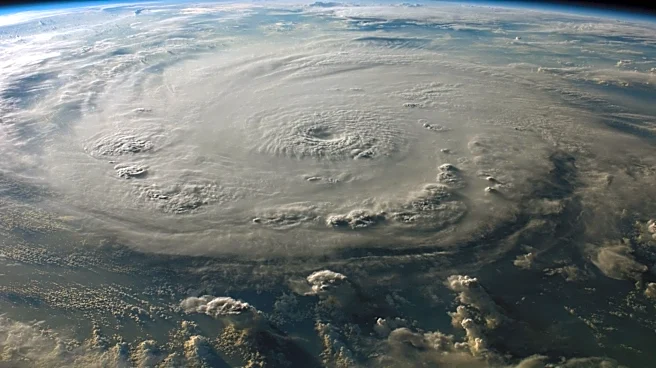
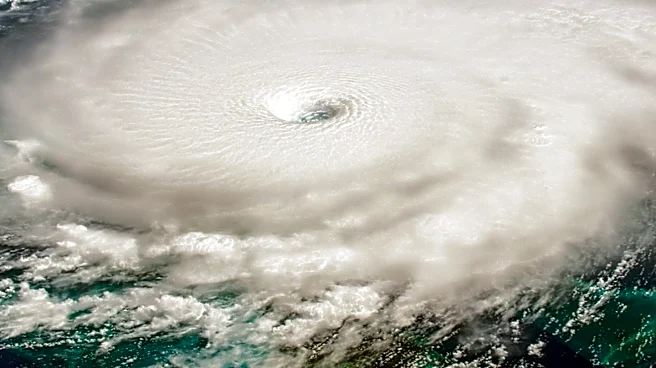
Super Typhoon Bavi, a Category 5 storm, has made landfall in the U.S. Pacific territories of Guam and the Northern Mariana Islands, bringing with it catastrophic winds and life-threatening conditions. The storm, with sustained winds of up to 180 mph,
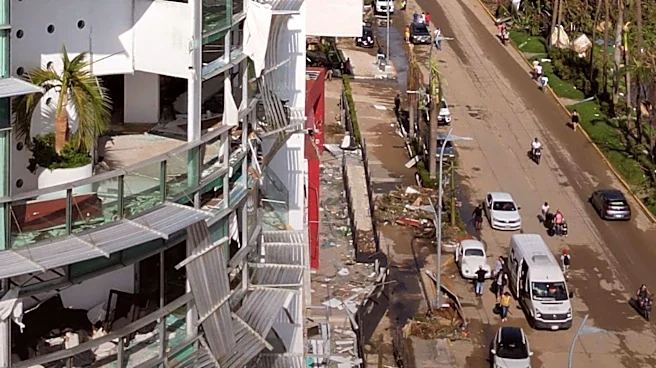
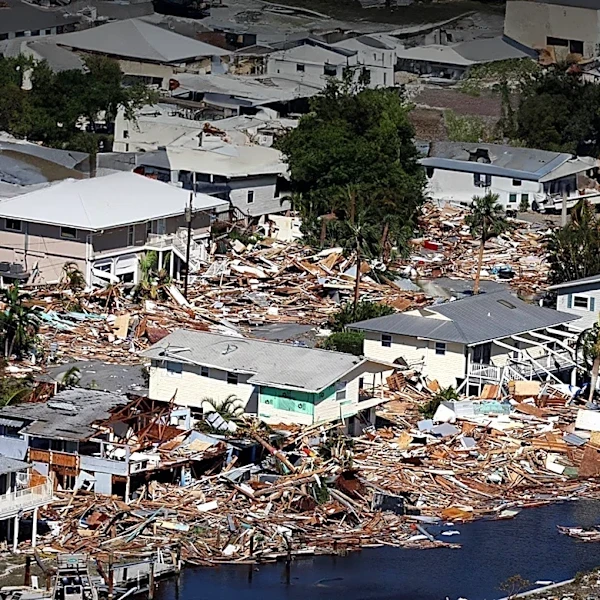
has caused significant damage, particularly on the island of Rota. Residents have been advised to remain indoors as the storm's eyewall passed directly over the island. The National Weather Service and local authorities have issued warnings about destructive waves, potential flash flooding, and mudslides. Emergency shelters have been opened, and power outages have been reported across the region. The storm is expected to continue moving away from the Mariana Islands, but dangerous conditions are likely to persist.
Why It's Important?
The impact of Super Typhoon Bavi is significant due to its potential to cause widespread destruction in a strategically important region for the U.S. military. Guam hosts key military bases, including Andersen Air Force Base and Naval Base Guam, which are critical for U.S. operations in the Indo-Pacific. The storm's intensity rivals that of Super Typhoon Sinlaku, which caused extensive damage earlier in the year. The economic and infrastructural damage from Bavi could be substantial, affecting thousands of residents and military personnel. The storm highlights the vulnerability of these territories to extreme weather events, raising concerns about preparedness and resilience in the face of climate change.
What's Next?
As Super Typhoon Bavi moves away from the Mariana Islands, emergency officials continue to urge residents to stay indoors and avoid travel until conditions improve. The storm is expected to remain a Category 5 super typhoon through Wednesday, with dangerous surf and marine hazards persisting. Recovery efforts will likely focus on restoring power and infrastructure, assessing damage, and providing aid to affected communities. The military bases in the region will also need to evaluate the impact on their operations. Long-term, there may be discussions on improving infrastructure resilience and emergency response strategies to better handle future storms.