








What's Happening?
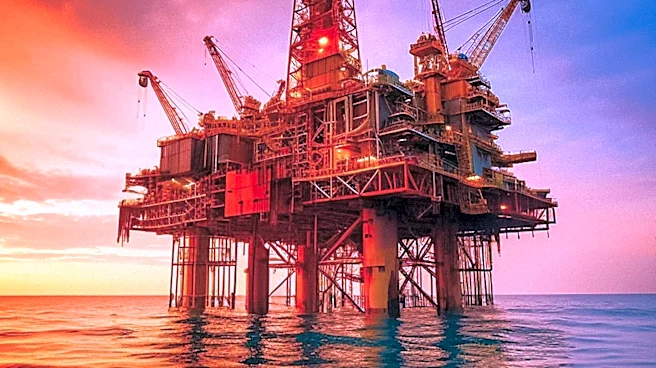
Internal documents have revealed that Shell continued to operate a compromised pipeline in Nigeria's Niger Delta, despite being aware of the pollution risks it posed to the surrounding coastal wetland environment. The Nembe Creek Trunk Line, a critical
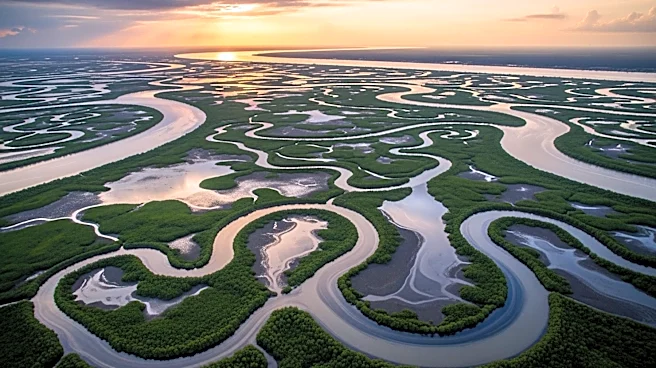
oil artery, was known to be in poor condition as early as 2008. Despite proposals to shut it down, Shell executives decided to keep it operational. This decision has led to significant environmental degradation, including the destruction of thousands of hectares of mangroves and aquatic life, impacting local communities reliant on fishing. Shell attributes the spills to organized criminal gangs and highlights the security risks associated with shutting down the pipeline.
Why It's Important?
The continued operation of the compromised pipeline by Shell has significant implications for environmental sustainability and the livelihoods of local communities in the Niger Delta. The region is a biodiversity hotspot, and the degradation of its mangrove forests threatens both ecological balance and the economic well-being of those who depend on these ecosystems. The situation underscores the challenges of balancing industrial operations with environmental protection and community welfare. It also raises questions about corporate responsibility and the effectiveness of regulatory frameworks in managing environmental risks associated with oil extraction.
What's Next?
The High Court trial against Shell by the Niger Delta communities is scheduled to begin in early 2027. The affected communities are seeking compensation and a thorough cleanup of the pollution. This legal battle could set a precedent for how multinational corporations are held accountable for environmental damage in developing regions. It may also influence future regulatory policies and corporate practices in the oil and gas industry, particularly in areas with fragile ecosystems.
Beyond the Headlines
The case highlights broader ethical and legal issues regarding corporate accountability and environmental justice. It raises questions about the role of multinational companies in contributing to and mitigating environmental degradation in resource-rich but economically vulnerable regions. The outcome of the lawsuit could influence global discussions on sustainable development and the responsibilities of corporations operating in ecologically sensitive areas.