



What's Happening?
Western forces are conducting training for Ukrainian soldiers at Camp Jomsborg in eastern Poland, an effort led by Norway as part of Operation Legio. The training involves a designated opposition force that role-plays as Russian forces, using vehicles
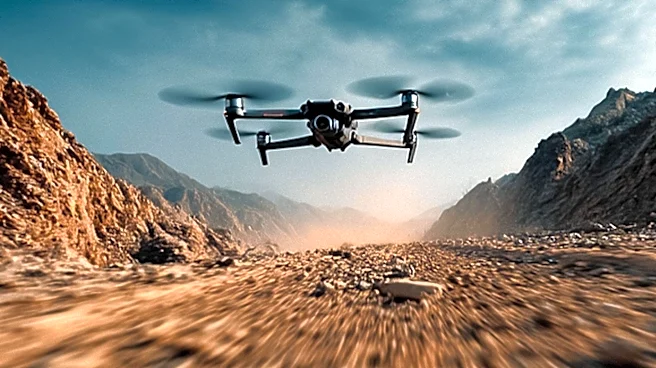
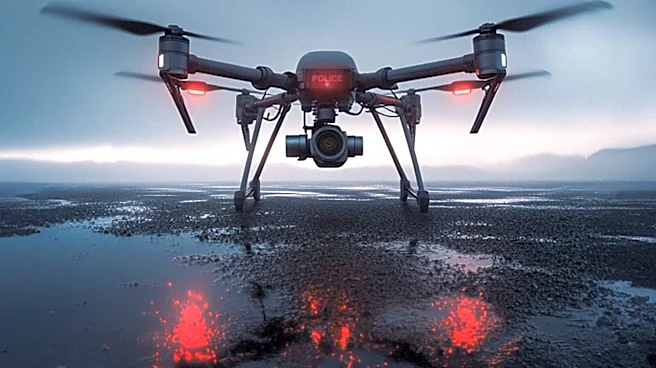
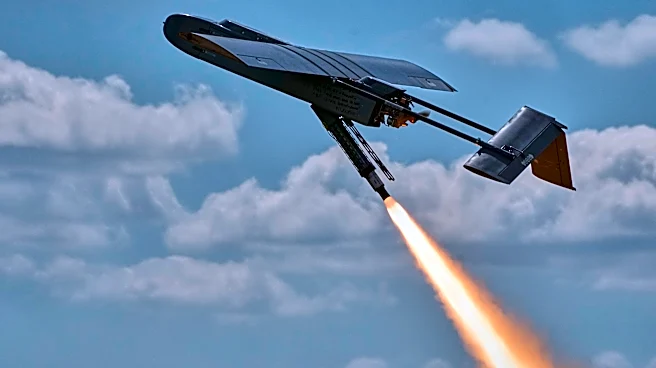
and tactics similar to those employed by Russia on the battlefield. This includes tanks, armored vehicles, ATVs, and motorcycles, as well as drones. The aim is to expose Ukrainian troops to realistic scenarios they will encounter in combat. The training site is designed to resemble Ukrainian terrain, with trenches dug by Ukrainians or built according to their instructions, and regularly updated to mirror actual battlefield conditions. Laser simulation systems and explosives are used to enhance realism. Ukrainian instructors also provide feedback to the opposition force on how to behave, ensuring the training accurately reflects Russian combat behavior.
Why It's Important?
This training initiative is crucial for enhancing the combat readiness and effectiveness of Ukrainian forces against Russian aggression. By simulating realistic Russian tactics and equipment, Western allies are directly addressing the evolving nature of the conflict, which has seen shifts from large-scale mechanized warfare to smaller, more agile unit engagements involving ATVs and drones. The emphasis on realism, including terrain and enemy behavior, ensures that Ukrainian soldiers are better prepared for the specific challenges they face. This collaborative effort also signifies a deeper level of military cooperation between Ukraine and Western nations, allowing for the exchange of battlefield lessons and the integration of Western doctrine with Ukrainian combat experience. This approach aims to give Ukrainian troops a critical advantage by familiarizing them with enemy methods in a controlled environment.
What's Next?
The training at Camp Jomsborg will likely continue to adapt and evolve based on real-time feedback from the Ukrainian front lines. The continuous updating of mock Russian tactics and equipment suggests an ongoing commitment to providing the most relevant and effective training possible. This initiative may also serve as a model for future international military training programs, emphasizing realism and direct input from combat-experienced forces. The lessons learned from this training are not only beneficial for Ukrainian soldiers but also for the Western forces involved, as they gain insights into modern combat dynamics and Russian military strategies. This reciprocal learning process could influence future military doctrines and training methodologies across NATO and its partners.
Beyond the Headlines
The training program highlights a significant shift in military education, moving beyond theoretical exercises to highly immersive and adaptive simulations. The concept of an 'opposition force' that actively mimics enemy behavior, including their strengths and weaknesses, is a sophisticated approach to preparing soldiers for the psychological and tactical demands of real combat. This also underscores the importance of intelligence gathering and analysis in shaping training programs, as the effectiveness of the simulation relies heavily on accurate information about Russian tactics. Furthermore, the collaboration between Ukrainian and Western forces represents a deeper integration of military capabilities and knowledge, fostering interoperability and a shared understanding of modern warfare challenges. This long-term investment in training reflects a strategic commitment to strengthening Ukraine's defense capabilities and, by extension, European security.