



What's Happening?
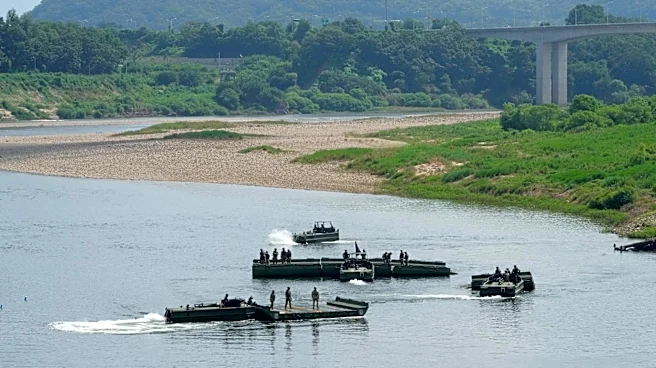
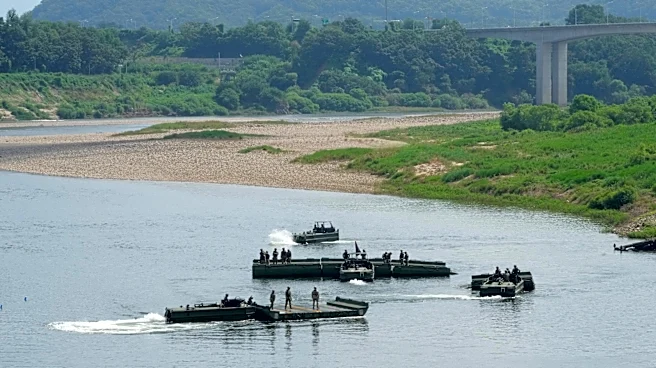
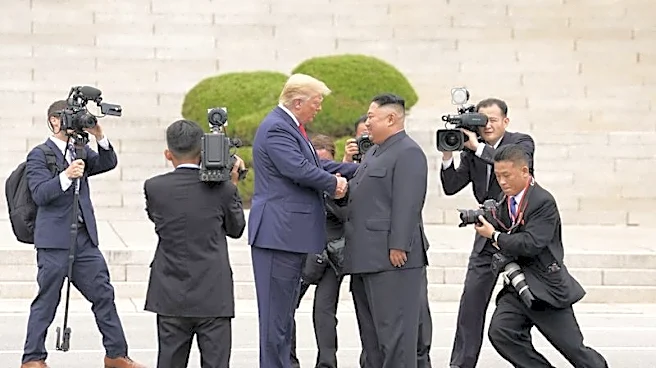
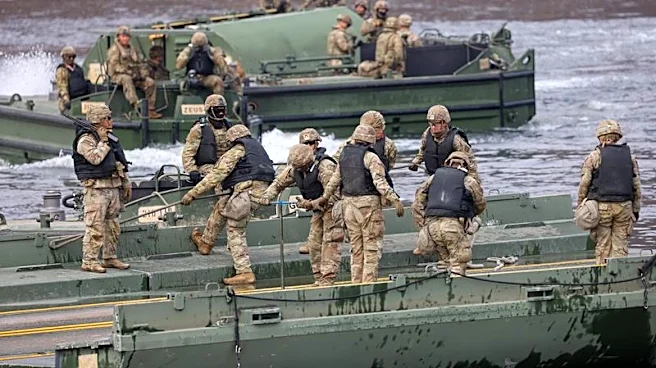
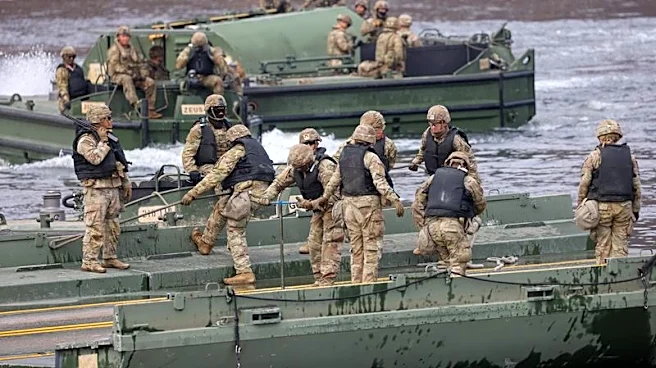
President Trump has ordered a significant reduction in joint military exercises with South Korea, including the Ulchi Freedom Shield drills. This decision, announced abruptly by President Trump, has led to the shortening of the 11-day exercises, which
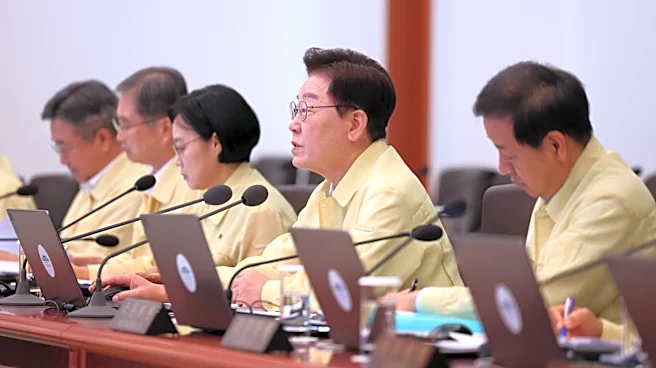
were initially planned to run until August 27, to conclude on Friday. The Pentagon confirmed adjustments to the duration and scale of the drills, stating that certain events were canceled or converted to simulations while maintaining essential readiness. President Trump justified the move by citing his positive relationship with North Korean leader Kim Jong Un and South Korea's refusal to support U.S. efforts regarding Iran. South Korean officials, including Foreign Minister Cho Hyun and Defense Minister Ahn Gyu-back, stated they were not informed of President Trump's decision prior to his social media announcement, causing concern within the country regarding joint defense readiness. North Korea, through Kim Yo Jong, the sister of Kim Jong Un, dismissed the scaled-back drills, asserting that their provocative nature remains unchanged.
Why It's Important?
This decision by President Trump carries significant implications for the U.S.-South Korea alliance and regional stability. The reduction or suspension of these long-standing military drills, which are a central pillar of the alliance dating back to the Korean War, could weaken the combined U.S.-South Korean defense posture. Experts, such as Yang Uk of Seoul's Asan Institute for Policy Studies, warn that a suspension could lead to military commanders being unfamiliar with drill procedures when they resume, potentially compromising readiness. Furthermore, President Trump's linking of the drills to South Korea's stance on Iran introduces a new dimension to U.S. foreign policy, suggesting that military cooperation could be leveraged for support on unrelated international issues. This approach could strain alliances and create uncertainty among U.S. partners. The move also signals a potential shift in U.S. strategy towards North Korea, prioritizing personal diplomacy over traditional military deterrence, which some experts believe may not lead to denuclearization without significant concessions from the U.S.
What's Next?
The immediate future will likely involve continued discussions between U.S. and South Korean officials to manage the implications of the scaled-back drills and address concerns about defense readiness. South Korean officials have indicated ongoing consultations regarding practical and military contributions to restore freedom of navigation in the Strait of Hormuz, suggesting that President Trump's pressure on Iran-related support may yield some response. However, North Korea's initial reaction, dismissing the changes as insignificant, suggests that President Trump's overture may not immediately lead to a resumption of denuclearization talks. Many experts believe Kim Jong Un, emboldened by his advancing nuclear program, will not return to talks without promises of greater concessions from the U.S. The long-term impact on the U.S.-South Korea alliance and the broader security landscape in Northeast Asia will depend on how these diplomatic and military adjustments evolve, and whether they lead to meaningful progress on denuclearization or further destabilize regional security.
Beyond the Headlines
The decision to scale back military drills extends beyond immediate defense concerns, touching upon the fundamental nature of U.S. alliances and the role of personal diplomacy in international relations. President Trump's approach, characterized by direct engagement with adversaries and a transactional view of alliances, challenges traditional diplomatic norms. By linking military exercises to unrelated foreign policy objectives, such as the Iran war, President Trump introduces a precedent that could reshape how the U.S. interacts with its allies globally. This could lead to a re-evaluation of alliance commitments and burden-sharing, potentially prompting allies to seek alternative security arrangements or re-assess their reliance on U.S. protection. The emphasis on personal chemistry with leaders like Kim Jong Un, while potentially opening new avenues for dialogue, also carries risks, as it can bypass established diplomatic channels and create unpredictability. This shift could have profound long-term effects on global power dynamics and the stability of international security frameworks.