





What's Happening?
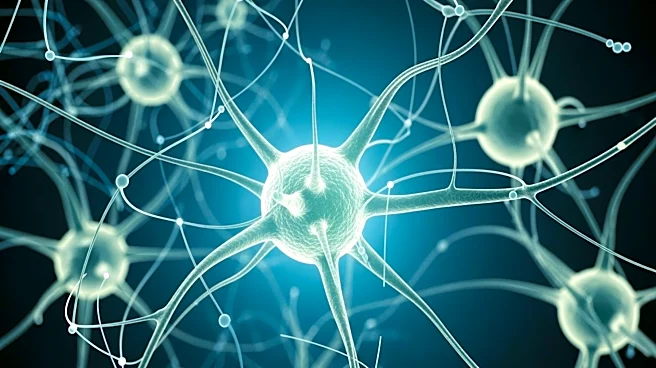
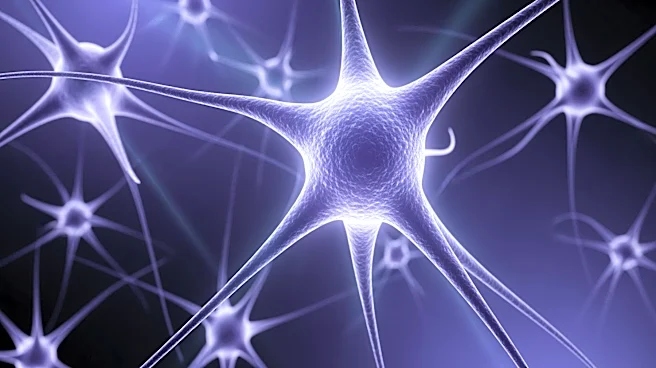
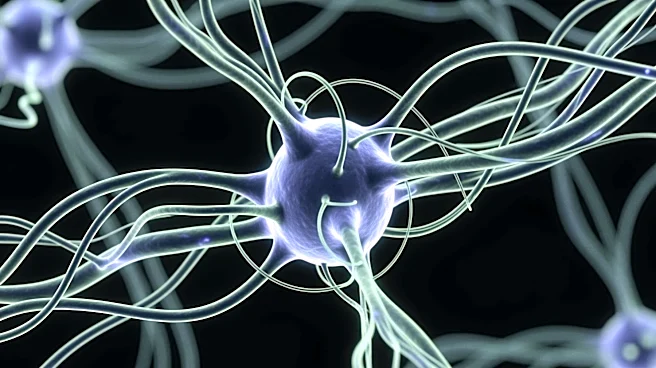
Researchers at the University of California San Diego have identified brain circuits in mice responsible for placebo pain relief. The study, published in Neuron, highlights brain regions where endogenous opioid neuropeptides send signals crucial for placebo effects.
Using sensor technology and a light-activated drug, the team mapped neural pathways and brain activity, confirming that placebo pain relief uses the same opioid signaling pathway as morphine-induced relief. This research suggests that placebo training could be used to build resilience to future pain from injuries.
Why It's Important?
Understanding the neurological mechanisms behind placebo pain relief could revolutionize pain management strategies. The findings suggest that placebo conditioning might serve as a substitute for addictive painkillers, offering a non-invasive method to train patients to develop resilience to pain. This could have significant implications for treating chronic pain and reducing dependency on opioids, addressing a major public health issue.
What's Next?
Future studies will explore how placebo learning unfolds in the brain and evaluate different placebo training strategies in mice. The goal is to develop protocols that can be translated to humans, potentially leading to new treatments for chronic pain. Researchers may also investigate the broader applications of placebo conditioning in other areas of medicine.