




What's Happening?
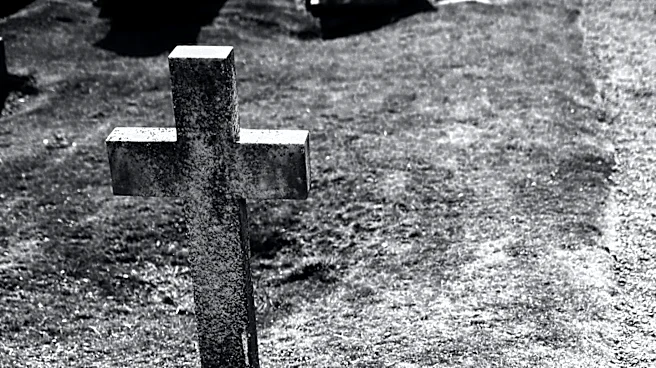
Families with loved ones buried at Hardin Fairview Cemetery are expressing outrage after cemetery workers removed mementos from gravesites and discarded them in dumpsters. Items such as statues, flowers, shepherd hooks, and wind chimes were taken as part
of what a cemetery caretaker described as a safety and maintenance effort. However, families contend they were never notified of any new protocols before the removals began. While the cemetery has rules posted, residents claim a newer set of rules was recently put up, replacing an older blue posting. A video posted on Facebook by Corina Kirschenmann-Kuntz, showing items in dumpsters near the cemetery, drew significant attention. Concerns were also raised about items being removed from Native American gravesites, with some families calling it desecration. An unidentified cemetery worker denied throwing items away, but families pointed to the dumpsters as evidence. Michelle Vandersloot, a former resident now in Gillette, Wyoming, expressed the emotional impact of not being able to honor loved ones at their gravesites.
Why It's Important?
This incident at Hardin Fairview Cemetery highlights significant issues regarding communication, respect for cultural practices, and the emotional impact of cemetery management policies on grieving families. The lack of prior notification about new rules or enforcement actions has led to feelings of violation and disrespect among community members. For Native American families, the removal of items from gravesites carries a deeper significance, being perceived as desecration, which can have profound cultural and spiritual implications. The public outcry, amplified by social media, underscores the importance of transparent and sensitive handling of cemetery policies, especially when they affect deeply personal and sacred spaces. This situation could lead to a re-evaluation of how cemeteries communicate with plot owners and manage grave decorations, potentially influencing best practices for cemetery administration across other communities. The incident also brings to light the need for clear, accessible, and consistently enforced rules that are communicated effectively to prevent such distress.
What's Next?
Residents of Hardin are seeking accountability and a community conversation regarding the handling of this situation. They are calling for the cemetery board to acknowledge the issue and apologize for the distress caused. Andy Jacobs, a resident, suggested that the community needs the cemetery management to accept responsibility. MTN, the news outlet, was referred to the cemetery board for comment but had not yet received a response from the board president. It is likely that families will continue to press for a meeting with cemetery officials to discuss the policies, seek clarification, and potentially advocate for changes in how rules are communicated and enforced. The community may also push for a more culturally sensitive approach to grave maintenance, particularly concerning Native American burial sites. The outcome could involve revised cemetery policies, improved communication strategies, and potentially a formal apology or reconciliation process.
Beyond the Headlines
The controversy at Hardin Fairview Cemetery touches upon broader themes of grief, cultural sensitivity, and the rights of families to honor their deceased loved ones according to their traditions. The act of placing mementos at gravesites is a deeply personal and culturally significant practice for many, serving as a tangible expression of remembrance and connection. When these items are removed without warning, it can exacerbate the grieving process and create a sense of injustice. The specific concerns raised by Native American families about desecration highlight the need for cemetery management to be acutely aware of and respectful towards diverse cultural and religious practices surrounding death and burial. This incident could prompt a wider discussion on the legal and ethical responsibilities of cemeteries to balance maintenance needs with the emotional and cultural needs of the communities they serve, potentially leading to more inclusive and empathetic cemetery management practices nationwide.