








What's Happening?
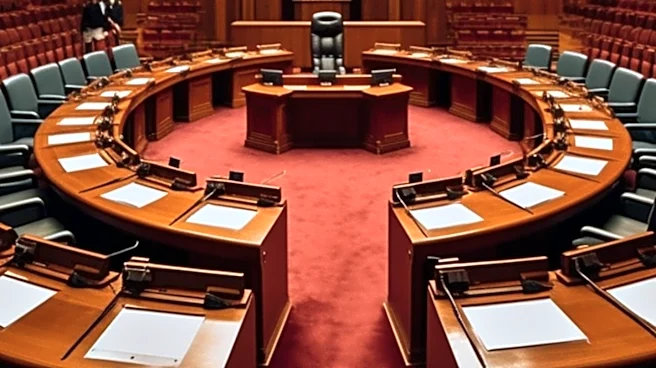
The Hawaii State Senate Committees on Judiciary and Hawaiian Affairs, in conjunction with the Native Hawaiian Affairs Caucus, held an informational briefing at the State Capitol. Lawmakers convened to examine the state and federal legalities that support
Native Hawaiian programs and institutions. A panel of legal experts participated, including Kaialiʻi Kahele, Chair of the Office of Hawaiian Affairs Board of Trustees; Derek H. Kauanoe, Assistant Professor of Law at the University of Hawaiʻi at Mānoa William S. Richardson School of Law; and Tyler Iokepa Gomes, Chief Administrator of the Kilohana Collective at the Hawaiian Council. Senator Jarrett Keohokalole (D, District 24) emphasized that these programs were established to address historical injustices and unique circumstances faced by Native Hawaiians, aiming to create opportunities in education, healthcare, and access to Hawaiian Home Lands. Senator Karl Rhoads (D, District 13), Chair of the Senate Committee on Judiciary, highlighted the importance for lawmakers to understand the historical context and lasting significance of these institutions to inform their future work.
Why It's Important?
This briefing is crucial for ensuring the continued viability and effectiveness of programs designed to support Native Hawaiians. These programs are vital for addressing long-standing historical injustices and providing essential services in education, healthcare, and land access. The legal examination helps to solidify the foundational understanding and justification for these initiatives, which directly impact the well-being and cultural preservation of the Native Hawaiian community. For lawmakers, a clear understanding of the legal framework and historical context is essential for crafting informed legislation and policy decisions that uphold the rights and needs of Native Hawaiians. Any changes or challenges to these legal underpinnings could have significant repercussions on the resources and opportunities available to this indigenous population, potentially affecting their socio-economic status and cultural continuity. The discussion underscores the state's commitment to rectifying past wrongs and fostering equitable opportunities.
What's Next?
The informational briefing serves as a foundational step for lawmakers to deepen their understanding of Native Hawaiian programs. While no immediate legislative actions were announced, the insights gained from this session are expected to inform future policy discussions and legislative efforts. Lawmakers, particularly those on the Judiciary and Hawaiian Affairs committees, will likely use this enhanced understanding to evaluate existing laws, propose new legislation, or defend current programs against potential challenges. The ongoing dialogue between legal experts, Native Hawaiian leaders, and state senators suggests a continued focus on ensuring these programs remain legally sound and effectively serve their intended beneficiaries. Future legislative sessions may see bills introduced that aim to strengthen, clarify, or expand the legal protections and support for Native Hawaiian institutions, reflecting the commitment expressed by Senators Keohokalole and Rhoads.
Beyond the Headlines
The examination of legalities supporting Native Hawaiian programs touches upon deeper issues of sovereignty, historical redress, and cultural preservation. These programs are not merely social services but represent a recognition of the unique political and historical relationship between the State of Hawaii and its indigenous people. The ongoing scrutiny of their legal basis reflects broader national conversations about indigenous rights and self-determination. Ethically, the state has a responsibility to uphold commitments made to Native Hawaiians, addressing the consequences of historical events. Legally, the discussions reinforce the complex interplay between state and federal law concerning indigenous populations. Culturally, the continued support for these institutions is vital for the perpetuation of Native Hawaiian language, traditions, and identity, ensuring that future generations can connect with their heritage. This briefing underscores the enduring legacy of historical injustices and the continuous effort required to foster equity and justice.