





What's Happening?
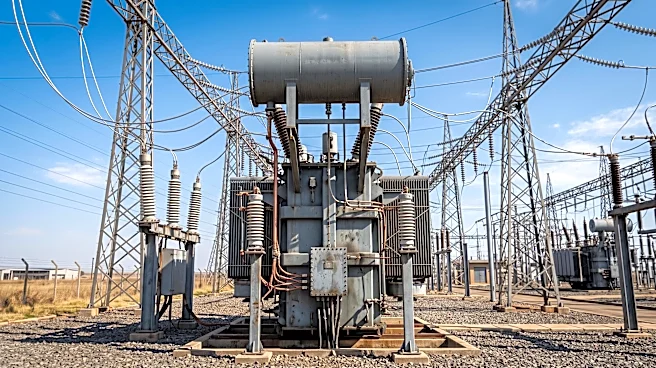
A pivotal player in South Africa's energy infrastructure development is seeking a highly skilled Senior Grid Modernization Engineer for its operations in Pretoria, Gauteng. This role is instrumental in the planning, design, and implementation of initiatives
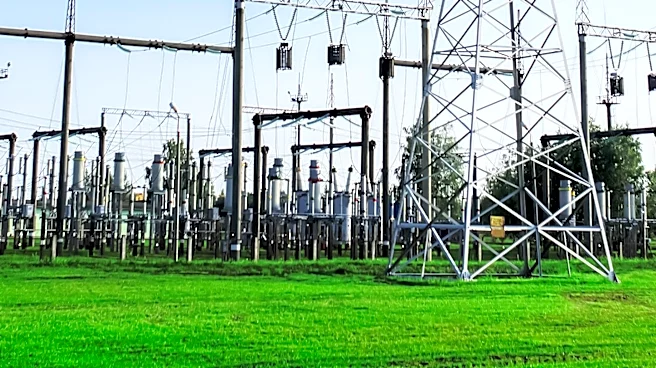
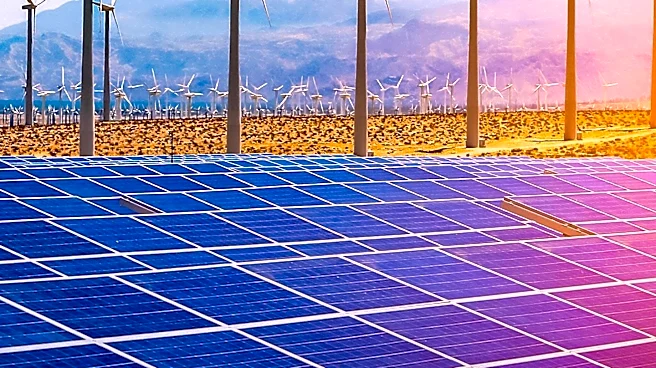
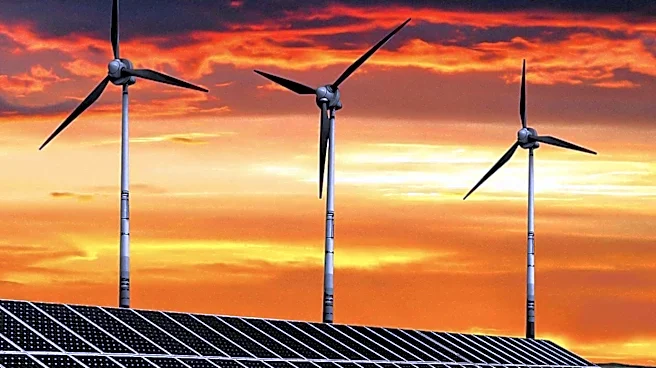
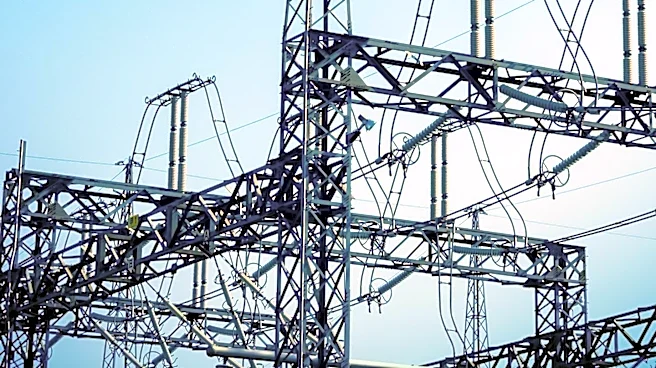
aimed at upgrading and modernizing the national electricity grid. The engineer will focus on integrating advanced technologies, enhancing grid resilience, and improving operational efficiency to meet the demands of a changing energy landscape. Key responsibilities include leading grid modernization projects, assessing existing infrastructure, designing and implementing advanced metering infrastructure (AMI), distribution automation (DA), and supervisory control and data acquisition (SCADA) systems. The position also involves conducting grid impact studies for renewable energy integration and developing technical specifications for new equipment and software.
Why It's Important?
While this specific job opening is in South Africa, it reflects a global trend in the critical need for grid modernization, which has significant implications for the U.S. energy sector. The challenges faced by South Africa's grid—integrating advanced technologies, enhancing resilience, and accommodating renewable energy—are mirrored in the U.S. The demand for skilled engineers in this field underscores the complexity and importance of upgrading aging infrastructure to meet modern energy demands. For the U.S., this highlights the necessity of investing in similar expertise and technologies to ensure a stable, efficient, and sustainable power supply. The integration of smart grid technologies, AMI, DA, and SCADA systems is crucial for improving grid reliability, reducing outages, and facilitating the transition to a cleaner energy future, impacting everything from consumer costs to national energy security.
What's Next?
The recruitment of a Senior Grid Modernization Engineer indicates a strategic commitment to transforming South Africa's power grid. This role will directly contribute to the adoption of smart grid technologies and ensure the grid's capacity to handle increasing renewable energy penetration. The successful candidate will oversee the implementation, testing, and commissioning of new grid technologies, collaborate with various stakeholders, and manage project budgets and timelines. This initiative is part of a broader effort to ensure reliable and sustainable energy delivery across Gauteng and potentially the nation. The experience gained and technologies implemented in such roles globally can inform and accelerate similar grid modernization efforts in the U.S., fostering international best practices and technological advancements.
Beyond the Headlines
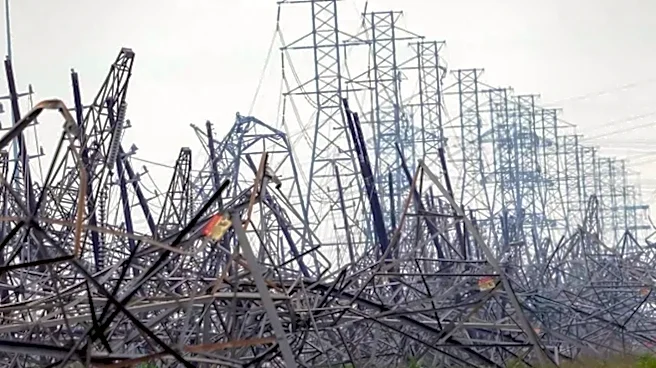
The global demand for grid modernization engineers signifies a fundamental shift in the energy industry worldwide. It underscores the recognition that traditional, centralized power grids are no longer sufficient to meet the demands of the 21st century, characterized by distributed energy resources, electric vehicles, and increasing climate volatility. The ethical dimension involves ensuring that these modernization efforts lead to equitable access to reliable and affordable energy, particularly in underserved communities. Culturally, it represents a move towards a more technologically integrated and data-driven approach to energy management. The long-term implications for the U.S. include the need for a robust pipeline of skilled engineers and technicians, significant public and private investment in infrastructure, and adaptive regulatory frameworks to support this complex and ongoing transformation of the national electric grid.