


What's Happening?
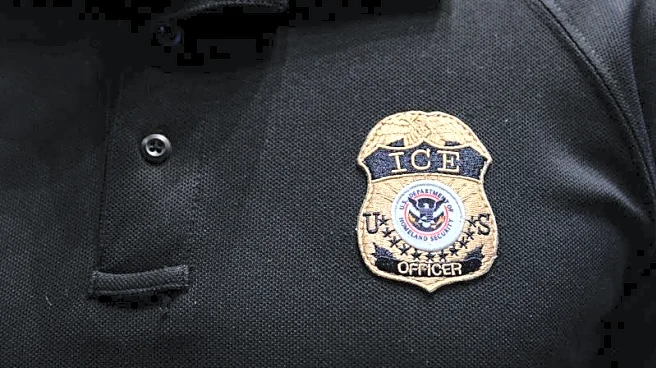
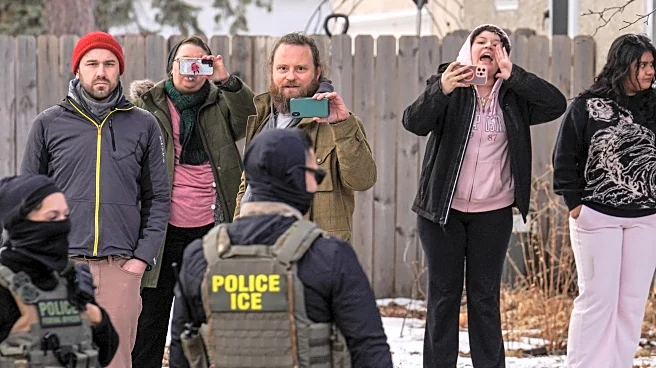
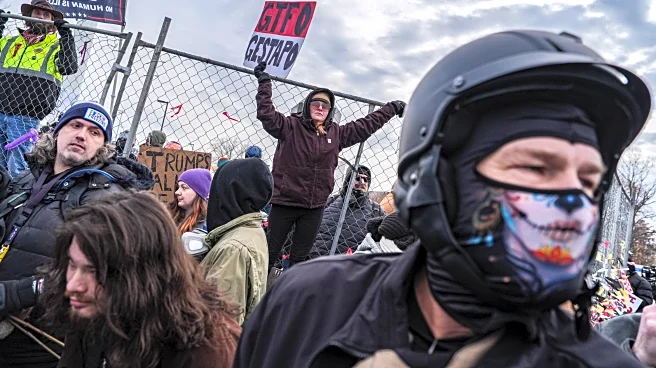
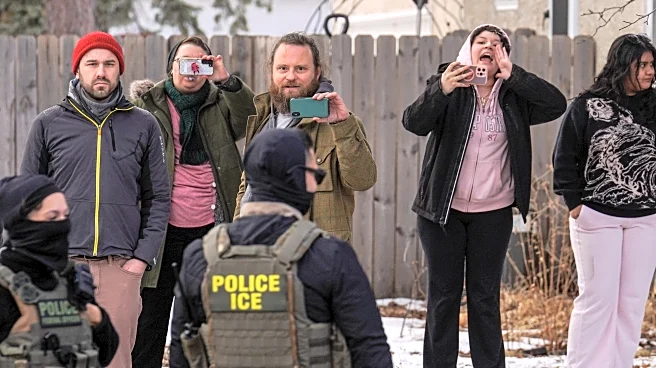
In Minnesota, U.S. troops have been placed on alert due to ongoing protests against Immigration and Customs Enforcement (ICE) activities. Jill Garvey, the executive director of States at the Core, has highlighted the ICE Watch programs and expressed concerns
regarding the rights of detainees. The protests have been sparked by actions perceived as aggressive by ICE, leading to heightened tensions in the area. The potential deployment of active-duty troops has raised alarms among civil rights advocates who fear that such measures could infringe on the rights of protesters and detainees alike. The situation remains tense as local authorities and federal agencies navigate the complexities of maintaining order while respecting civil liberties.
Why It's Important?
The alert status of U.S. troops in Minnesota underscores the escalating tensions surrounding immigration enforcement in the United States. The involvement of military forces in domestic protests is a contentious issue, as it raises questions about the balance between national security and civil rights. The potential deployment of troops could set a precedent for how similar situations are handled in the future, impacting public perception of government responses to civil unrest. Additionally, the focus on detainee rights highlights ongoing debates about the treatment of immigrants and the role of ICE in enforcing immigration laws. This situation could influence future policy decisions and legislative actions regarding immigration enforcement and civil liberties.
What's Next?
If active-duty troops are deployed, it could lead to increased scrutiny from civil rights organizations and potentially spark further protests. Lawmakers may be prompted to address the concerns raised by activists and consider legislative measures to ensure the protection of detainee rights. The situation may also lead to discussions at the federal level about the appropriate use of military forces in domestic situations. Stakeholders, including local government officials, civil rights groups, and federal agencies, will likely engage in dialogue to find a resolution that addresses both security concerns and the protection of civil liberties.