







What's Happening?
Pennsylvania American Water has issued a request for approximately 23,000 customers in parts of Lancaster and Chester counties to reduce their water usage by 10 to 15%. This request impacts communities including Christiana and Quarryville boroughs, as well
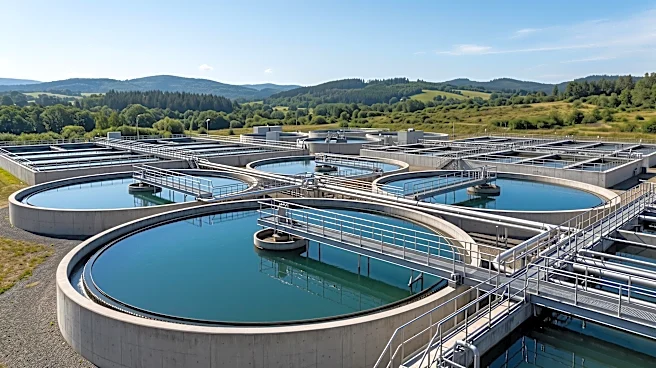
as Bart, Colerain, Eden, and Sadsbury townships. The utility states that recent weather-related changes in local water sources have complicated the treatment process at its plant, necessitating the conservation effort. The specific nature of the weather-related changes and the complications they pose to the treatment process were not detailed, but the immediate need is for a reduction in demand to manage the current supply and treatment capabilities.
Why It's Important?
This water usage reduction request highlights the vulnerability of local water systems to environmental factors and weather patterns, even in regions not typically associated with severe drought. For the affected communities in Lancaster and Chester counties, a 10-15% reduction in water usage could impact daily routines for residents and potentially operational practices for local businesses that rely heavily on water. It underscores the importance of robust water infrastructure and adaptable treatment processes to handle fluctuating source water conditions. The situation also serves as a reminder of the interconnectedness between environmental changes and essential public services, potentially prompting discussions on water conservation strategies and infrastructure resilience in other areas facing similar challenges.
What's Next?
Customers in the specified areas are expected to adhere to the voluntary reduction request. Pennsylvania American Water will likely continue to monitor water source conditions and treatment plant operations. The duration of this request was not specified, suggesting it will remain in effect until the weather-related complications to the water treatment process are resolved or mitigated. The utility may provide further updates on the situation, including any changes to the request or additional measures if conditions worsen or improve. This event could also lead to increased public awareness campaigns about water conservation and the factors affecting local water supplies.
Beyond the Headlines
The incident in Lancaster and Chester counties points to a broader challenge faced by water utilities across the U.S.: adapting to increasingly unpredictable weather patterns and their impact on water quality and availability. While this request is localized, it reflects a growing need for long-term planning and investment in water infrastructure that can withstand and adapt to climate variability. It also brings to light the often-overlooked complexities of water treatment, where changes in source water quality due to weather can significantly affect operational efficiency and the cost of delivering potable water. This situation could prompt a re-evaluation of water management policies and encourage greater public engagement in water stewardship.