



What's Happening?
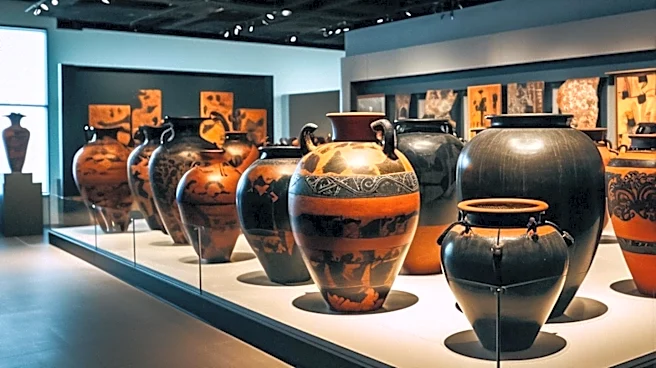
Seven rural museums in Moldova are undergoing a digitization project, 'Muzee de la sat,' to create virtual 3D tours and digital galleries of their collections. A team of specialists is meticulously documenting unique exhibits and cultural artifacts from
various districts including Ungheni, Călărași, Orhei, Edineț, Soroca, Sânzerei, and a village museum in Chișinău. The initiative aims to preserve and promote rural cultural heritage using 3D technology. This project is a transnational effort, building on the success of the Museum of History and Ethnography in Slobozia Mare, which became one of the country's top digital museums. The National Tourism Office, in partnership with the 'Muzee de la sat' platform and with support from the Ministry of Economic Development and Digitalisation, is implementing this phase.
Why It's Important?
The digitization of Moldova's rural museum collections is important for several reasons. Firstly, it makes regional cultural heritage visible and accessible to a global audience, overcoming geographical barriers that might prevent physical visits. This increased accessibility can boost cultural tourism by allowing potential visitors and tour guides to explore collections in advance, thereby encouraging the inclusion of smaller museums in national sightseeing itineraries. Secondly, it ensures the long-term preservation of cultural artifacts and traditional knowledge, safeguarding them against deterioration or loss. The use of 3D technology provides a detailed and interactive way to experience these collections, enriching the understanding of Moldova's identity and history for both local and international audiences. This initiative also sets a precedent for other nations looking to leverage technology for cultural preservation and promotion.
What's Next?
The 'Muzee de la sat' project is expected to continue expanding its reach, potentially incorporating more rural museums across Moldova and possibly other regions. The organizers emphasize that these interactive 3D tours are intended to complement, rather than replace, personal visits, serving as a 'showcase and an invitation.' Future phases may involve further technological advancements to enhance the virtual experience, such as augmented reality features or more in-depth educational content. The success of this project could also inspire similar initiatives in other countries with rich, yet less accessible, rural cultural heritage. Continued collaboration between national tourism offices, cultural platforms, and government ministries will be crucial for the sustained growth and impact of such digitization efforts.
Beyond the Headlines
Beyond the immediate benefits of accessibility and preservation, the digitization of cultural heritage carries deeper implications. It democratizes access to knowledge and culture, allowing individuals from diverse backgrounds to engage with historical artifacts and narratives. This can foster a greater appreciation for cultural diversity and shared human history. Furthermore, the project highlights the evolving role of museums in the digital age, transforming them from static repositories into dynamic, interactive platforms. It also raises questions about digital curation, intellectual property rights in the digital realm, and the potential for new forms of cultural exchange and education. The initiative underscores the ethical responsibility of institutions to make cultural heritage broadly available while maintaining its integrity and authenticity in a digital format.