






What's Happening?
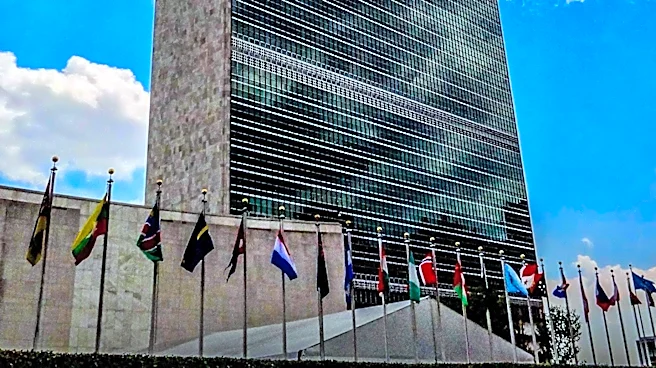
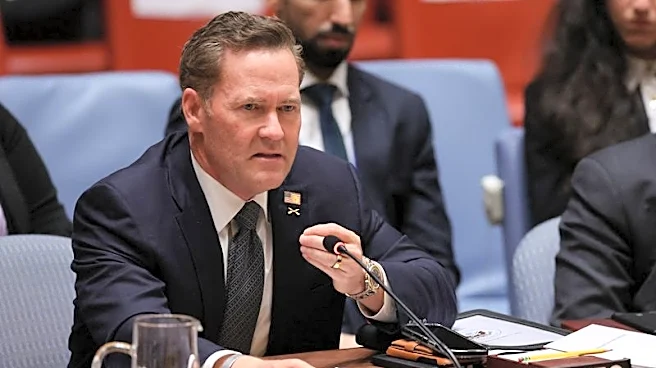
The European Union, in a statement to the UN General Assembly's 3rd Committee, emphasized the critical role of the Human Rights Council in addressing global human rights challenges. The statement, delivered by H.E. Ambassador Stavros Lambrinidis, Head
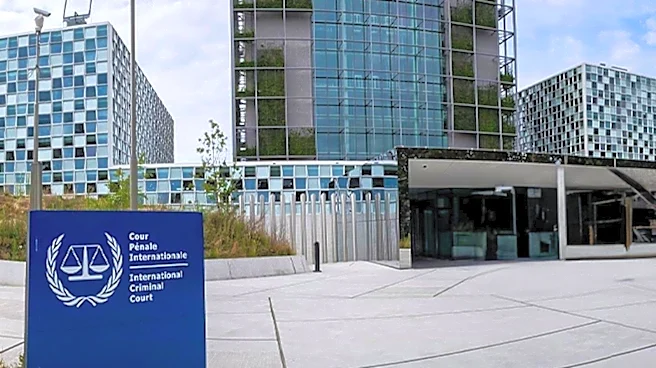
of the EU Delegation to the United Nations, marked twenty years since the Council's first session. It acknowledged that while the Council cannot resolve all challenges alone, it is essential for early warning, documenting violations, ensuring victims are heard, and promoting accountability. The EU highlighted the Council's instruments, including the Universal Periodic Review, Special Procedures, and investigative mechanisms, as vital for advancing human rights worldwide. The statement also stressed the importance of addressing emerging issues such as the human rights implications of artificial intelligence and digital technologies, and reaffirmed unwavering support for the international criminal justice system, including the International Criminal Court.
Why It's Important?
This statement underscores the ongoing commitment of the European Union and its member states to the multilateral human rights system, which has significant implications for global human rights discourse and, indirectly, for U.S. foreign policy and domestic human rights considerations. By emphasizing accountability and the fight against impunity, the EU's stance reinforces international norms that can influence how the U.S. approaches human rights issues in its own foreign relations and domestic policies. The focus on emerging challenges like AI and digital technologies highlights a growing international consensus on the need to regulate these areas to protect fundamental freedoms, which could inform U.S. legislative and regulatory efforts. Furthermore, the strong support for the International Criminal Court, despite the U.S. not being a signatory, signals a continued push for international justice that may create diplomatic pressures or influence global legal frameworks that the U.S. operates within.
What's Next?
The EU's continued advocacy for a strong Human Rights Council suggests ongoing efforts to strengthen its mechanisms and ensure adequate funding. This will likely involve further resolutions and initiatives aimed at addressing specific human rights situations globally, as well as thematic issues like digital rights. The EU will continue to push for the implementation of recommendations from the Universal Periodic Review and other Council mechanisms, urging all states, including the U.S., to cooperate fully. Discussions around the human rights implications of AI and digital technologies are expected to intensify, potentially leading to international guidelines or frameworks that could influence technological development and regulation worldwide. The EU's unwavering support for the International Criminal Court indicates that it will continue to advocate for its independence and integrity, potentially leading to further international pressure on countries that do not fully cooperate with the court.
Beyond the Headlines
The EU's statement reflects a broader geopolitical context where human rights are increasingly intertwined with global stability and security. The emphasis on early warning and accountability mechanisms suggests a proactive approach to preventing conflicts and addressing root causes of instability, which has direct implications for international peace and security. The inclusion of artificial intelligence and digital technologies as key human rights concerns points to a future where technological governance will be a central battleground for human rights. This raises profound ethical questions about data privacy, algorithmic bias, and the potential for surveillance, requiring a global dialogue on how to harness technology for good while mitigating its risks. The continued support for international criminal justice institutions highlights the enduring tension between national sovereignty and universal human rights, pushing for a global legal order where perpetrators of grave human rights violations are held accountable, regardless of their national affiliation.