





What's Happening?
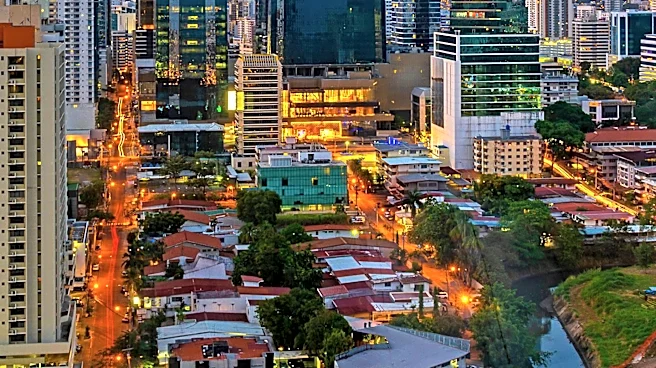
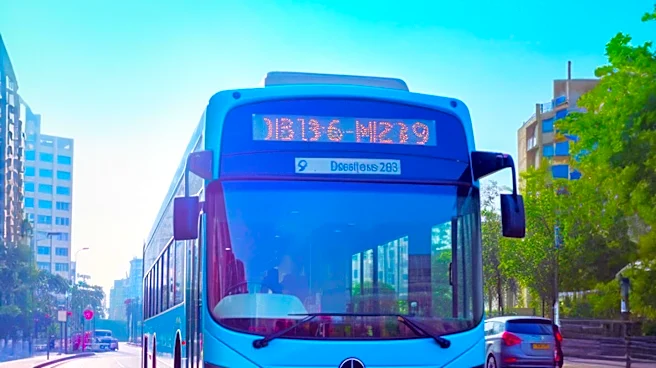
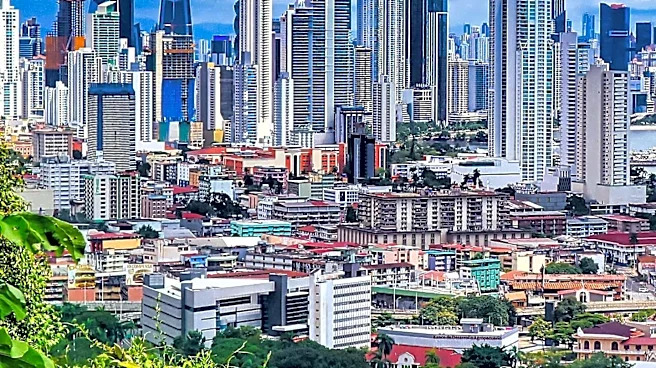
Panama North, a rapidly growing area of the capital, is experiencing significant challenges with its public transportation system. Residents face long queues, overcrowding, multiple transfers, and extended waiting times, particularly during evening commutes.
This situation is exacerbated by the area's substantial population increase, with approximately 56,000 new inhabitants over the last decade, averaging over 5,600 additional people annually. The current infrastructure, including the Villa Zaita Metro station, struggles to accommodate the daily movement of around 100,000 passengers from Panama North. Users report issues with night service and instances of overcharging for fares. Mobility experts attribute these problems to urban planning deficiencies and the rapid expansion of peripheral areas without corresponding development in essential public services and transportation alternatives. The lack of adequate public transport not only impacts commuting efficiency but also reduces the time residents can spend with their families.
Why It's Important?
The public transportation crisis in Panama North highlights a critical issue in urban development: the failure of infrastructure and services to keep pace with rapid demographic expansion. This situation has direct implications for the quality of life of thousands of residents, affecting their daily routines, access to employment and education, and overall well-being. The inefficiency of the transport system can lead to increased stress, lost productivity, and potential safety concerns for those commuting late at night. Furthermore, the strain on public services extends beyond transportation, as the region also lacks a regional hospital, forcing residents to travel to other parts of the city or even to Colón for specialized medical emergencies. This imbalance between population growth and service provision can hinder economic development and social equity in the affected areas, creating a cycle of disadvantage for its inhabitants.
What's Next?
Addressing the public transportation challenges in Panama North will likely require a multi-faceted approach involving urban planners, government agencies, and transportation authorities. Immediate steps could include increasing the frequency and coverage of bus routes, especially during off-peak and night hours, and implementing stricter controls on fare collection to prevent overcharging. In the medium to long term, there is a clear need for comprehensive urban planning that integrates population growth projections with infrastructure development, including the expansion of the Metro system and the creation of new transportation hubs. The development of a regional hospital is also crucial to alleviate the burden on existing healthcare facilities and improve emergency response times for the growing population. Continued monitoring of passenger flow and user feedback will be essential to adapt and improve services effectively.
Beyond the Headlines
The struggles faced by residents in Panama North underscore broader issues of sustainable urban development and social equity. The rapid, unplanned growth of urban peripheries often leads to the marginalization of communities, as they are left with inadequate access to essential services. This situation can exacerbate social inequalities, as those with fewer resources are disproportionately affected by inefficient public transport and limited access to healthcare. The reliance on private vehicles due to poor public transport can also contribute to increased traffic congestion and environmental pollution, creating a negative feedback loop. Addressing these challenges requires a holistic approach that prioritizes inclusive urban planning, investment in public infrastructure, and policies that ensure equitable access to services for all residents, regardless of their location within the metropolitan area. The case of Panama North serves as a stark reminder of the human cost of unchecked urban expansion.