






What's Happening?
Researchers at the Technical University of Munich (TUM) have developed a process to produce amino acids from carbon dioxide, hydrogen, and renewable energy. This innovative approach aims to address global food security challenges by creating protein building
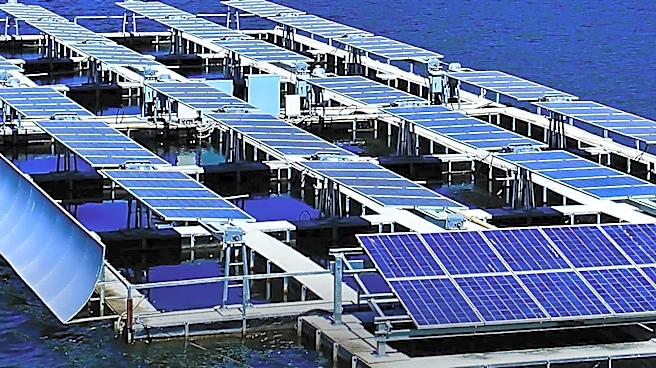
blocks more sustainably. The process involves converting solar energy into electricity, which is then used to generate hydrogen. This hydrogen, combined with carbon dioxide, is converted into methanol, which specialized enzymes transform into amino acids. The team successfully produced several amino acids, including glycine and serine, demonstrating the potential for this technology to reduce reliance on traditional protein-rich feed ingredients like soy.
Why It's Important?
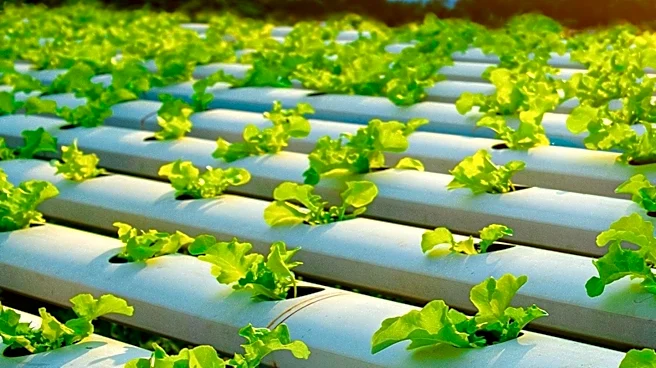
This development is crucial as it offers a sustainable alternative to conventional protein production, which often involves significant land and resource use. By utilizing renewable energy and carbon dioxide, the process could help meet the growing global demand for protein while minimizing environmental impact. The technology has potential applications beyond agriculture, including cultured meat production, which could further reduce the environmental footprint of protein production. This innovation aligns with global efforts to enhance food security and sustainability, offering a promising solution to the challenges posed by limited agricultural land and increasing food demand.
What's Next?
The researchers are working to improve the performance of the enzymes involved in the process to increase production volumes for commercial use. As the technology advances, it could become a viable alternative to traditional protein production methods, potentially transforming the agricultural and food industries. The team plans to continue refining the process and exploring additional applications for the amino acids produced. This ongoing research could lead to broader adoption of the technology, contributing to more sustainable food systems worldwide.