





What's Happening?
The European Commission's Directorate-General for European Civil Protection and Humanitarian Aid Operations (DG ECHO) is actively recruiting a Regional Logistics Coordinator. This Technical Assistant position will be based in Amman, Jordan, and will be responsible
for supporting humanitarian field offices across the Middle East and North Africa (MENA) region, Ukraine, and Türkiye. Key responsibilities for this role include coordinating logistics operations, managing procurement, and overseeing field office management. The coordinator will also be tasked with developing logistics procedures, strengthening emergency preparedness, and providing training and support to national staff in regional field offices. Additionally, the role involves offering operational support during humanitarian emergencies and evolving crises. The position requires at least five years of experience in logistics management and procurement within humanitarian field operations, with a minimum of three years of humanitarian experience outside the EU and other industrialized countries. Candidates must possess excellent English proficiency (C1) and knowledge of a second humanitarian language such as French, Spanish, Arabic, or Russian. The application deadline for this role is November 22, 2026, with an expected start date of April 1, 2027.
Why It's Important?
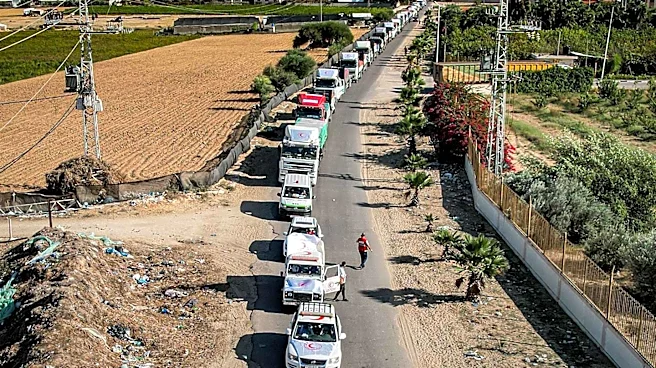
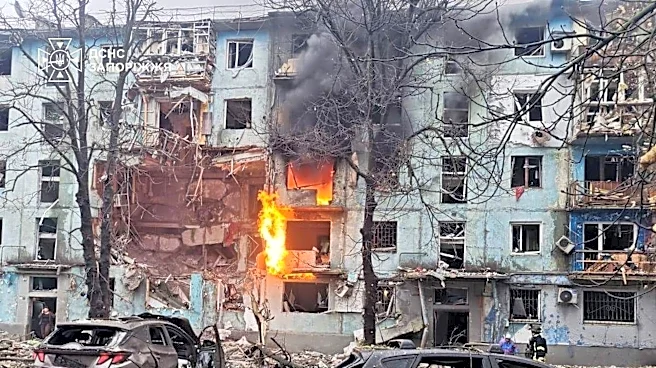
This recruitment highlights the ongoing and critical need for robust logistical support in complex humanitarian environments. The focus on the MENA region, Ukraine, and Türkiye underscores areas experiencing significant humanitarian crises, where efficient aid delivery is paramount. A skilled Regional Logistics Coordinator is crucial for optimizing the flow of essential supplies, equipment, and personnel, directly impacting the effectiveness and reach of humanitarian interventions. This role ensures that aid organizations can respond swiftly and effectively to emergencies, manage resources efficiently, and maintain operational continuity in challenging conditions. The emphasis on emergency preparedness and staff training also signifies a proactive approach to building local capacities and resilience, which is vital for sustainable humanitarian action. Without strong logistical coordination, aid efforts can be hampered by delays, resource misallocation, and operational inefficiencies, ultimately affecting the lives of vulnerable populations. The EU's investment in this role reflects a commitment to strengthening its humanitarian response capabilities in these critical regions.
What's Next?
Following the application deadline on November 22, 2026, DG ECHO will proceed with the selection process for the Regional Logistics Coordinator. The successful candidate is expected to commence their duties on April 1, 2027, with an initial one-year contract that is renewable for up to four years. Once appointed, the coordinator will immediately begin to streamline logistics, procurement, and field office management across the designated regions. This will involve implementing new procedures, enhancing existing systems, and providing hands-on support to local teams. The role will also focus on strengthening emergency preparedness measures, which will be crucial for future humanitarian responses in these volatile areas. The coordinator will work closely with various humanitarian partners and field offices to ensure a coordinated and efficient approach to aid delivery. The long-term goal is to improve the overall effectiveness and sustainability of EU-funded emergency operations in the MENA region, Ukraine, and Türkiye.
Beyond the Headlines
The establishment of this role reflects a broader trend in humanitarian aid towards professionalization and strategic logistical planning. The requirement for extensive experience in complex environments underscores the increasing challenges faced by aid organizations, including conflict, displacement, and natural disasters. This position also highlights the growing importance of regional coordination hubs, such as Amman, in facilitating cross-border humanitarian efforts. The emphasis on training national staff suggests a commitment to localization, empowering local actors to take a more prominent role in humanitarian response. Furthermore, the mention of EU procurement knowledge as an asset indicates the intricate regulatory frameworks governing international aid, requiring specialized expertise. This role is not just about moving goods; it's about building resilient systems and fostering effective partnerships to address protracted crises and ensure that aid reaches those most in need, navigating geopolitical complexities and operational hurdles.