





What's Happening?
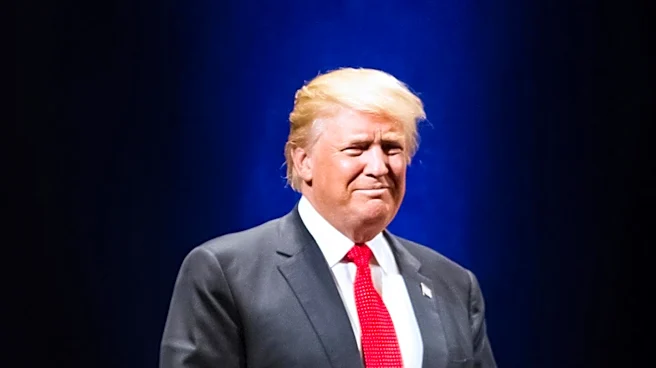
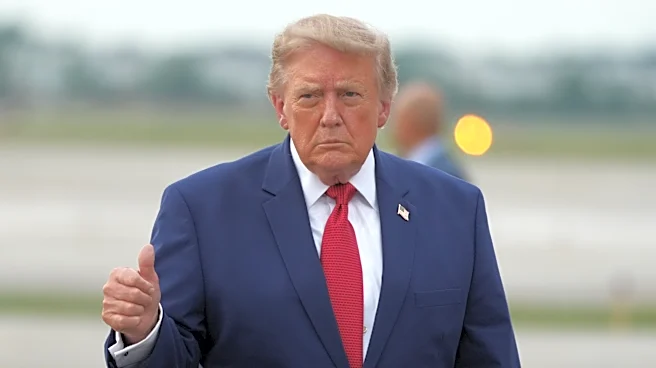
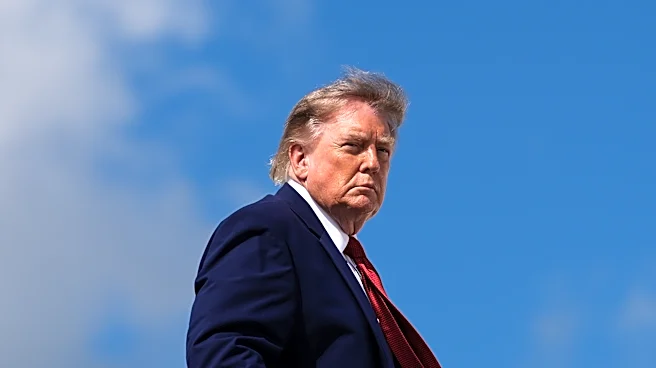
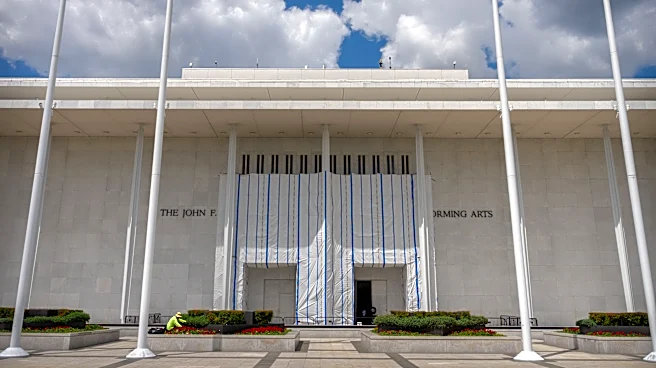
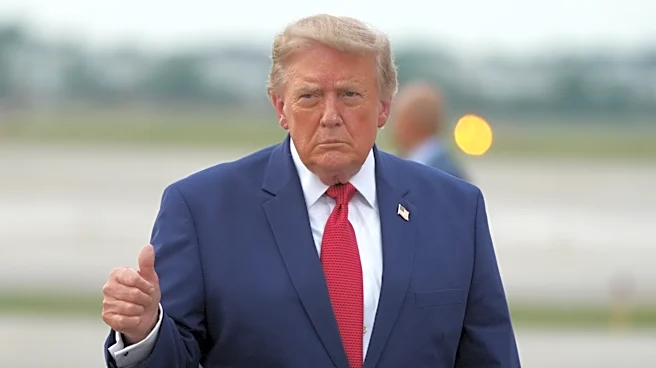
The Kennedy Center board, appointed by President Trump, has voted to partially close the arts center for up to two years for renovations and to re-add President Trump's name to the building's facade. This decision follows a May court order mandating the center to remain
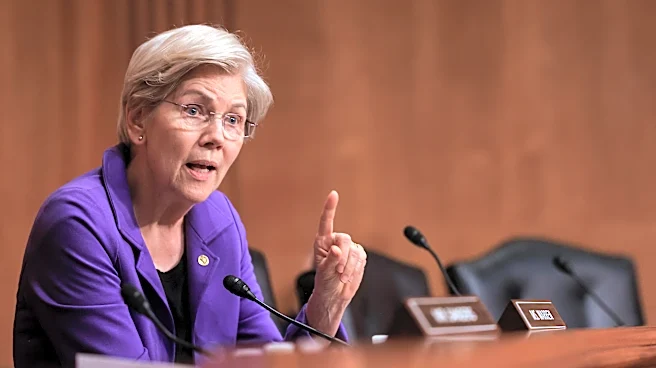
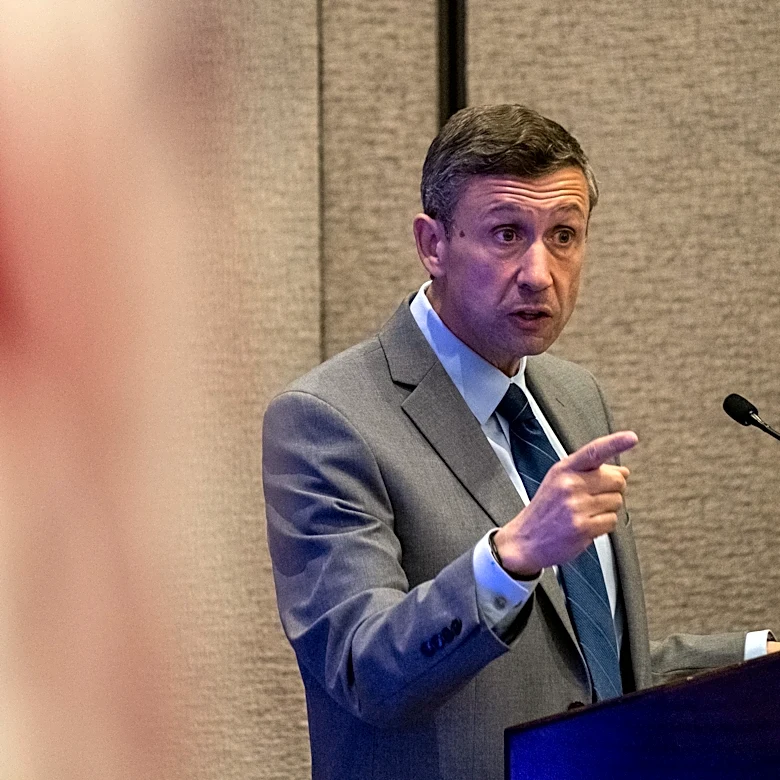
a memorial to President John F. Kennedy. The board voted 20-3 to rename the building 'The John F. Kennedy Center for the Performing Arts Restored and Renovated by President Donald J. Trump' and the location to 'President Donald J. Trump Plaza.' Commerce Secretary Howard Lutnick proposed the name change. President Trump, who appointed himself chairman of the board last year, briefly joined the virtual meeting. The three dissenting votes came from ex officio congressional members: Rep. Joyce Beatty, Sen. Sheldon Whitehouse, and Rep. Rick Larsen.
Why It's Important?
This decision is significant as it reflects ongoing tensions between the Trump administration and those who oppose the renaming of the Kennedy Center. The move to re-add Trump's name has sparked criticism, particularly from those who view it as an attempt to circumvent a court ruling that emphasized the center's role as a memorial to President Kennedy. The partial closure of the center could impact its operations, including performances by the National Symphony Orchestra, which may need to find alternative venues. The decision also highlights broader debates about the preservation of historical memorials and the influence of political figures on cultural institutions.
What's Next?
The board's decision may face further legal challenges, as attorneys for Rep. Beatty have indicated that the renaming effort appears to defy a judge's ruling. The court had previously blocked the center's closure and ordered the removal of Trump's name. The board is required to provide a financial plan to justify the closure, and the ongoing legal and public scrutiny may influence future decisions. The National Symphony Orchestra and other stakeholders will need to navigate the logistical challenges posed by the partial closure.
Beyond the Headlines
The renaming and partial closure of the Kennedy Center raise questions about the role of political influence in cultural institutions. The decision could set a precedent for how historical memorials are managed and renamed, potentially leading to further debates about the preservation of cultural heritage. The controversy also underscores the complexities of balancing political interests with the center's mission as a living memorial to President Kennedy.