







What's Happening?
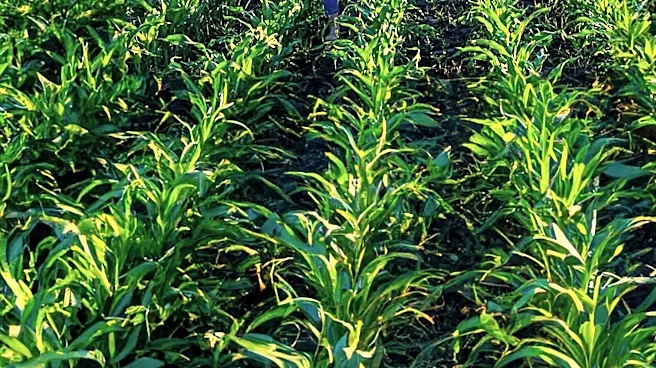
U.S. Representative Angie Craig recently held a round-table discussion with farmers in Marshall, Minnesota, to address pressing agricultural challenges. The farmers expressed concerns over tariffs, labor shortages, and the high costs associated with entering
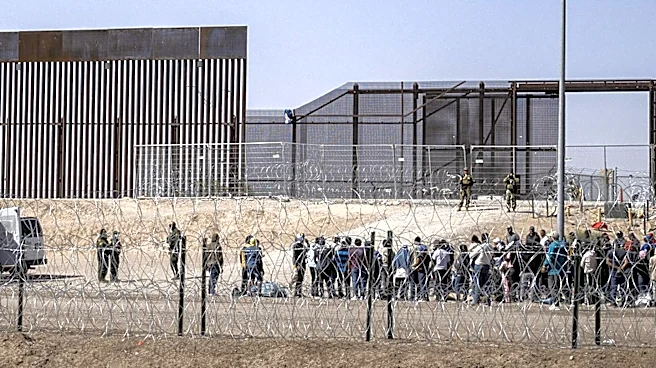
the farming industry. Craig, who is a ranking member of the House Agriculture Committee, emphasized her commitment to expanding export and domestic markets for farmers, regardless of the political party in power. She highlighted the importance of bipartisan cooperation, noting her work with Republican Chairman GT Thompson on agricultural issues. Craig also voiced support for comprehensive immigration reform, advocating for legal status for immigrants who have contributed to the agricultural sector and obeyed U.S. laws.
Why It's Important?
The discussion underscores the significant impact of tariffs and labor issues on the agricultural sector, which is a critical component of the U.S. economy. Farmers are facing increased financial pressures, and the need for a stable workforce is crucial for maintaining productivity. Craig's advocacy for immigration reform and market expansion could potentially alleviate some of these pressures, providing a more sustainable future for family farmers. The bipartisan approach she promotes is essential for passing effective legislation that addresses these complex issues. The outcome of these discussions and potential legislative changes could significantly affect the livelihoods of farmers and the broader agricultural industry.
What's Next?
As the Senate works on its version of the farm bill, continued bipartisan efforts will be crucial in shaping policies that support farmers. Craig's engagement with farmers and her collaboration with Republican leaders suggest a potential path forward for addressing agricultural challenges. The upcoming elections could also influence the legislative landscape, as a shift in control of the House and Senate might provide Democrats with a stronger negotiating position to implement reforms. Stakeholders in the agricultural sector will likely continue to advocate for policies that support market expansion and labor stability.