

What's Happening?
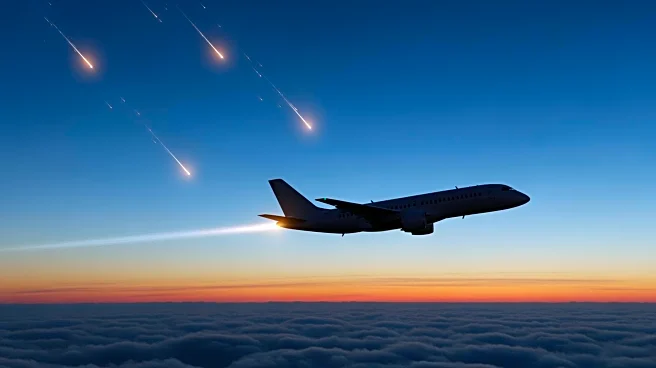
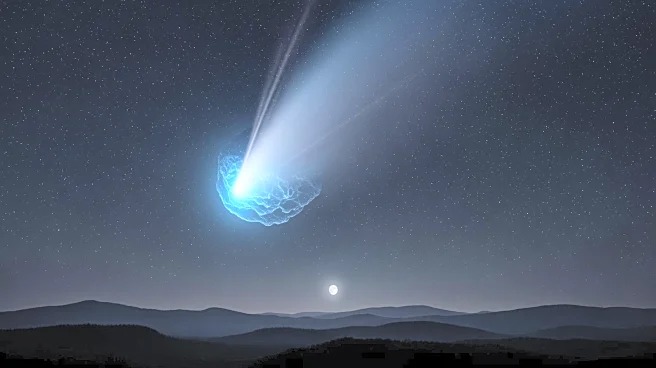
The aviation industry is grappling with the rising threat of space debris re-entering Earth's atmosphere, which poses a potential collision risk with aircraft. According to a report, debris from rockets and defunct satellites falls into the atmosphere approximately
once a week. While most debris burns up, some can descend to altitudes where aircraft operate. The probability of a collision is low, but the increasing frequency of re-entries due to expanded satellite constellations and space activities is a growing concern. Real-world incidents, such as the 2022 Long March 5B rocket re-entry, have already led to airspace closures.
Why It's Important?
The increasing threat of space debris highlights the need for improved safety measures in the aviation industry. As satellite launches and space activities continue to grow, the risk of debris affecting air travel becomes more significant. This situation underscores the importance of international cooperation and the development of accurate prediction models to manage airspace effectively. The aviation industry must balance safety with operational efficiency, which may involve closing airspace during potential debris re-entries. Addressing this issue is crucial for maintaining public confidence in air travel safety.
What's Next?
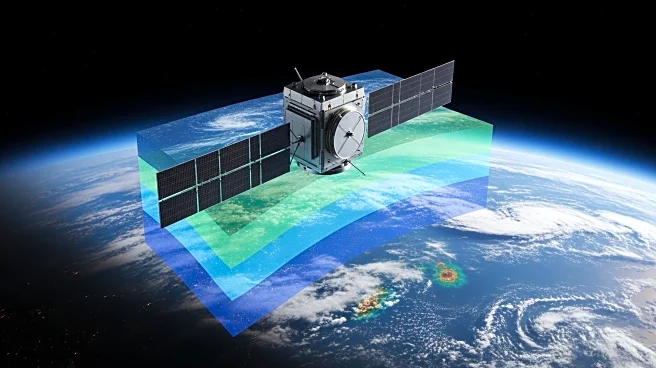
Efforts are underway to enhance the accuracy of re-entry predictions and develop models to assess collision risks quantitatively. The European Space Agency's upcoming DRACO mission aims to study how satellites disintegrate during re-entry, which could improve prediction models. International cooperation between aviation authorities and space agencies is essential to establish criteria for airspace management during debris re-entries. As the space industry continues to expand, ongoing research and collaboration will be vital in mitigating the risks posed by space debris to aviation safety.