


What's Happening?
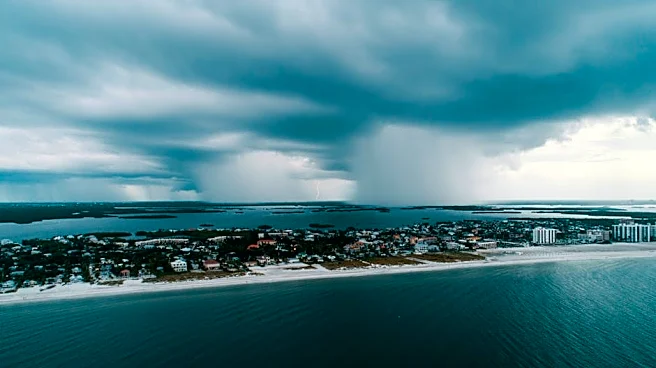
Meteorologists are warning that drought conditions in Florida and the Southeast could exacerbate the dangers posed by hurricanes in the upcoming season. Despite predictions of a below-average hurricane season due to the expected development of El Niño,
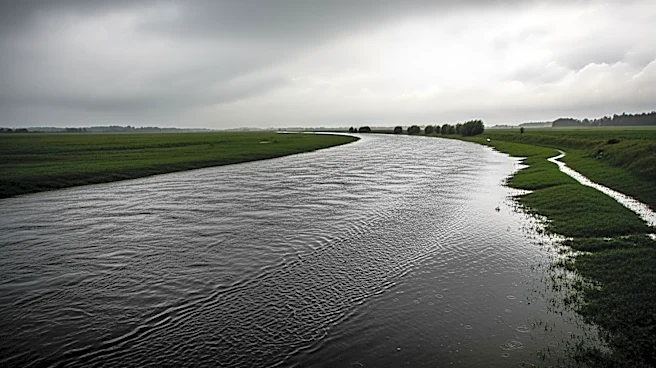
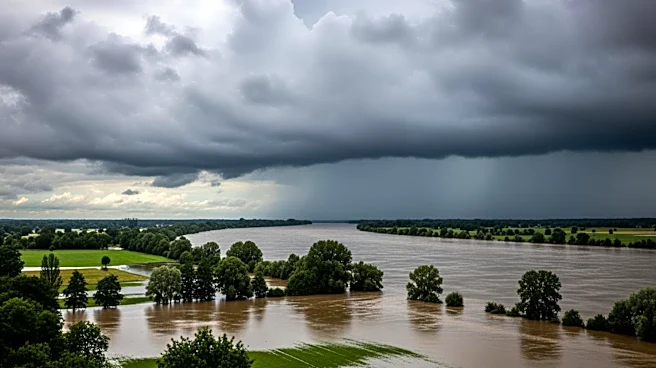
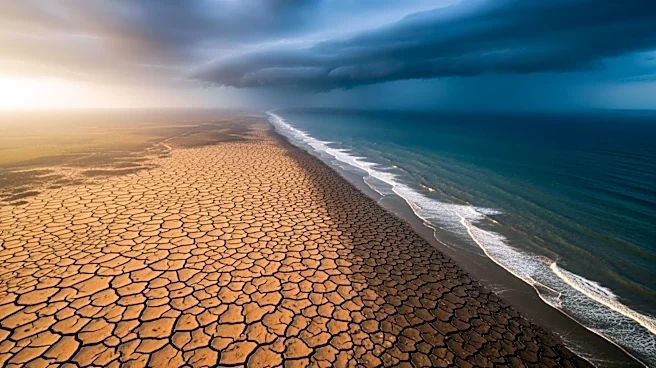
experts caution that even a single storm could have severe consequences if it makes landfall in a drought-stricken area. The U.S. Drought Monitor reports that 64% of Florida and 56% of Georgia are experiencing extreme to exceptional drought, which has left landscapes parched and increased wildfire risks. Drought-hardened soil and wildfire burn scars can lead to rapid runoff and flash flooding during heavy rains, compounding the potential for damage.
Why It's Important?
The combination of drought conditions and potential hurricanes poses a significant threat to Florida and the Southeast. Drought-stressed trees and vegetation are more vulnerable to strong winds, increasing the risk of property damage and power outages. The hardened soil is less capable of absorbing rainfall, leading to a higher likelihood of flash flooding. This situation underscores the importance of preparedness and the need for residents to remain vigilant, even during a predicted quieter hurricane season. The economic and social impacts could be substantial, affecting infrastructure, agriculture, and local communities.
What's Next?
As the Atlantic hurricane season approaches, forecasters are closely monitoring the Gulf and the southwestern Atlantic for potential tropical storm development. Residents are urged to prepare for the possibility of severe weather, despite the current dry conditions. The National Hurricane Center is not expecting tropical activity in the Atlantic basin in the immediate future, but the situation could change rapidly. Authorities and emergency services are likely to increase their readiness to respond to any storms that may develop.