







What's Happening?
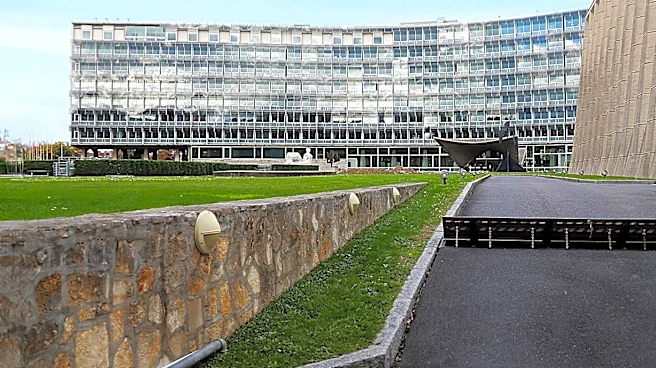
UNESCO is calling for Mexico to pair its school screen regulation efforts with robust digital literacy, monitoring, and evaluation processes. This recommendation was made by UNESCO Representative in Mexico, Andrés Morales, at the South-Central Regional
Forum “La vida frente a la pantalla.” Morales emphasized that while regulating mobile device use in schools, as agreed upon by Mexico’s Ministry of Public Education (SEP) and the National Council of Education Authorities (Conaedu), is a positive step, it must be complemented by broader digital education. The goal is to ensure technology genuinely supports the right to education, is pedagogically relevant, and ethically responsible. UNESCO highlights that technology can be crucial for inclusion, particularly for students with disabilities, those unable to attend school regularly, or for developing educational content in Indigenous languages. The organization points to historical examples like 'telesecundarias' (televised junior-high schools) in Mexico, which significantly increased access to education through early screen technology.
Why It's Important?
This initiative is important because it addresses the complex challenge of integrating technology into education responsibly. While many countries are implementing regulations on mobile phone use in schools, a significant gap exists in comprehensive digital literacy education. Only 43% of countries have integrated Media and Information Literacy (MIL) into their national curricula, and even fewer have substantive, standalone MIL policies. This deficiency leaves populations vulnerable to issues like online disinformation, which concerns 85% of global citizens. By advocating for a holistic approach, UNESCO aims to equip Mexican students and society with the skills to understand how technologies and platforms function and their broader impacts. This can foster a more informed and resilient populace, capable of navigating the digital world critically and ethically, thereby reducing the negative consequences of unchecked technology use and maximizing its educational benefits.
What's Next?
UNESCO will continue to support Mexico’s Ministry of Public Education (SEP) in developing and implementing these comprehensive strategies. This support will extend beyond specific guidelines to include the integration of digital, algorithmic, media, and information literacy (MIL) processes into the educational framework. The aim is for society as a whole to gain a deeper understanding of technological operations and their societal impacts. Future steps may involve developing new curricula, teacher training programs, and public awareness campaigns to enhance digital competencies across different educational levels. The success of these efforts could serve as a model for other nations grappling with similar challenges in balancing technological integration with educational well-being and digital citizenship.
Beyond the Headlines
The push for comprehensive digital literacy alongside screen regulation in Mexico touches upon deeper ethical and societal implications. It highlights the evolving nature of education, where traditional literacy must now be augmented with digital fluency. The initiative implicitly acknowledges that simply restricting technology use is insufficient; true empowerment comes from understanding and critically engaging with it. This approach could lead to a more equitable digital society, where access to technology is paired with the knowledge to use it safely and productively, bridging digital divides and fostering informed participation. It also underscores the responsibility of educational systems to prepare citizens not just for the job market, but for active and critical engagement in an increasingly digital world, addressing concerns about misinformation, privacy, and ethical AI use.