


What's Happening?
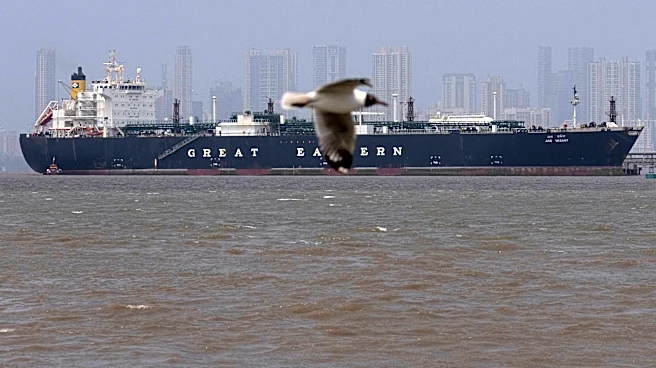
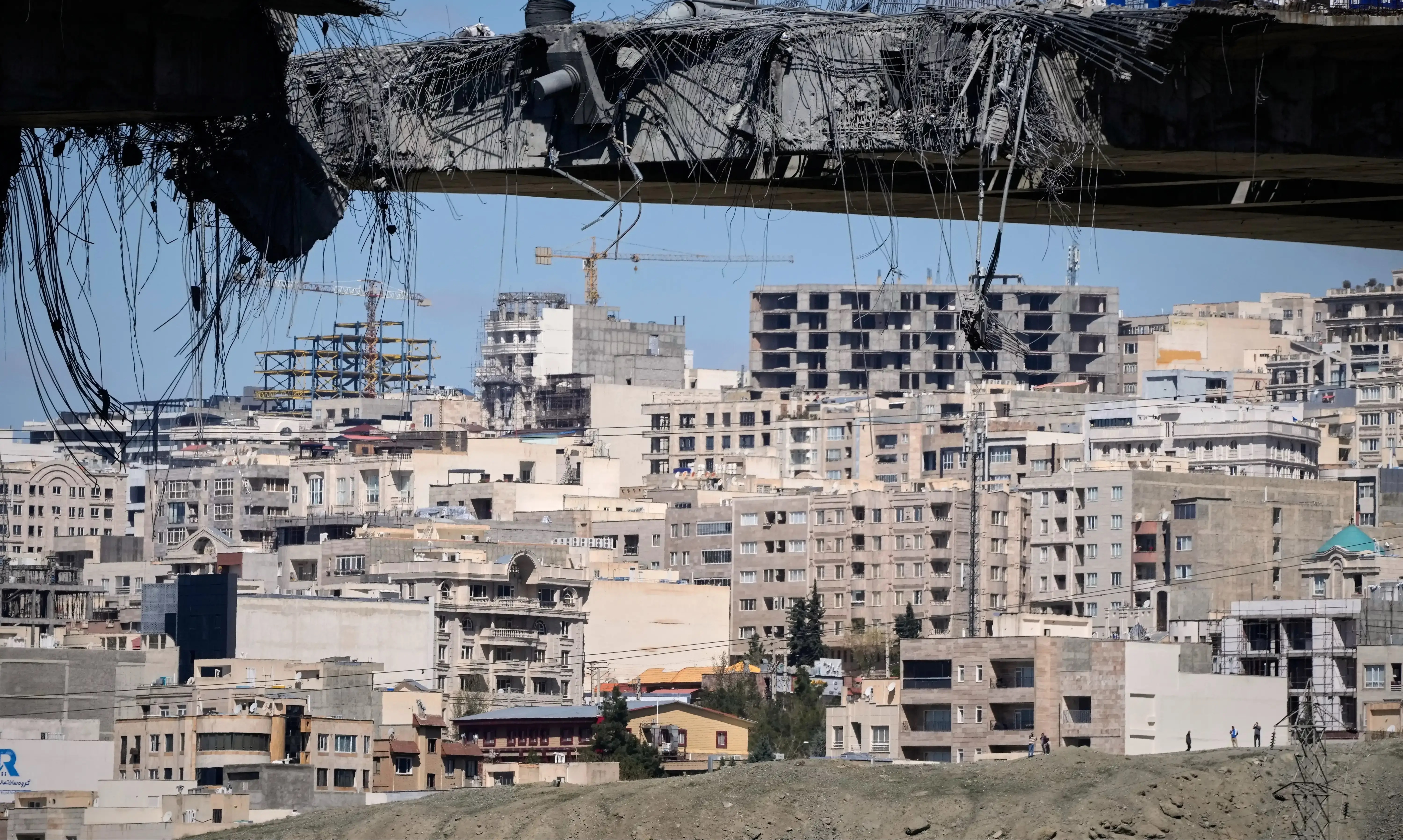
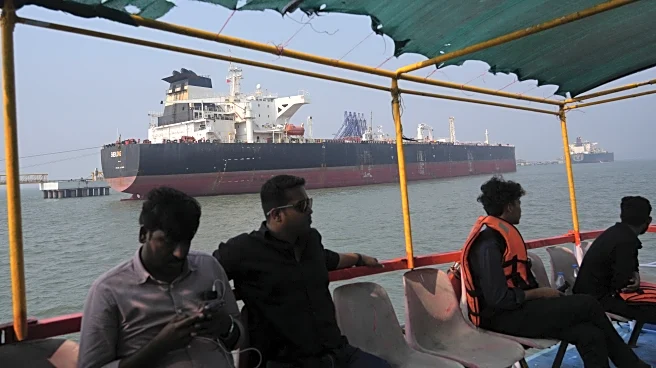
Australian Prime Minister Anthony Albanese has warned that the economic impacts of the ongoing US-Israeli conflict with Iran will be felt in Australia for months. The conflict has led to a blockade of the Strait of Hormuz, causing a surge in petrol prices
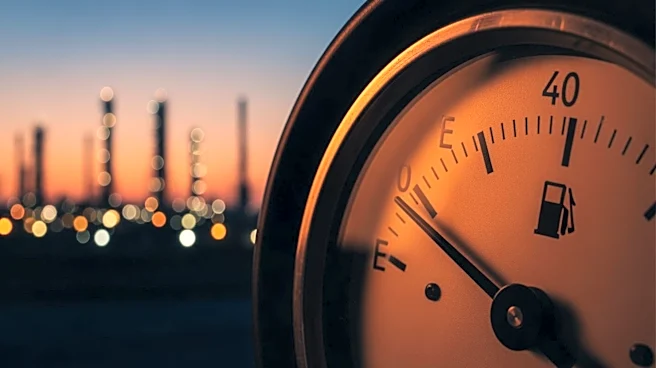
and localized fuel shortages in Australia, which imports about 90% of its fuel. In a national address, Albanese urged citizens to use public transport to alleviate pressure on fuel supplies and avoid stockpiling fuel. The government has also announced measures to reduce fuel costs, including halving the excise on petrol and diesel.
Why It's Important?
The fuel crisis in Australia underscores the global economic repercussions of geopolitical conflicts. The blockade of the Strait of Hormuz, a critical chokepoint for global oil supplies, has led to significant disruptions in energy markets. This situation highlights the vulnerability of countries heavily reliant on fuel imports and the broader economic risks associated with international conflicts. The Australian government's response, including financial relief measures, aims to mitigate the impact on households and businesses, but the prolonged nature of the crisis poses ongoing challenges.
What's Next?
As the conflict continues, Australia may face further economic challenges, including potential inflationary pressures and impacts on consumer spending. The government's measures to ease fuel costs are temporary, and long-term solutions may be needed if the situation persists. Additionally, the crisis may prompt discussions on energy security and the need for diversified energy sources. The international community's response to the conflict and its resolution will be critical in determining the duration and severity of the economic impacts.