






What's Happening?
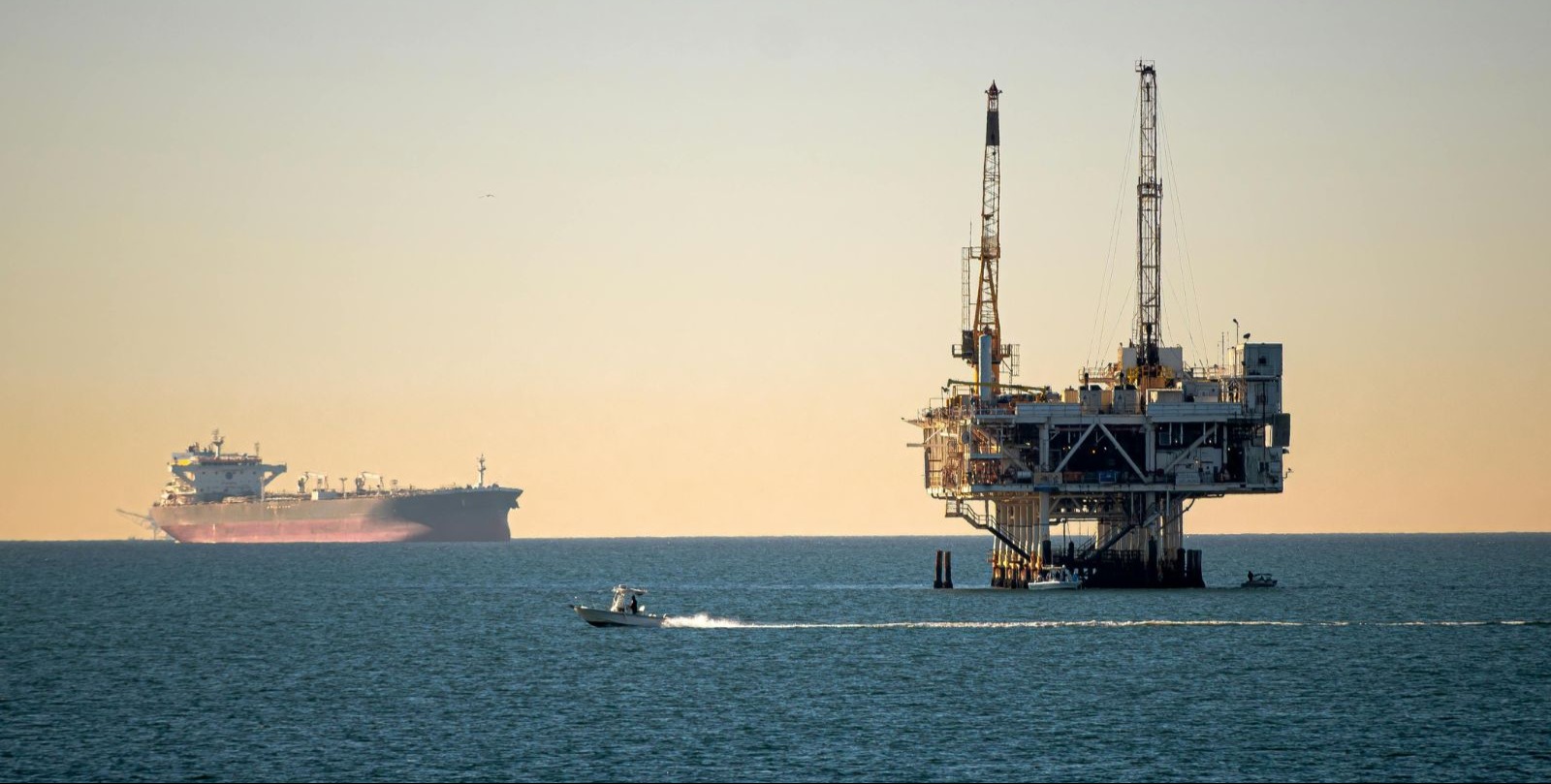
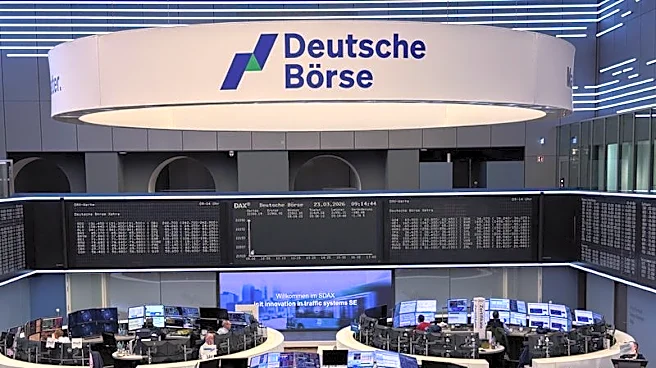
European stock markets have surged in response to the U.S.-Iran ceasefire agreement, which was announced by President Trump. The deal, which is contingent upon Iran unblocking the Strait of Hormuz, has led to early gains in sectors such as construction,
materials, and financial services. Conversely, oil and gas stocks have seen a decline due to the anticipated stabilization of energy prices. The agreement marks a significant step back from escalating tensions, providing temporary relief to global markets and easing concerns over potential disruptions in oil supply.
Why It's Important?
The ceasefire agreement has significant implications for European markets, which are closely tied to global economic conditions and energy prices. The easing of tensions between the U.S. and Iran reduces the risk of supply chain disruptions, particularly in the energy sector, which is crucial for European economies. The positive market response reflects increased investor confidence and the potential for economic stability. This development may also influence policy decisions and diplomatic relations within the region, as stakeholders assess the impact of the agreement on trade and economic growth.
What's Next?
The future of the ceasefire agreement remains uncertain, with potential geopolitical challenges that could affect its longevity. European markets will continue to monitor developments in the Middle East, particularly regarding the Strait of Hormuz and any diplomatic negotiations that may arise. The agreement's short duration means that investors must remain vigilant and prepared for possible fluctuations in market conditions. Additionally, the response from other global powers and their influence on the situation will be critical in determining the long-term impact on European markets.