







What's Happening?
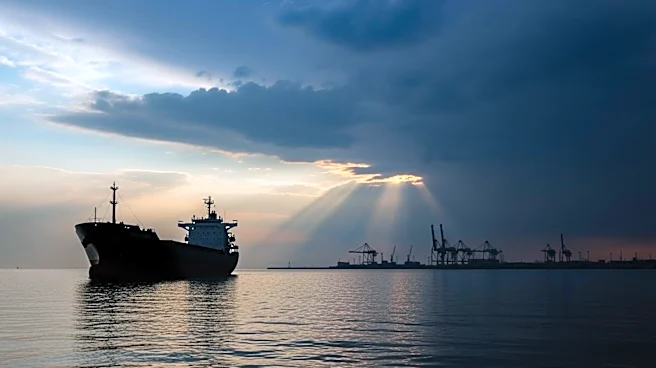
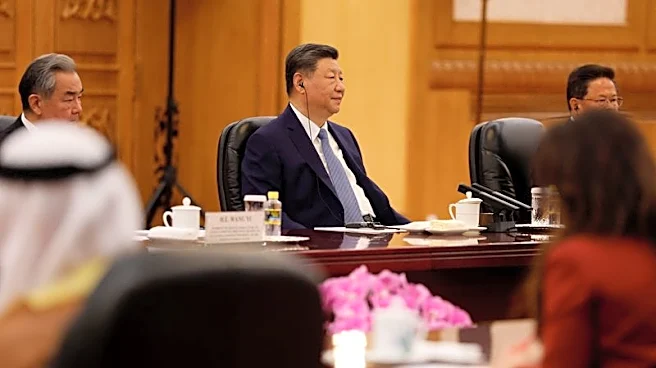
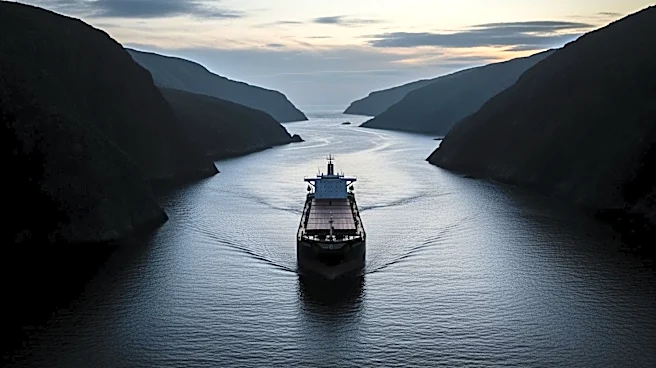
Iran is reportedly considering a proposal to allow ships to pass safely through the Oman side of the Strait of Hormuz as part of ongoing negotiations with the United States. This proposal comes in the wake of significant disruptions to global oil and
gas supplies caused by the conflict in the region. The strait is a vital corridor for about 20% of the world's oil and liquefied natural gas flows. The proposal's success hinges on whether the U.S. is willing to meet Iran's demands, which remain unspecified. The situation remains tense, with many ships and seafarers stranded due to the conflict.
Why It's Important?
The Strait of Hormuz is a critical artery for global energy supplies, and any agreement that ensures safe passage could stabilize international markets and reduce the risk of further conflict. The proposal reflects Iran's strategic use of the strait as a bargaining tool in its negotiations with the U.S. The outcome of these talks could have significant implications for global energy security and the geopolitical landscape in the Middle East. A resolution could also alleviate the economic pressures caused by the disruption of oil and gas supplies.
What's Next?
The next steps involve further negotiations between Iran and the U.S., with the potential for a breakthrough if both sides can agree on terms. The international community will be closely monitoring these developments, as the resolution of this issue could set a precedent for future diplomatic engagements in the region. The U.S. will need to carefully balance its strategic interests with the need to maintain stability in global energy markets.