


What's Happening?
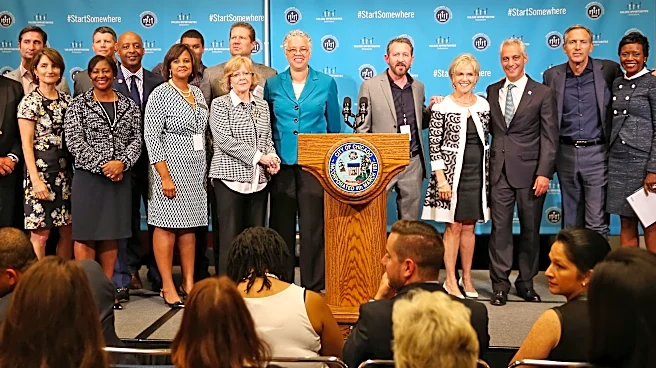
Baltimore Mayor Brandon M. Scott and Baltimore County Executive Katherine A. Klausmeier have signed a Memorandum of Understanding (MOU) to explore the creation of a single, unified water and wastewater system for both jurisdictions. This initiative aims
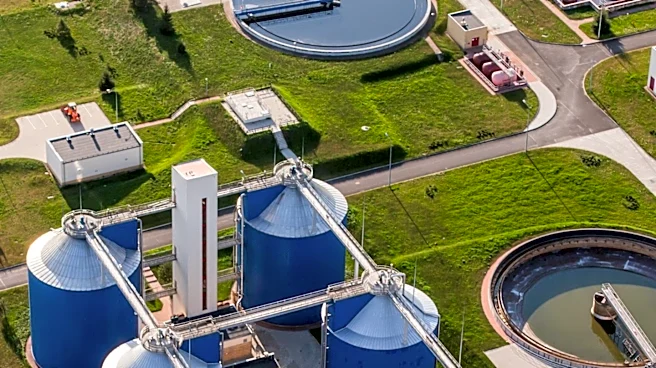
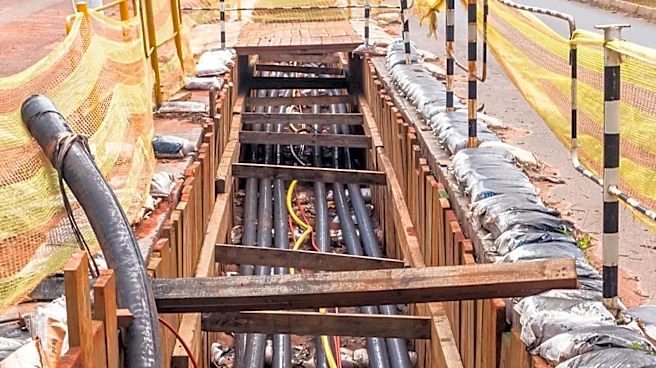
to improve service delivery and enhance the existing water and wastewater infrastructure. While the City and County will retain ownership of their respective assets, the unified utility would be responsible for operating and maintaining these systems. The agreement seeks to standardize processes such as operations, maintenance, billing, customer service, and regulatory compliance. It also plans to evaluate models to limit financial risk and liability for both jurisdictions and establish a governing body with fair representation. This move follows a comprehensive review in 2021 of shared water and wastewater systems, which identified challenges in planning and coordination, and a recommendation from the Baltimore Regional Water Governance Task Force in 2024 to separate water and wastewater services from Baltimore City DPW.
Why It's Important?
This MOU is a significant step towards addressing long-standing issues in the Baltimore region's water and wastewater management. The current system, despite being functionally interconnected, has led to disputes over cost-sharing and maintenance responsibilities due to distinctions in jurisdictional oversight. A unified system is expected to provide more effective service delivery, standardized billing, and improved customer service for approximately 1.8 million residents across Baltimore City and Baltimore County. By consolidating operations, the initiative aims to enhance coordination, strengthen the regional water system, and ensure a more reliable and sustainable water future. This collaboration could serve as a model for other metropolitan areas facing similar challenges in managing shared essential services, demonstrating how inter-jurisdictional cooperation can lead to more efficient and equitable public utility provision.
What's Next?
The City and County will now jointly work to develop a detailed plan for the single unified water and wastewater system. This will involve structuring the oversight and governing body to ensure fair representation, evaluating methods for unified customer assistance and billing dispute resolution programs, and commissioning models to mitigate financial risks. The separation of water and wastewater services from Baltimore City DPW, which was approved by Baltimore City voters, will occur in conjunction with the establishment of this unified utility. The process will likely involve further discussions, public engagement, and legislative actions to implement the proposed changes. The success of this initial MOU will depend on the ability of both jurisdictions to collaboratively navigate the complexities of integrating their systems and addressing the diverse needs of their populations.
Beyond the Headlines
Beyond the immediate operational and financial benefits, the creation of a unified water and wastewater system in the Baltimore region has deeper implications for regional governance and public trust. It signifies a shift towards a more integrated approach to essential services, recognizing that critical infrastructure often transcends municipal boundaries. This collaboration could foster greater accountability and transparency in utility management, as a single entity would be responsible for the entire system. Furthermore, by addressing issues like billing disputes and service inconsistencies, the initiative aims to rebuild public confidence in government's ability to deliver reliable and equitable services. The long-term success of this model could influence future regional planning efforts, encouraging other jurisdictions to explore similar cooperative frameworks for shared resources and services.