





What's Happening?
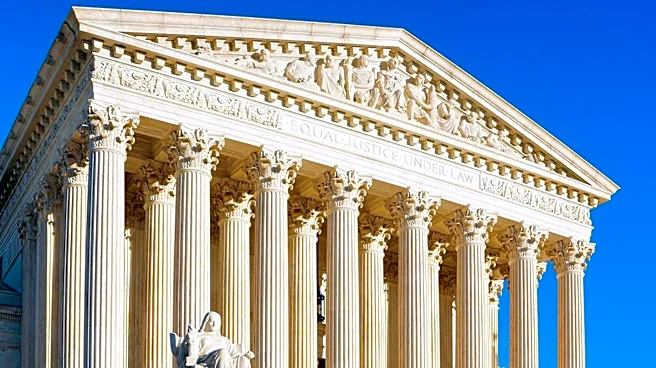
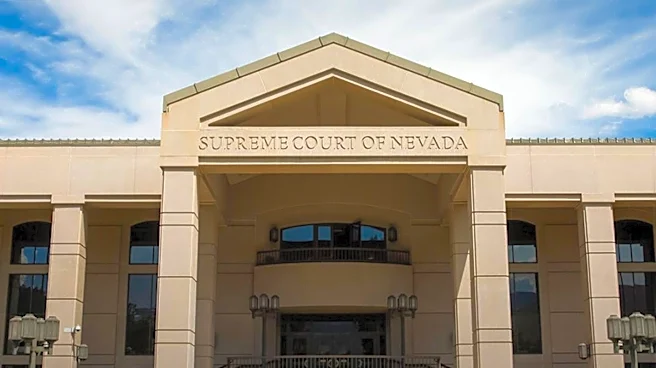
Megyn Kelly, a well-known media personality, has come under fire for her recent comments on immigrants during her podcast, 'The Megyn Kelly Show.' Following a Supreme Court ruling that allows the Department of Homeland Security to end temporary protected
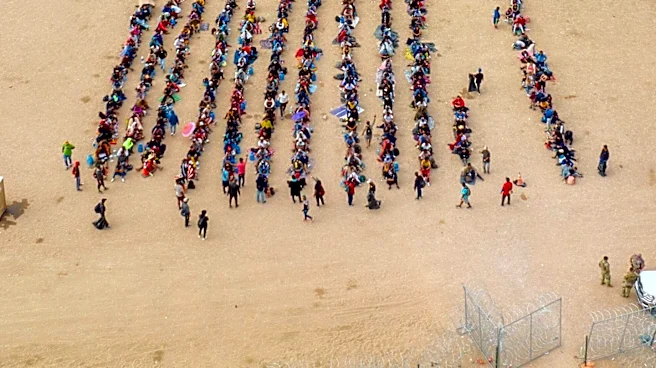
status for Haiti and Syria, Kelly expressed strong anti-immigrant sentiments. She stated, 'We don’t want you,' and urged immigrants to 'go back to (expletive) Haiti.' Temporary protected status was established in 1990 to offer sanctuary to individuals fleeing war, natural disasters, and other extraordinary conditions. The recent Supreme Court decision could potentially lead to the deportation of 350,000 people back to Haiti. Kelly's remarks have been criticized for their insensitivity and historical inaccuracy, as they overlook the significant contributions of immigrants to American society.
Why It's Important?
Kelly's comments highlight ongoing tensions and debates surrounding immigration policy in the United States. The Supreme Court's decision and Kelly's subsequent remarks could influence public opinion and policy discussions on immigration. The potential deportation of thousands of individuals could have significant social and economic impacts, particularly in communities with large immigrant populations. Furthermore, Kelly's rhetoric underscores the broader cultural and political divides in the U.S., where immigration remains a contentious issue. Her comments have sparked discussions about the role of media figures in shaping public discourse and the responsibility they hold in promoting informed and respectful dialogue.
What's Next?
The Supreme Court's ruling may lead to increased advocacy and legal challenges from immigrant rights groups seeking to protect those affected by the decision. Political leaders and policymakers may also face pressure to address the implications of the ruling and consider legislative solutions to provide relief for those at risk of deportation. Public reactions to Kelly's comments could further polarize opinions on immigration, potentially influencing upcoming elections and policy debates. The situation may also prompt media outlets and personalities to reflect on their role in shaping public perceptions and the importance of responsible journalism.
Beyond the Headlines
Kelly's comments raise questions about the ethical responsibilities of media figures and the impact of their rhetoric on public discourse. The backlash against her remarks highlights the importance of acknowledging the diverse contributions of immigrants to American society and the need for inclusive narratives that reflect the country's multicultural heritage. The controversy also underscores the potential for media platforms to either bridge or widen cultural and political divides, emphasizing the need for thoughtful and informed discussions on complex issues like immigration.