



What's Happening?
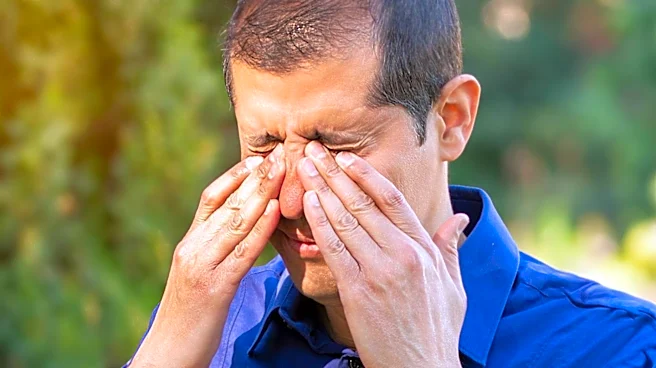
Many individuals are experiencing unusually severe allergy symptoms, a phenomenon attributed to a confluence of environmental factors. High pollen counts, rapid weather shifts, increased pollution, and persistent indoor triggers are collectively exacerbating
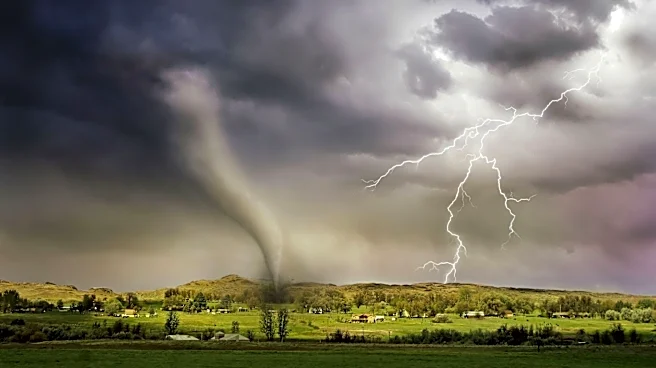
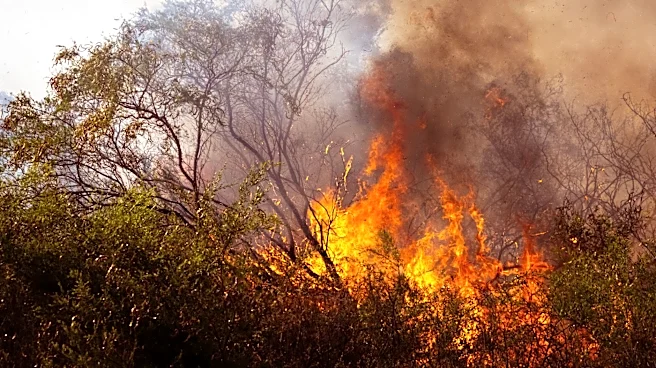
allergic reactions. Pollen levels, particularly from trees in spring, grasses in late spring and summer, and weeds like ragweed in late summer or fall, are significant contributors. Dry, windy conditions facilitate wider pollen dispersal, leading to sudden flares. Weather changes, such as warm days accelerating plant growth and pollen release, and thunderstorms breaking pollen into smaller, more inhalable particles, also play a role. Air quality degradation from pollution, wildfire smoke, and vehicle exhaust irritates nasal and airway linings, making individuals more susceptible to allergens. Indoor allergens like dust mites, mold, and pet dander further compound the issue, leading to year-round or intensified symptoms, especially at night or in the morning. The combination of these factors creates a higher total burden of triggers, resulting in more persistent and severe allergic responses.
Why It's Important?
The widespread increase in allergy severity has significant implications for public health and daily life across the U.S. Individuals are experiencing discomfort, disrupted sleep, and reduced concentration, which can impact productivity at work and school. The overlap of allergy symptoms with other conditions like infections or asthma can lead to diagnostic challenges and potentially delay appropriate treatment. Healthcare systems may face increased demand for allergy-related consultations and treatments, including over-the-counter medications, nasal sprays, and in some cases, immunotherapy. The economic impact could include lost workdays and increased healthcare expenditures. Furthermore, the ongoing presence of environmental irritants like pollution suggests a broader public health concern beyond allergies, indicating a need for improved air quality and environmental management strategies. Understanding these contributing factors is crucial for developing effective public health advisories and individual management plans to mitigate the impact of severe allergies on the population.
What's Next?
Individuals experiencing severe or persistent allergy symptoms are advised to seek medical consultation to confirm the diagnosis and develop an effective treatment plan. Doctors will typically conduct a thorough history and physical examination, and may recommend allergy testing, such as skin-prick tests or blood tests, to identify specific allergens. Treatment options range from over-the-counter antihistamines and nasal steroid sprays to prescription medications and, for chronic cases, allergy immunotherapy. Proactive measures, such as monitoring local pollen and air quality reports, keeping windows closed on high-pollen days, and improving indoor air quality, are recommended. Further research into the long-term effects of combined environmental stressors on allergic diseases may lead to new preventive strategies and treatments. Public health initiatives focusing on air quality improvement and climate change mitigation could also play a role in reducing the prevalence and severity of allergy symptoms in the future.
Beyond the Headlines
The escalating severity of allergy symptoms underscores a deeper connection between environmental health and individual well-being. The interplay of climate change, urbanization, and industrial activity contributes to altered pollen seasons, increased air pollution, and changes in weather patterns, all of which directly influence allergen exposure. This situation highlights the concept of 'total allergen burden,' where multiple triggers combine to overwhelm the immune system, even in individuals who previously experienced mild allergies. The long-term implications could include a rise in chronic respiratory conditions and a greater need for specialized allergy care. It also brings to light the ethical considerations surrounding environmental policies and their impact on public health, particularly for vulnerable populations. Addressing these issues requires a multi-faceted approach that integrates environmental protection, public health education, and advanced medical interventions to adapt to a changing allergenic landscape.