
What's Happening?
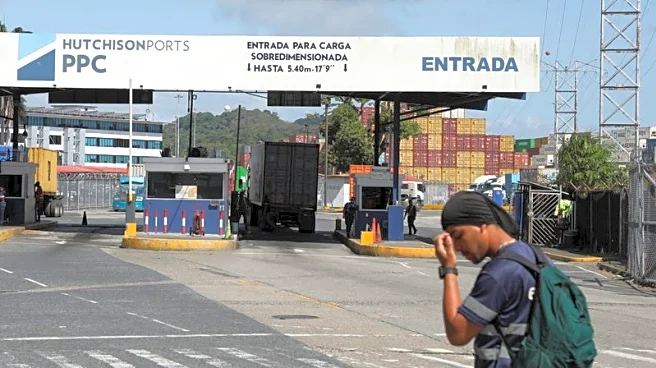
Panama's Supreme Court has invalidated the contract of a Chinese-linked company, CK Hutchison, which operated key ports at the Panama Canal. This decision is seen as a significant victory for the Trump
administration, which has been vocal about reducing Chinese influence over the strategic waterway. The court ruled that the long-standing port concession held by CK Hutchison was unconstitutional, affecting the ports of Balboa and Cristóbal. These ports are strategically important as they sit at the entrances to the canal. The ruling also impacts a proposed $23 billion sale of CK Hutchison's global port business, which included a Western-led consortium.
Why It's Important?
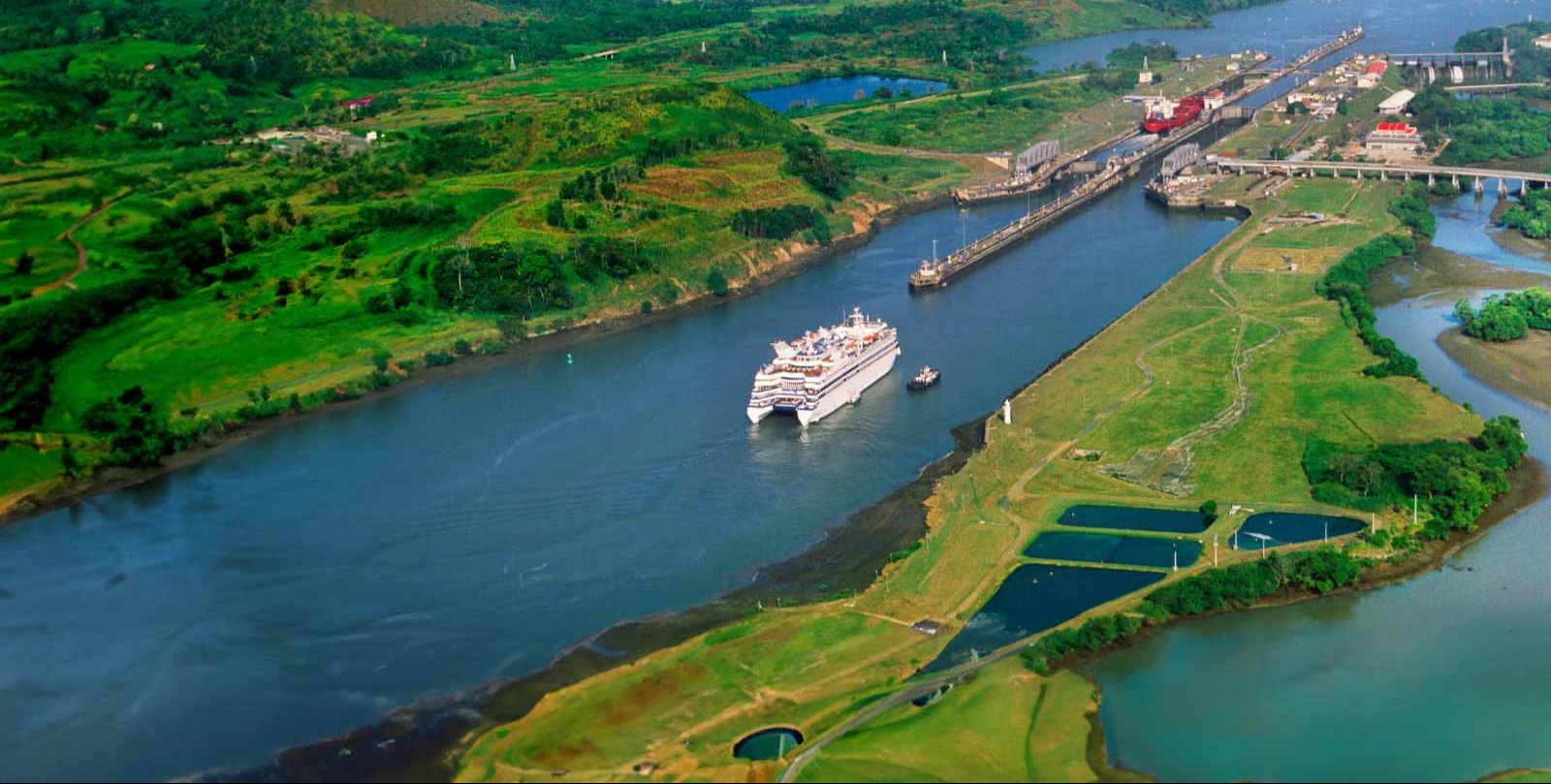
The ruling is a major development in the geopolitical landscape, as it reduces Chinese influence over a critical global shipping route. The Panama Canal is a vital waterway for international trade, and control over its ports is a significant strategic asset. The decision aligns with President Trump's national security strategy, which emphasizes American dominance in the Western Hemisphere. By curbing Chinese control, the U.S. aims to secure its strategic interests and maintain influence over the canal, which is crucial for global shipping and trade.
What's Next?
The court's decision reopens the question of who will control the canal's entry ports and under what terms. This could lead to new negotiations and potential involvement of U.S. or Western companies in operating these strategic assets. The ruling may also prompt further scrutiny of Chinese investments in critical infrastructure globally, as countries reassess the implications of foreign control over strategic assets. The Trump administration is likely to continue its efforts to limit Chinese influence in the region, potentially leading to more diplomatic and economic actions.