


What's Happening?
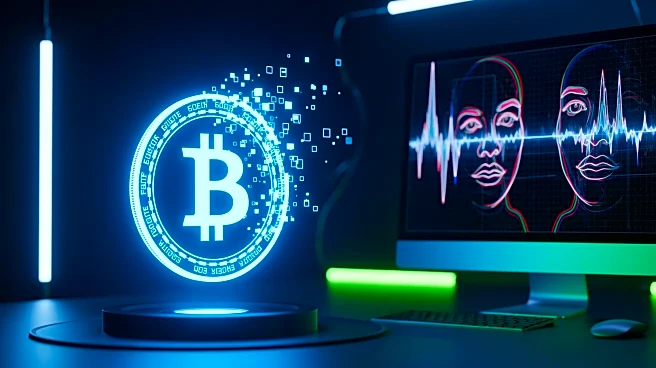
Recent research from Google Cloud's Mandiant has revealed that North Korean hackers, identified as UNC1069, are employing deepfake technology in their cyber campaigns targeting cryptocurrency firms. The hackers use a combination of social engineering
tactics, including hijacked Telegram accounts and fake Zoom meetings, to deceive employees in the cryptocurrency and decentralized finance sectors. During these fake meetings, the hackers impersonate known industry contacts using AI-generated videos to gain the trust of their targets. Once trust is established, the hackers instruct victims to execute malicious commands on macOS systems, facilitating the theft of cryptocurrency.
Why It's Important?
The use of deepfake technology in cyberattacks represents a significant evolution in the tactics employed by hackers, highlighting the increasing sophistication of cyber threats. This development poses a substantial risk to the cryptocurrency industry, which is already vulnerable to various forms of cybercrime. The ability of hackers to convincingly impersonate trusted contacts using AI-generated videos could lead to more successful breaches and financial losses. This situation underscores the need for enhanced cybersecurity measures and awareness within the industry to protect against such advanced threats.
What's Next?
As the threat of deepfake-enabled cyberattacks grows, companies in the cryptocurrency sector may need to invest in more robust security protocols and employee training to recognize and respond to these sophisticated tactics. Additionally, there may be increased pressure on technology companies and regulators to develop and implement solutions to detect and prevent the misuse of AI-generated content in cybercrime. The ongoing evolution of cyber threats will likely prompt further research and collaboration between cybersecurity experts and industry stakeholders to address these challenges.