


What's Happening?
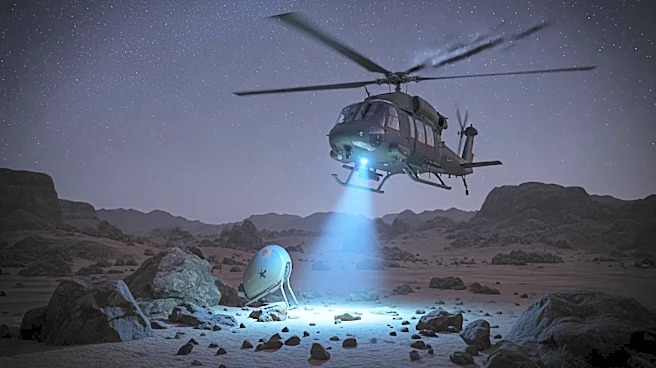
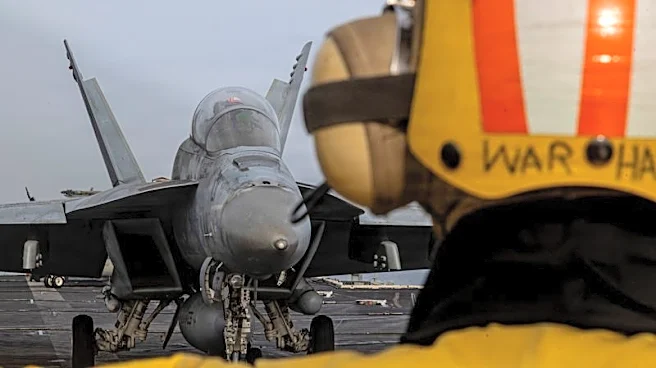
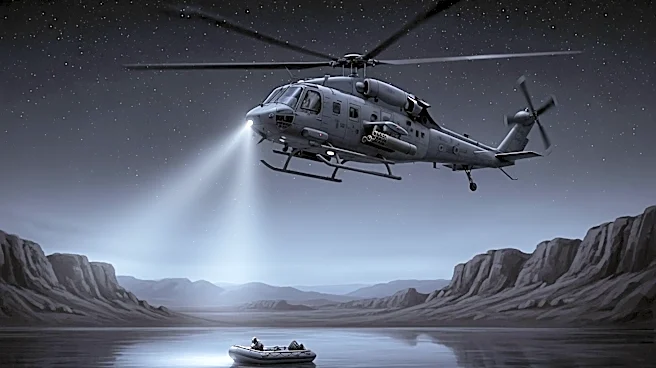
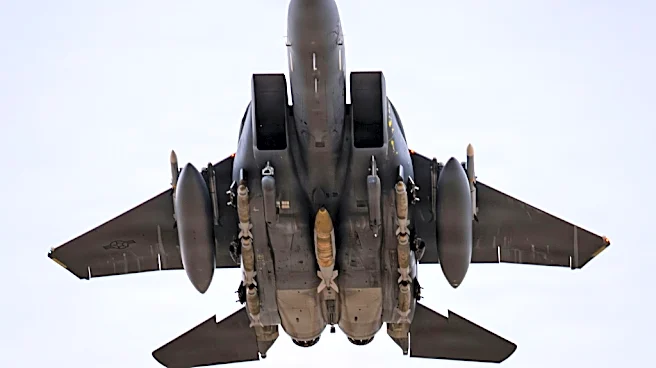
A U.S. Air Force officer was successfully rescued in Iran following a two-day search operation after their fighter jet was downed. The mission involved special operations forces and was conducted in a remote area of Iran. The rescue operation was part
of a broader military engagement in the region, with President Trump issuing threats to escalate military actions unless Iran reopens the Strait of Hormuz. The situation has heightened tensions between the U.S. and Iran, with both sides engaging in military actions. The rescue operation was praised by President Trump as a demonstration of military prowess and commitment to not leaving personnel behind.
Why It's Important?
This event underscores the escalating military tensions between the U.S. and Iran, which have significant implications for regional stability and global oil markets. The Strait of Hormuz is a critical chokepoint for global oil shipments, and its closure could have severe economic repercussions. The successful rescue operation highlights the capabilities of U.S. special forces and the military's commitment to personnel recovery. However, the ongoing conflict raises concerns about potential broader military engagements and their impact on international relations and economic stability.
What's Next?
The U.S. has set a deadline for Iran to reopen the Strait of Hormuz, with President Trump threatening further military action if the ultimatum is not met. This could lead to increased military operations in the region, potentially involving air and naval campaigns. The situation may also prompt diplomatic efforts to de-escalate tensions and find a resolution to the conflict. The international community will likely monitor developments closely, given the potential impact on global oil supplies and regional security.
Beyond the Headlines
The conflict raises ethical and legal questions about the use of military force and the potential for civilian casualties. The situation also highlights the complexities of U.S.-Iran relations and the challenges of balancing military objectives with diplomatic efforts. The involvement of U.S. forces in Iran could have long-term implications for U.S. foreign policy and its approach to regional conflicts.