










What's Happening?
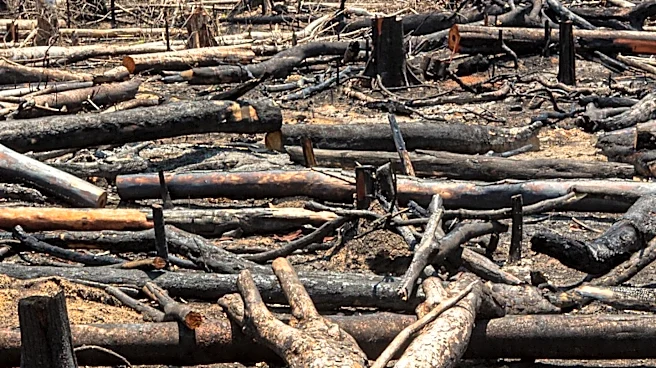
The Trump administration has finalized a rollback of the Endangered Species Act (ESA), changing the definition of 'harm' to exclude habitat destruction unless it is intentional. This move allows developers to modify habitats without permits, potentially
facilitating construction and mining activities. The U.S. Fish and Wildlife Service justified the change by citing the need to reduce regulatory burdens on businesses. Environmental groups are expected to challenge this decision in court, arguing that habitat loss is a primary cause of species endangerment.
Why It's Important?
This policy shift could have significant implications for conservation efforts in the U.S., potentially accelerating habitat loss and threatening endangered species. While it may reduce costs and regulatory hurdles for businesses, it raises concerns about the long-term sustainability of ecosystems. The decision reflects broader tensions between economic development and environmental protection, with potential legal battles likely to shape the future of U.S. environmental policy.
What's Next?
Environmental groups are preparing to challenge the rollback in court, which could lead to prolonged legal disputes. The outcome of these challenges will be crucial in determining the balance between development and conservation in the U.S. The decision may also influence future administrations' approaches to environmental regulation, setting a precedent for how endangered species are protected.