




What's Happening?
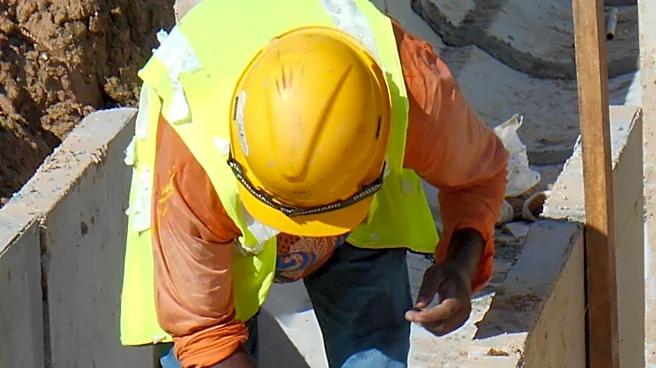
Construction has recommenced at Valor Park in Spanish Fort, Alabama, following a period of delay caused by significant drainage problems. The park, which broke ground in February, was initially slated to open last month. However, city inspectors identified
that improper grading was leading to the pooling of rainwater and high tide water on the site. Spanish Fort Mayor Brad Bass confirmed that these issues were caught during routine inspections, preventing potential long-term problems. To rectify the situation, some sidewalks on the south side of the two-and-a-half-acre property were removed to allow for regrading and proper water drainage. The resolution involved multiple meetings between the engineering design firm, the contractor, and city officials to determine the cause and implement a fix. The project, valued at over three million dollars, is being funded by a GOMESA grant, which comprises money paid to the state from federal offshore oil and gas leases. Contingency funds built into the project are covering the costs of these repairs, ensuring that no local tax dollars are being used for the fix. City leaders are now optimistic that the park will be able to open to the public sometime next month.
Why It's Important?
The resumption of Valor Park's construction is important for the community of Spanish Fort, as it signifies progress toward the completion of a significant public amenity. The initial drainage issues, if left unaddressed, could have led to persistent waterlogging, structural damage, and an unusable park, ultimately wasting public funds and diminishing community benefit. The proactive identification and resolution of these issues by city inspectors and officials highlight the importance of diligent oversight in public works projects. Furthermore, the funding mechanism through a GOMESA grant demonstrates how federal offshore oil and gas lease revenues can be reinvested into local community development and infrastructure, providing a non-taxpayer-funded avenue for significant projects. The successful resolution without using local tax dollars is a positive outcome for Spanish Fort residents, ensuring that the project remains financially sound despite unforeseen construction challenges. This case also serves as a reminder of the complexities inherent in large-scale construction and the necessity of robust planning and contingency measures.
What's Next?
With construction now back on track, the immediate next step is the completion of the remaining work at Valor Park. City leaders are hopeful for an opening sometime next month, indicating a relatively swift turnaround following the drainage repairs. This will involve finishing the regrading, reinstalling any necessary infrastructure, and ensuring all safety and accessibility standards are met. Following the opening, the community will gain access to a new public space, which could host various events and activities, enhancing local quality of life. The successful completion of this project could also influence future public works initiatives in Spanish Fort, potentially reinforcing the importance of thorough initial assessments and robust contingency planning. The experience gained from addressing these drainage issues may also inform best practices for similar projects in coastal or low-lying areas, particularly concerning water management and site preparation.
Beyond the Headlines
The Valor Park situation subtly highlights broader implications regarding environmental considerations in urban development, particularly in coastal regions. The pooling of rainwater and high tide water underscores the increasing challenges posed by changing weather patterns and sea-level fluctuations, even in seemingly straightforward construction projects. This incident could prompt a re-evaluation of design and engineering standards for public spaces in vulnerable areas, emphasizing resilient infrastructure that can withstand environmental pressures. The reliance on GOMESA grant funding also points to the intricate relationship between natural resource extraction and local community development, where revenues from offshore activities are channeled back into public amenities. This funding model raises questions about the long-term sustainability of such projects if these revenue streams fluctuate. Moreover, the collaborative effort between city officials, engineers, and contractors to resolve the issue without additional taxpayer burden sets a precedent for accountability and efficient problem-solving in public-private partnerships, fostering trust in local governance.