






What's Happening?
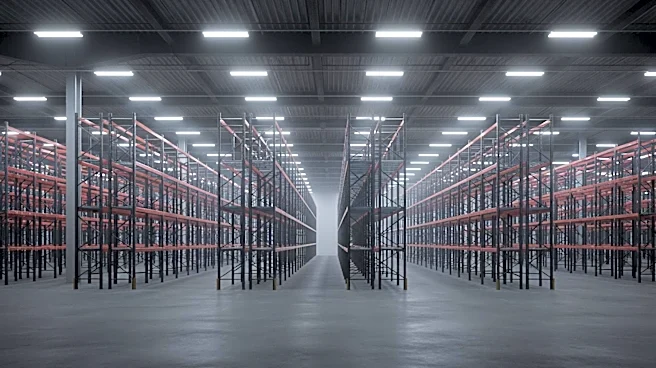
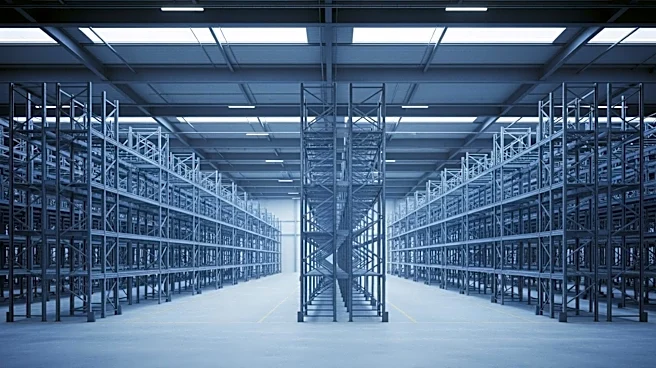
The Department of Homeland Security (DHS) has decided to cancel its plans to convert a warehouse in Social Circle, Georgia, into a large-scale immigration detention center. This decision comes after significant local opposition and concerns about the
impact on the small town's infrastructure. The facility was intended to house up to 10,000 detainees, nearly doubling the town's population. Local officials, including Congressman Mike Collins, were informed of the cancellation, which is part of a broader move by DHS to scrap similar plans at seven sites nationwide. The original purchase of the warehouse for $128.5 million was met with resistance from the community, which feared the strain on local resources. The decision has been praised by local leaders and Georgia's U.S. senators, Jon Ossoff and Raphael Warnock, who opposed the project.
Why It's Important?
The cancellation of the detention center plans in Social Circle highlights the power of local opposition in influencing federal decisions. The project faced criticism for its potential to overwhelm local infrastructure and alter the community's character. This development is significant as it reflects a shift in DHS's approach to immigration detention under the Trump administration, which had been expanding detention capacity. The decision also underscores the challenges faced by federal agencies in implementing large-scale projects in small communities, particularly when there is strong local resistance. The move may set a precedent for other communities facing similar federal projects, emphasizing the importance of community engagement and advocacy.
What's Next?
With the cancellation of the detention center, the future of the warehouse property remains uncertain. Local officials hope it will return to private ownership to contribute to the local tax base and economic vitality. DHS's broader strategy for immigration detention is also in question, as the agency re-evaluates its approach under new leadership. The decision may prompt further discussions on the balance between federal initiatives and local community interests, as well as the role of public pressure in shaping government policies.