

What's Happening?
NHS Cheshire and Merseyside is encouraging residents to adopt self-care practices to protect their health during the winter months, coinciding with Self Care Week (November 16-23). Dr. Fiona Lemmens, GP and Executive Clinical Director NHS Cheshire and Merseyside,
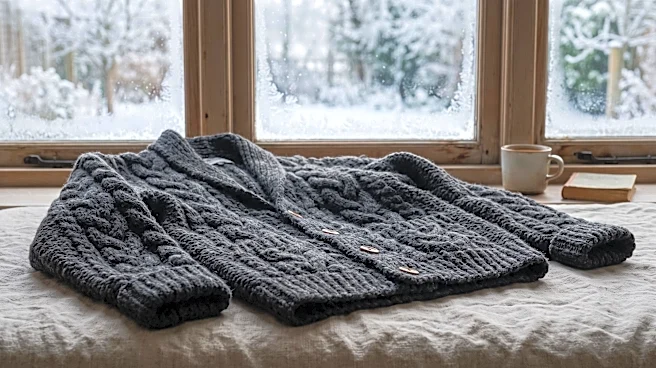
emphasized that cold weather significantly impacts health, particularly for older individuals, young children, and those with long-term conditions. Key recommendations include getting vaccinated for flu, COVID-19, RSV, and pneumococcal disease, maintaining warmth by heating rooms to at least 18°C and wearing layers, staying active, and eating well. The public is also advised to order repeat prescriptions in advance, especially before weekends and holidays, and to keep a well-stocked medicine cabinet for minor illnesses. Additionally, checking on vulnerable relatives and neighbors is encouraged. For medical advice, local pharmacies are recommended for common illnesses, while NHS 111 online or by phone is available for urgent but non-life-threatening concerns.
Why It's Important?
These public health recommendations are crucial for mitigating the strain on healthcare services during the busiest time of the year for the NHS. By promoting self-care and preventive measures, the initiative aims to reduce the number of people becoming seriously unwell and requiring hospital care. This proactive approach helps protect vulnerable populations who are more susceptible to severe health complications from cold weather and seasonal illnesses. The emphasis on vaccinations is vital for community-wide protection, reducing transmission rates and the overall burden of infectious diseases. Furthermore, encouraging timely prescription refills and proper home management of minor ailments can prevent unnecessary doctor visits and emergency room admissions, ensuring that critical resources are available for those who need them most.
What's Next?
As winter progresses, NHS Cheshire and Merseyside will likely continue to monitor public health trends, vaccination uptake, and the impact of cold weather on local health services. Ongoing public awareness campaigns may be launched to reinforce these self-care messages and adapt to emerging health challenges. Healthcare providers will continue to offer vaccinations to eligible individuals, and pharmacies will remain a key point of contact for minor health concerns. The effectiveness of these measures will be assessed by tracking hospital admissions for winter-related illnesses and the overall health of the community. Public cooperation in following these guidelines will be essential for a healthier winter season and for alleviating pressure on the healthcare system.
Beyond the Headlines
The initiative highlights a broader shift towards empowering individuals with the knowledge and tools for self-management of health, reducing reliance on acute care services. This approach not only benefits the healthcare system but also fosters greater health literacy and personal responsibility within the community. The focus on vulnerable groups underscores the persistent health inequalities that can be exacerbated by environmental factors like cold weather. By encouraging community support networks, such as checking on elderly neighbors, the campaign also promotes social cohesion and collective well-being. This integrated strategy, combining individual action with community support and accessible primary care, is a model for sustainable public health management in the face of seasonal challenges.